Home / Guides

Day tours in Egypt

Egypt day trips by historical era

From the pyramids to the High Dam: the day trips that cover each period of Egypt's history.

Written by Mahmoud Barakat · Reviewed by Marcela · Checked October 13, 2026 · 5 min read

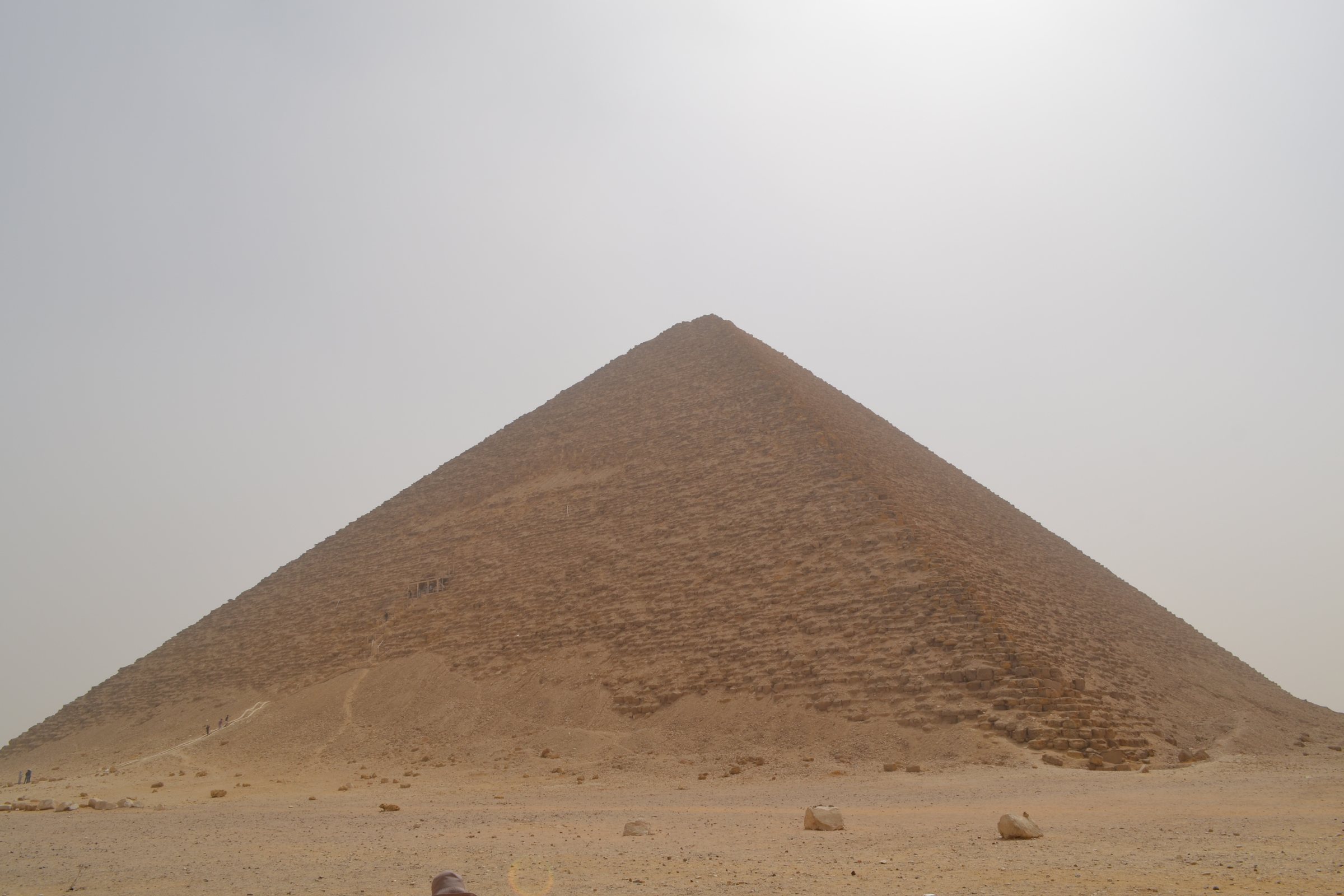
The Red Pyramid at Dahshur
In short
  • Old Kingdom: the pyramids of Khufu, Khafre and Menkaure at Giza, built over 4,500 years ago, with Saqqara and Memphis on the same Cairo day.
  • New Kingdom: the Valley of the Kings, burial ground of New Kingdom pharaohs, where Tutankhamun's tomb was found in 1922.
  • Ptolemaic: Edfu's Temple of Horus, built between 237 and 57 BC, and Philae, a temple of the goddess Isis.
  • Roman: Alexandria's Catacombs of Kom El Shoqafa, underground tombs from the 2nd century AD.
  • Modern Egypt: the El Alamein battles of 1942 and the Aswan High Dam, built in the 1960s.

Egypt's day trips run across about 4,500 years. The Giza pyramids were built in the Old Kingdom, over 4,500 years ago; Luxor holds the tombs of New Kingdom pharaohs and a temple built around 3,400 years ago; Edfu and Philae are Ptolemaic temples; Alexandria's catacombs date from the 2nd century AD; and the Aswan High Dam was built in the 1960s.

The eras at a glance

EraWhat the day trips visitBase
Old KingdomGiza pyramids; Memphis, the Old Kingdom capital; Saqqara on the same tour; the pyramids of DahshurCairo
New Kingdom ThebesValley of the Kings, Deir el-Medina; Karnak and Luxor Temple, in the same UNESCO siteLuxor
PtolemaicEdfu, PhilaeAswan, Luxor
RomanCatacombs of Kom El Shoqafa, the Roman Theater, Pompey's PillarAlexandria
Christian EgyptHanging Church, Church of St. Sergius, Wadi El Natrun monasteries, St. Catherine's MonasteryCairo, Alexandria, Sharm El Sheikh, Dahab
Islamic and medievalThe Citadel and the Mosque of Mohamed Ali, the Mosque-Madrasa of Sultan Hassan, the Al-Azhar Mosque and Al-Muizz Street, Khan El Khalili, the Citadel of QaitbayCairo, Alexandria
Modern EgyptEl Alamein, the Aswan High Dam, the Nubian MuseumAlexandria, Aswan

Old Kingdom: the pyramid fields around Cairo

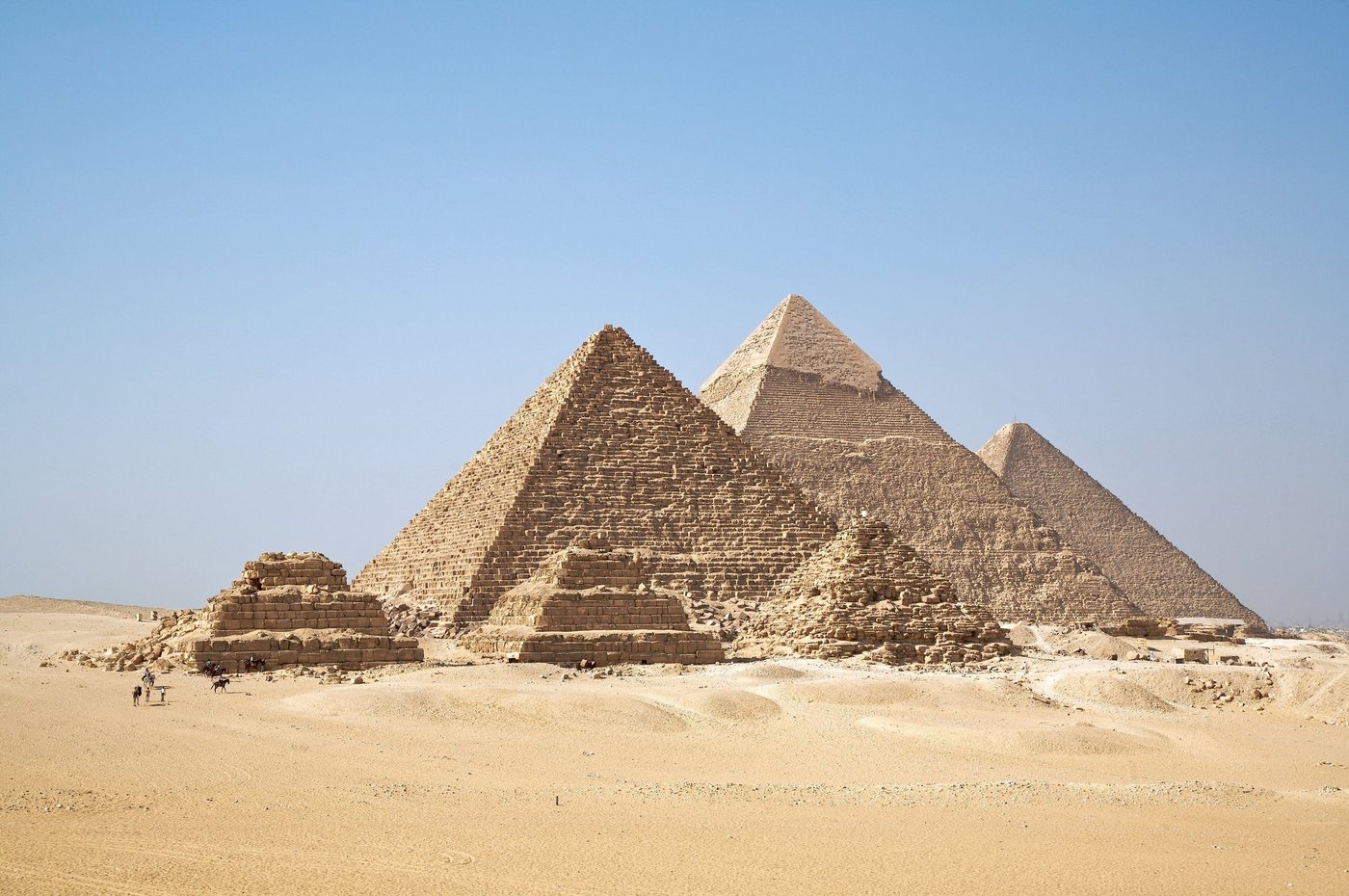
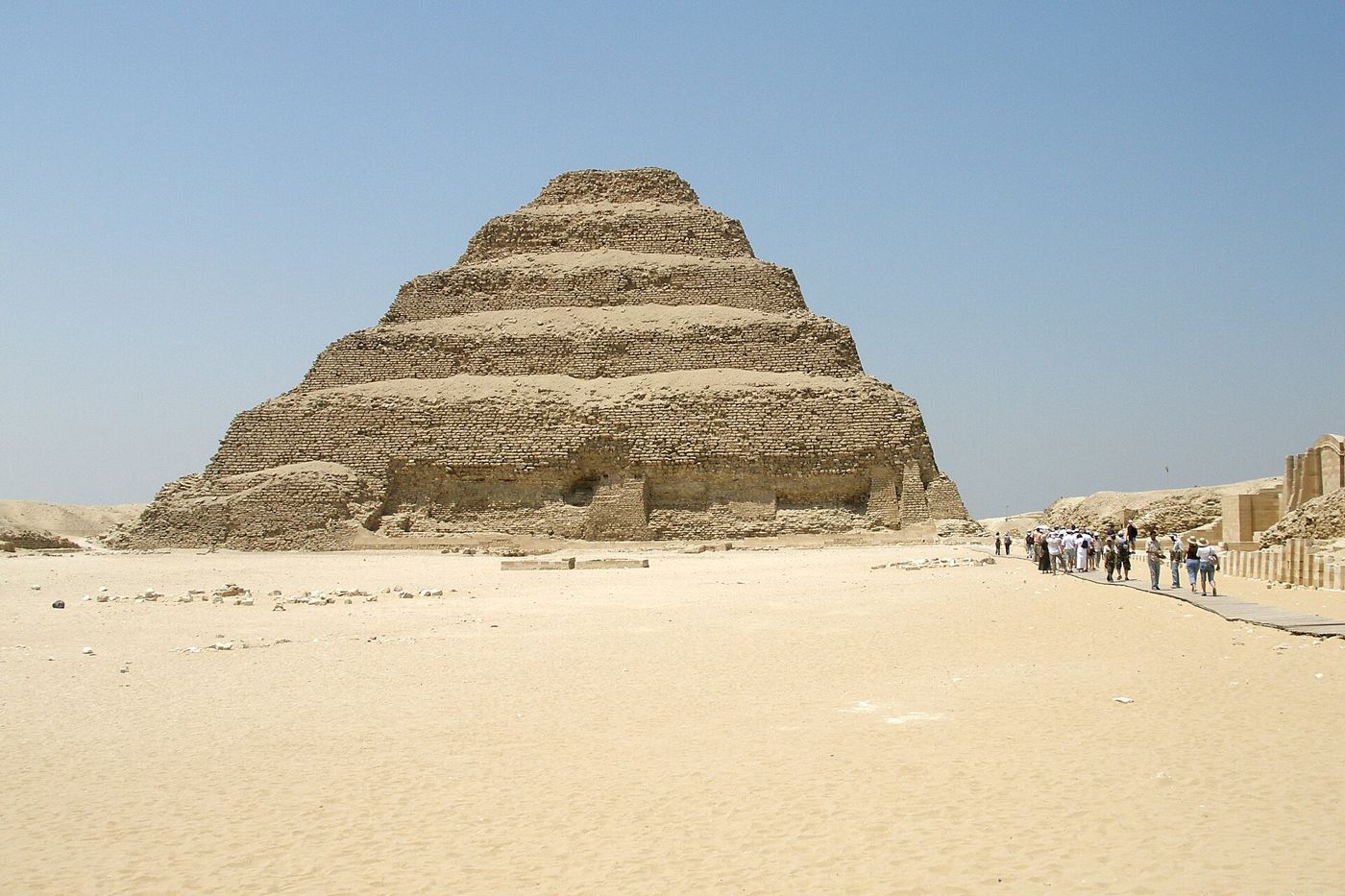
The pyramids of Khufu, Khafre and Menkaure at Giza were built in the Old Kingdom, over 4,500 years ago. Memphis, the first capital of ancient Egypt, was the administrative capital during the Old Kingdom, and UNESCO has listed "Memphis and its Necropolis - the Pyramid Fields from Giza to Dahshur" since 1979. The Pyramids, Memphis and Saqqara tour adds two stops to Giza in one day: the Step Pyramid of King Djoser at Saqqara, built by the architect Imhotep, and the open-air museum at Memphis. Dahshur, the southern part of the cemetery of Memphis, holds pyramids of Old and Middle Kingdom kings; Sneferu, first king of the 4th Dynasty, chose it for his first pyramid. The Saqqara, Dahshur and Memphis tour starts there, at the Red Pyramid and the Bent Pyramid, before Saqqara and Memphis.
New Kingdom Thebes: Luxor

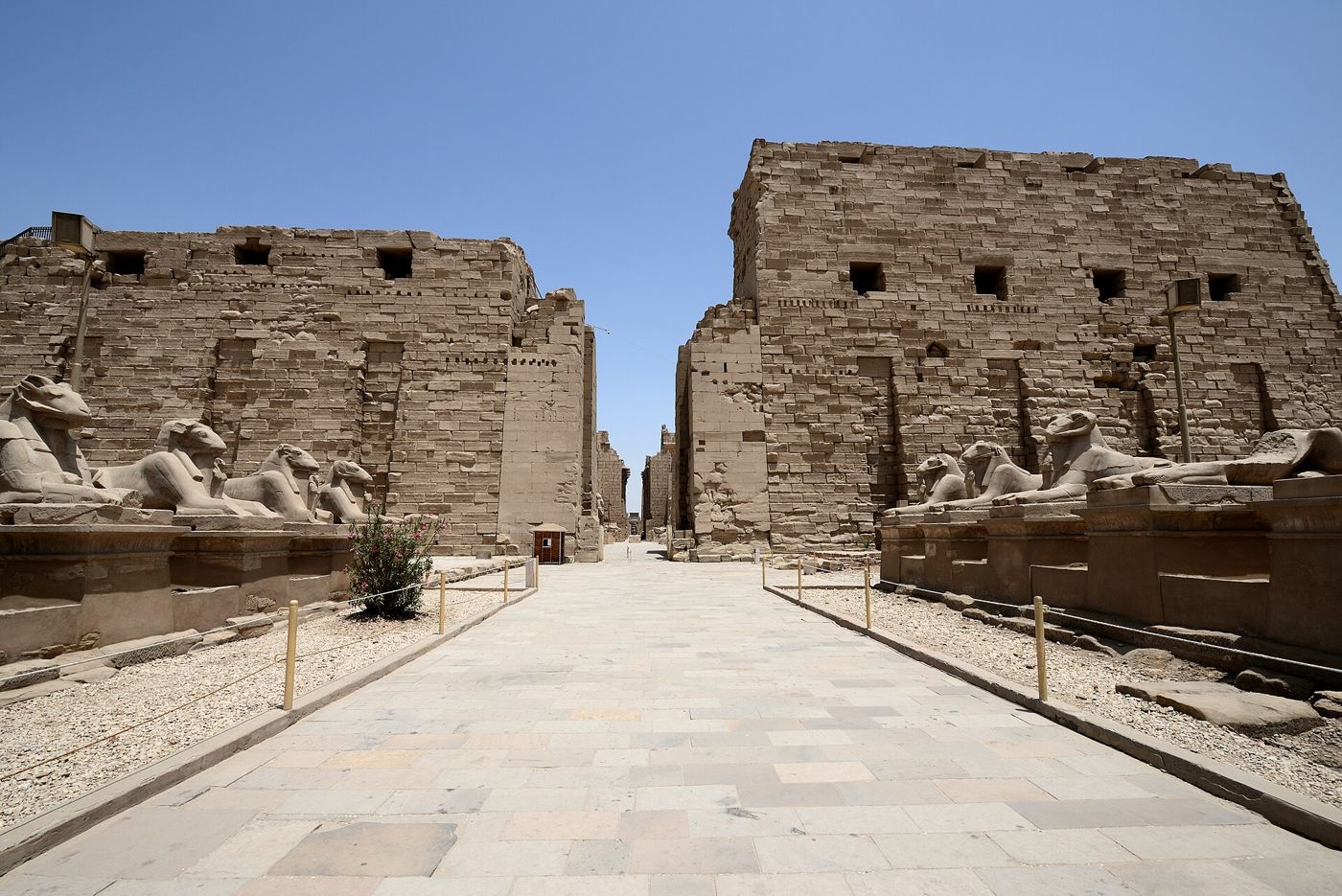
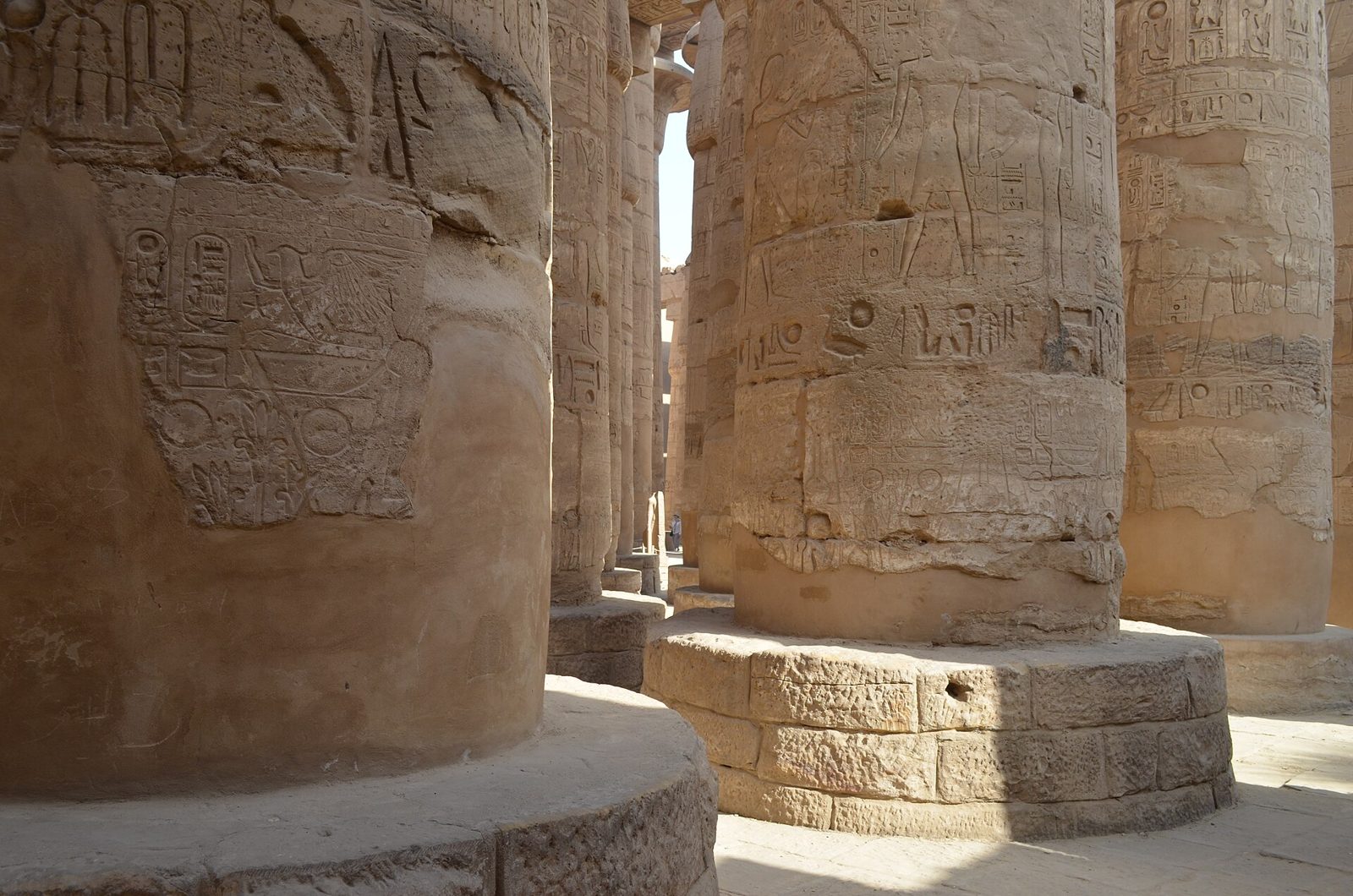
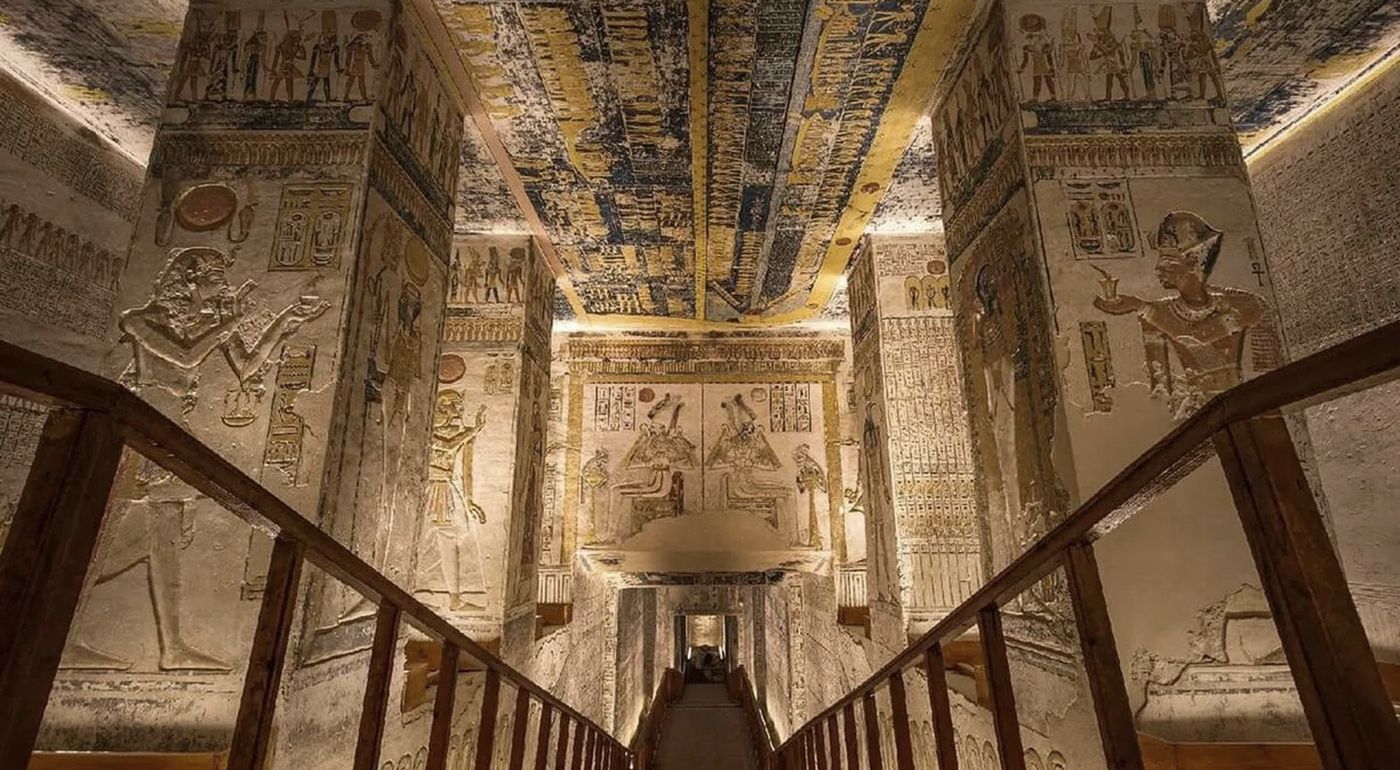
The Valley of the Kings is the burial ground of New Kingdom pharaohs; Tutankhamun's tomb there was found in 1922, and the craftsmen who built and decorated the royal tombs lived at Deir el-Medina. Karnak, Luxor Temple and the Valley of the Kings belong to one UNESCO site, Ancient Thebes with its Necropolis, listed in 1979. Luxor Temple was built by Amenhotep III, around 3,400 years ago, and later expanded by Ramses II; the Colossi of Memnon are two statues of Amenhotep III. The Valley of the Kings and Hatshepsut tour visits three tombs on the standard ticket in a morning.

Ptolemaic temples on the Nile

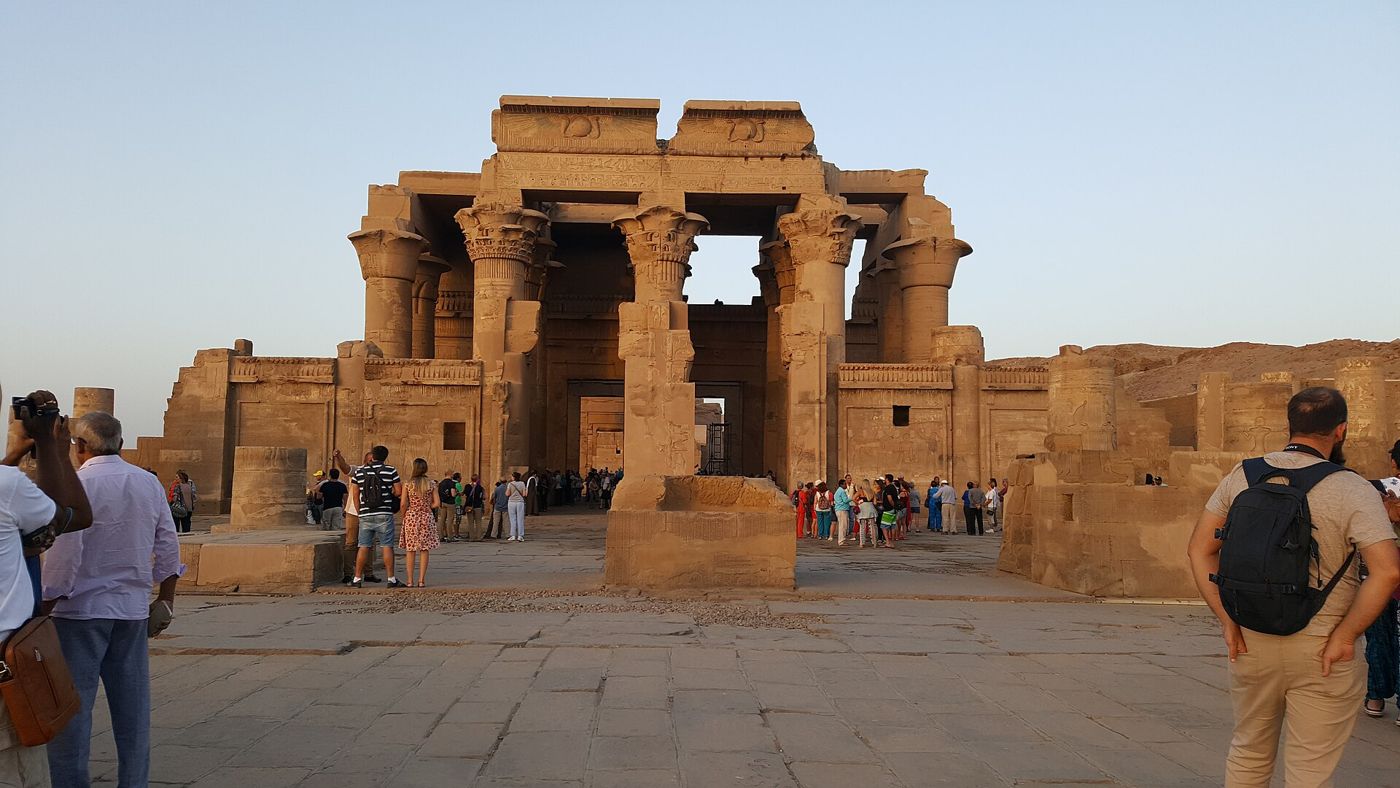
The Temple of Horus at Edfu, the falcon-headed god, was built between 237 and 57 BC, and Philae is a Ptolemaic temple of the goddess Isis, moved to safety in a UNESCO rescue and reached by motorboat; Philae Temple by boat is a visit of about 3 hours from Aswan. Kom Ombo, the double temple of Sobek and Haroeris, is on the same day trip as Edfu, from Aswan or from Luxor.

Roman Alexandria

Alexandria in a day visits the Catacombs of Kom El Shoqafa, underground tombs from the 2nd century AD that mix Egyptian, Greek and Roman styles; the Roman Theater, with marble seating and mosaic floors; and Pompey's Pillar, a Roman column among the ruins of the Serapeum temple complex. The same three sites are on Alexandria in a day from Cairo.

Christian Egypt

In Coptic Cairo, the Hanging Church was built above the Roman fortress of Babylon, and the Church of St. Sergius nearby is believed to be a place where the Holy Family sheltered; both are on the Coptic Cairo half day, with the Ben Ezra Synagogue. From Alexandria, the Wadi El Natrun tour visits three monasteries, among them Deir al-Baramus, considered the oldest surviving monastery of Wadi El Natrun. In Sinai, St. Catherine's Monastery was built under Emperor Justinian I; the Saint Catherine Area has been a UNESCO site since 2002.

Islamic and medieval Cairo and Alexandria

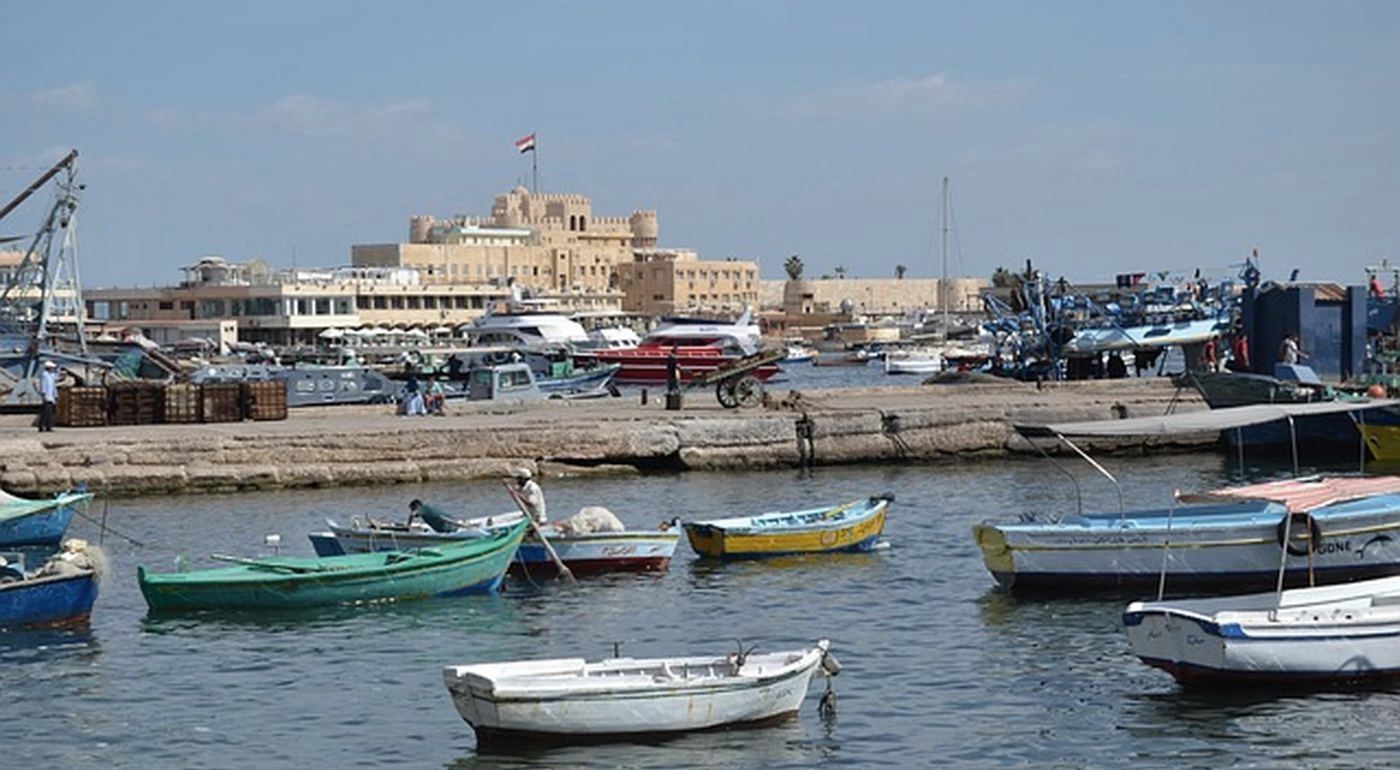
Historic Cairo has been a UNESCO World Heritage site since 1979. The Salah al-Din Citadel was for centuries the seat of Egypt's rulers, and the Alabaster Mosque of Mohamed Ali stands there; Khan El Khalili is a bazaar in historic Islamic Cairo, on the Cairo days by plane from the Red Sea. The Islamic Cairo and Al-Muizz Street half day starts at the Al-Azhar Mosque, then walks Al-Muizz Street, a street of mosques, madrasas and houses from the Fatimid and Mamluk eras, to Khan El Khalili; Coptic and Islamic Cairo in a day adds the Mosque-Madrasa of Sultan Hassan. In Alexandria, the Citadel of Qaitbay is a 15th-century fortress on the coast, built on the site of the ancient Lighthouse of Alexandria.

Modern Egypt

From Alexandria, the El Alamein War Museum explains the two 1942 battles, and more than 7,000 Allied soldiers are buried in the Commonwealth War Cemetery. In Aswan, the High Dam was built in the 1960s to control the Nile floods and generate electricity, and the Nubian Museum opened in 1997 with UNESCO to preserve Nubian heritage.

Follow one king: Ramses II

Ramses II turns up on many of these day trips. The Great Temple at Abu Simbel is dedicated to him, beside the smaller Temple of Nefertari; in Luxor, he expanded Luxor Temple; at Abydos, he completed the Temple of Seti I begun by his father; at Memphis, the open-air museum holds his colossal statue; and his statue stands in the Grand Hall of the Grand Egyptian Museum. For the Greek and Egyptian names of these kings, see Egyptian site names and spellings.

Planning this day?

Ask us before you book

Tell us your date, your group and your hotel. We reply with the price and the plan for your day.

WhatsApp