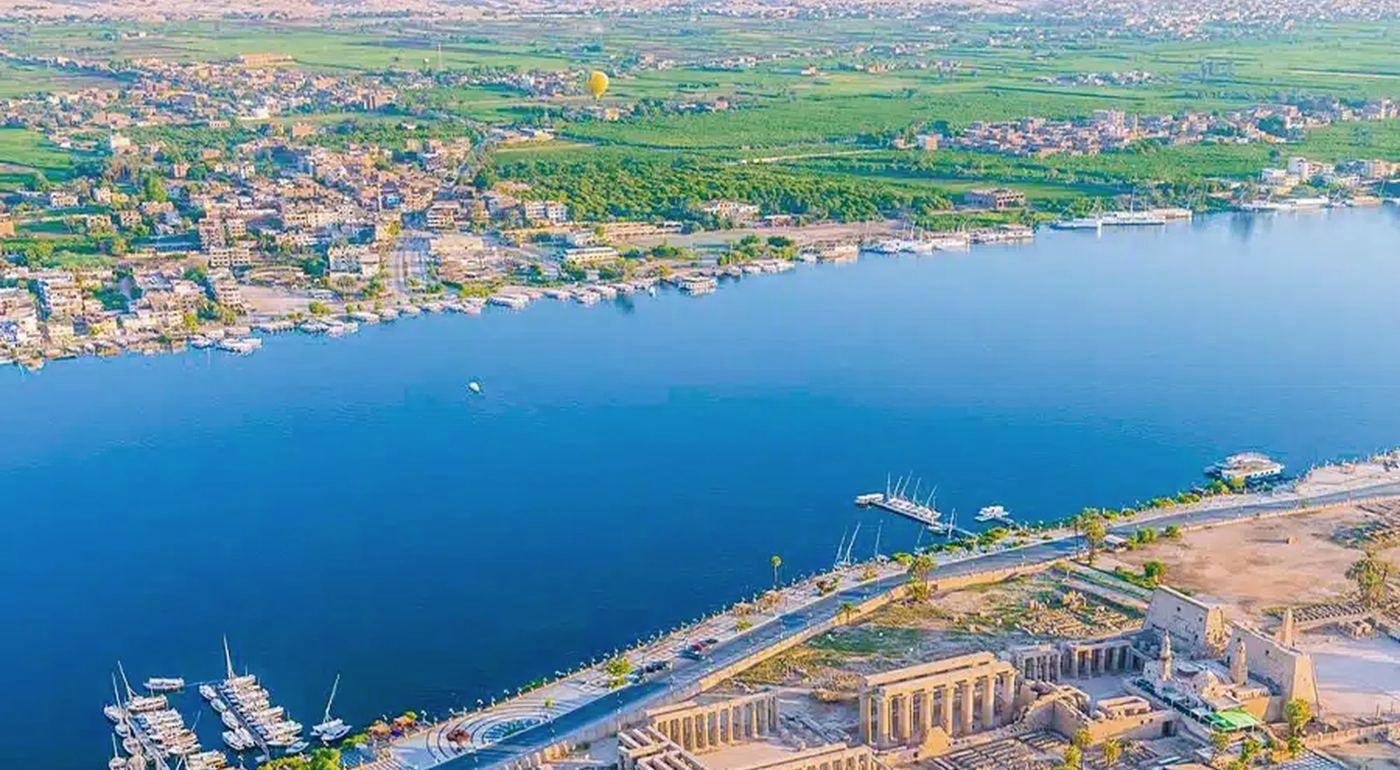
- Luxor stands on ancient Thebes: Karnak and Luxor Temple on the east bank, the royal tombs and mortuary temples on the west bank.
- Karnak is 3 km from the hotel, about 4 min without traffic, and Luxor Temple 3.2 km from Karnak.
- The standard Valley of the Kings ticket covers three tombs; Tutankhamun's tomb has its own ticket, optional on our tours.
- Luxor Temple takes last visitors at 7 p.m.; the main west bank sites at 5 p.m. in summer and 4 p.m. in winter.
- Abydos is 171.2 km from Luxor and Edfu 111.8 km, for a temple day north or south.
The main things to do in Luxor are to walk through Karnak and Luxor Temple on the east bank, cross the Nile to the Valley of the Kings, Hatshepsut's temple and the Colossi of Memnon on the west bank, see Karnak lit at night, float over the west bank in a balloon at sunrise, and take a temple day north to Dendera and Abydos or south to Edfu and Kom Ombo.
On the east bank
Walk through Karnak Temple
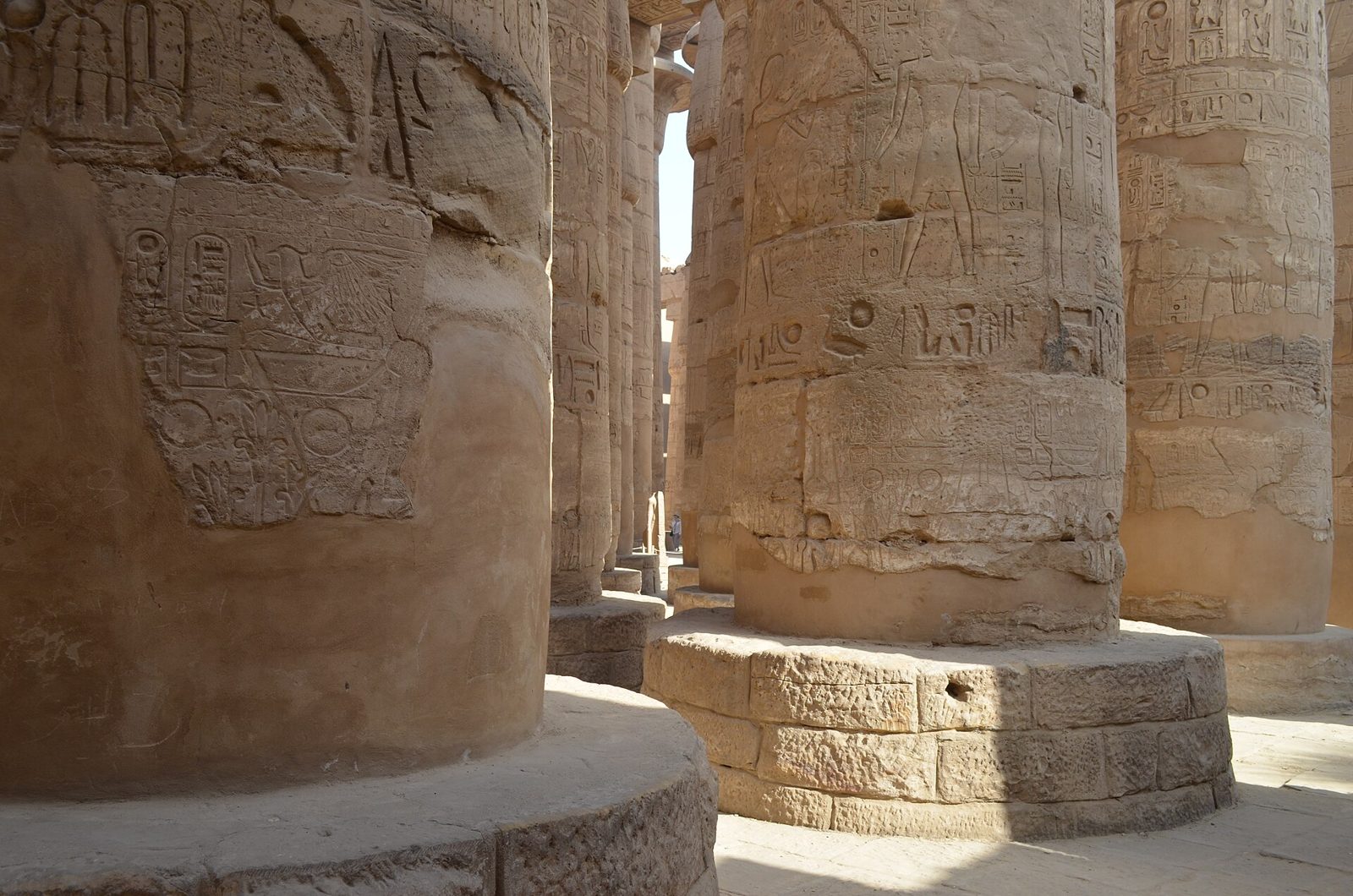
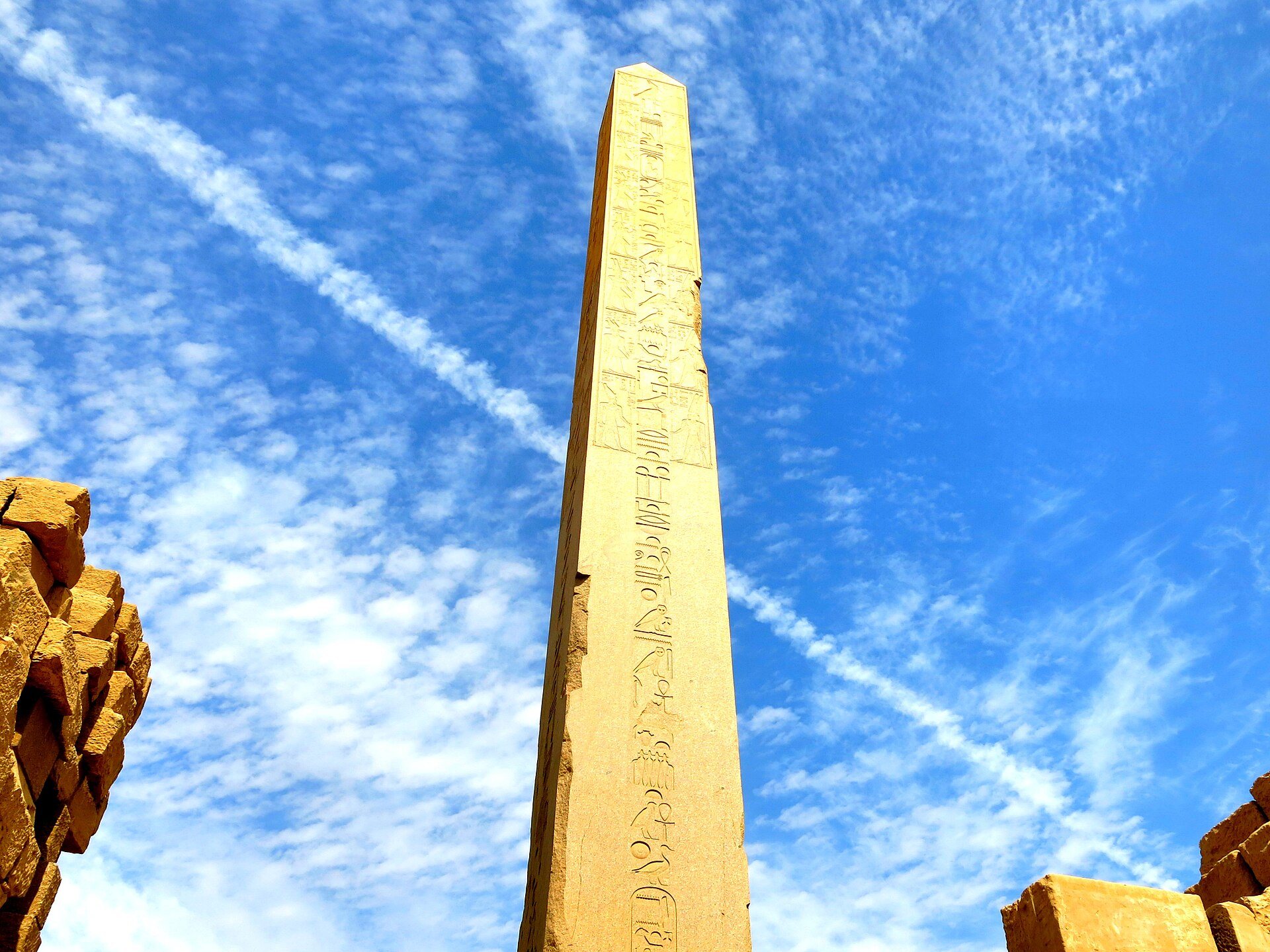
Karnak was the great temple of Amun in ancient Thebes, and Britannica calls its Amun precinct the largest temple complex in Egypt. Its Great Hypostyle Hall is a forest of 134 columns, and one of Hatshepsut's obelisks still stands there, almost 30 meters tall (Ministry of Tourism and Antiquities). Karnak is 3 km from the hotel, about 4 min without traffic. Our Karnak Temple tour is a morning of about 3 hours with an Egyptologist guide: the avenue of rams, the Great Hypostyle Hall and the sacred lake.
See Luxor Temple, into the evening
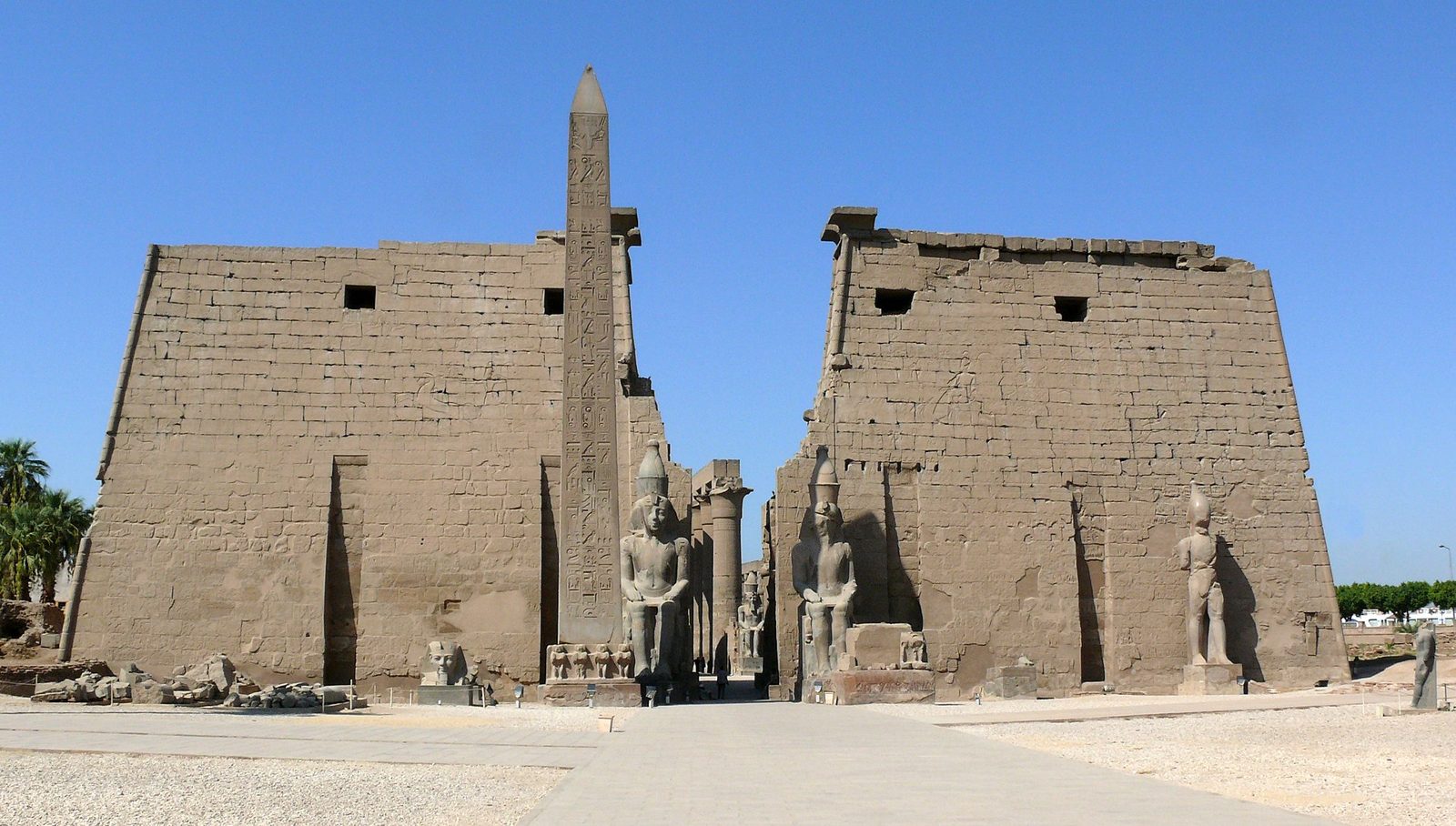
Luxor Temple was built for Amun, Mut and Khons by Amenhotep III, and Ramses II added a court, a pylon and obelisks; its colonnade has 14 pillars, 16 meters high, and a mosque of Sheikh Yusuf al-Haggag was built over the foundations of a church in one of its courts. An avenue of sphinxes about 2,700 meters long linked it to Karnak, 3.2 km away by road, about 4 min. The ticketing portal lists last entry at 7 p.m., so it can end a day. Our Luxor East Bank tour covers Karnak and Luxor Temple in a morning, with lunch, from a hotel or a Nile cruise boat.
See Karnak at night
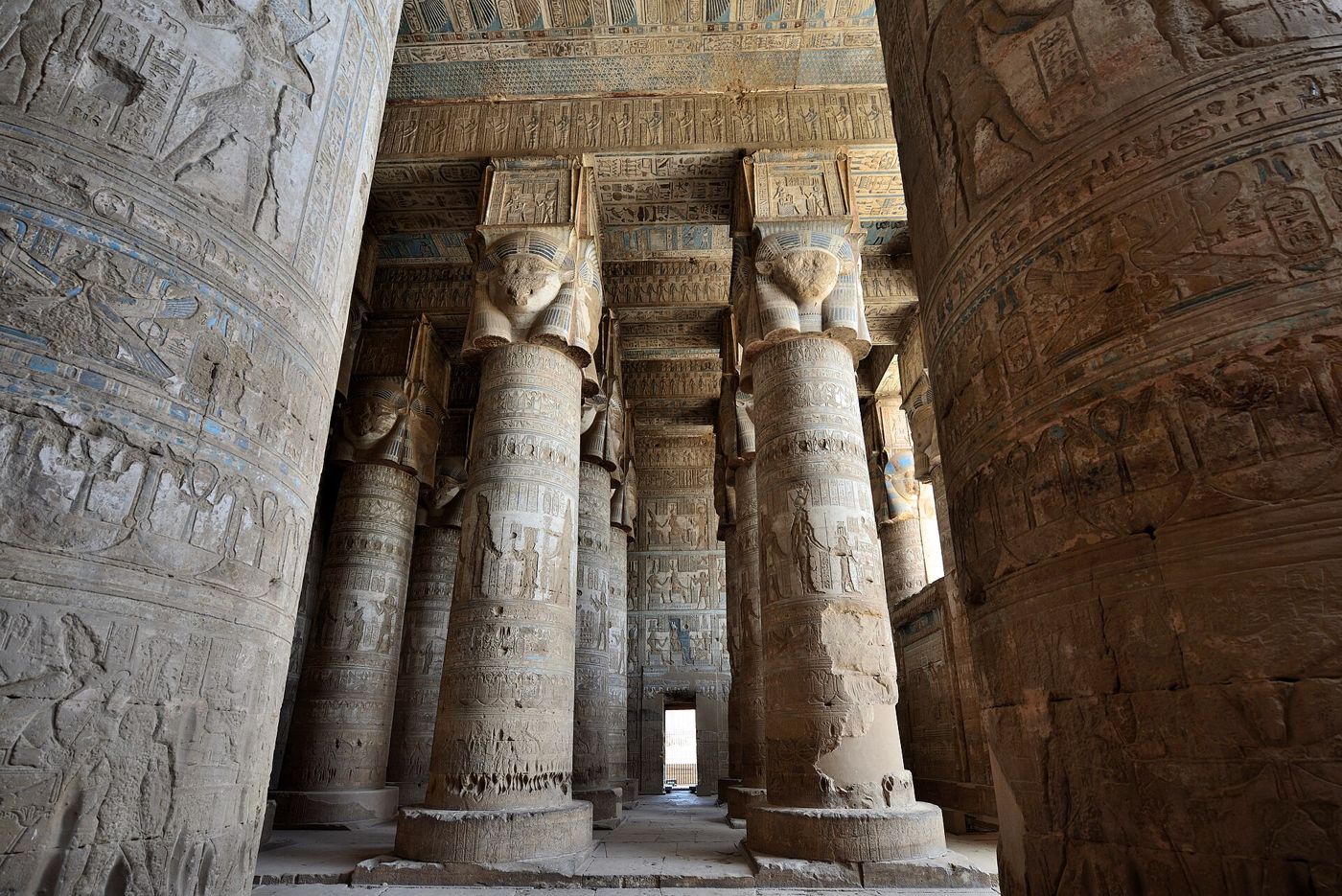
Our Karnak sound and light show is an evening walk past the lit columns of the hypostyle hall, the last column of Taharqa and the sacred lake, then a show seated beside the lake that tells the story of ancient Thebes and Karnak. For other ideas after dark, read Luxor in the evening.
Two small museums, not on our tours
The Luxor Museum and the Mummification Museum both open at 9 a.m. and take last visitors at noon in summer and at 1 p.m. in winter (ticketing portal). They are not on our tours; a guide-only booking in Luxor lets you plan a day around them, with a car and the entrance fees on request.
On the west bank
Go down into the Valley of the Kings
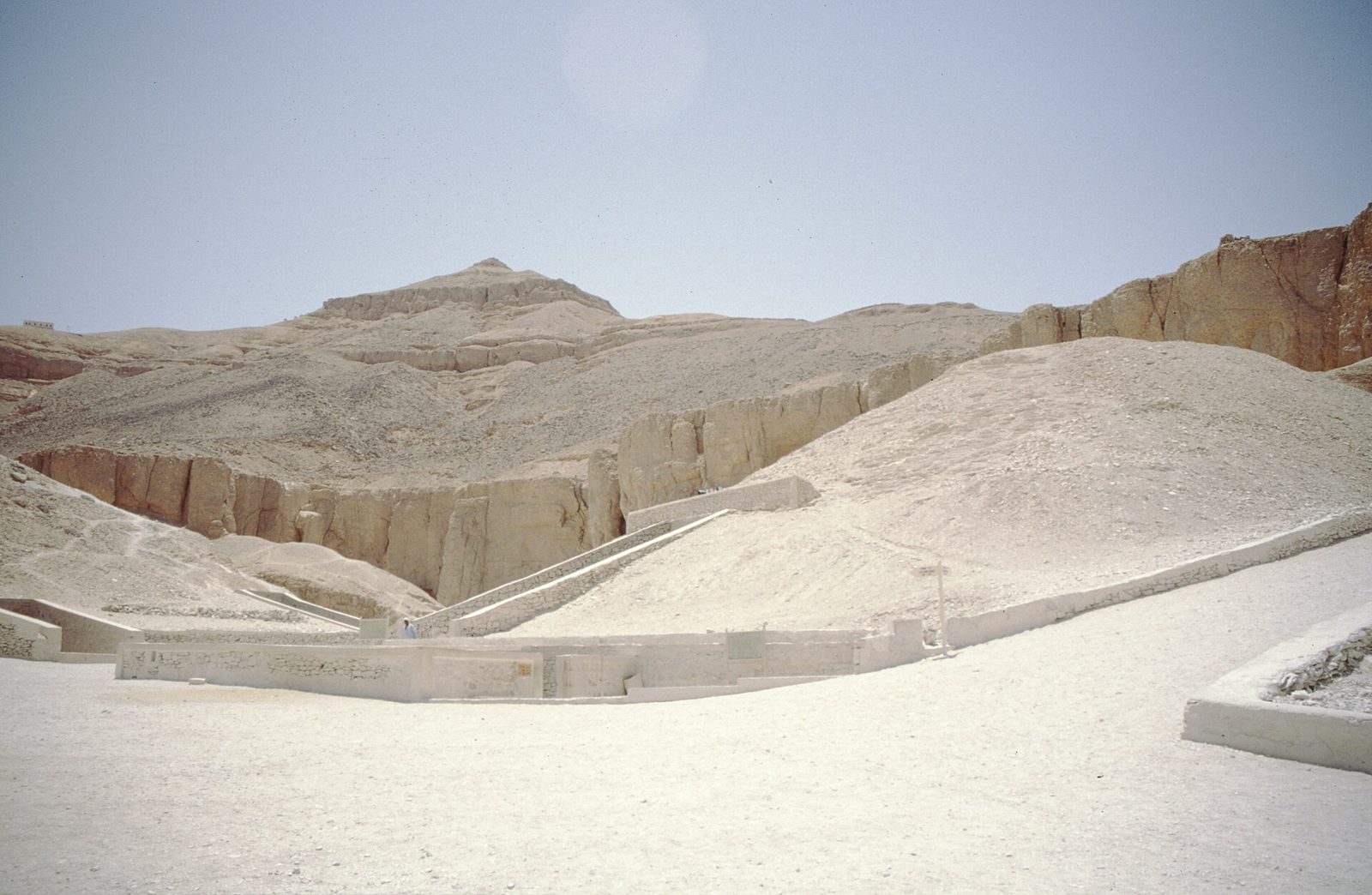
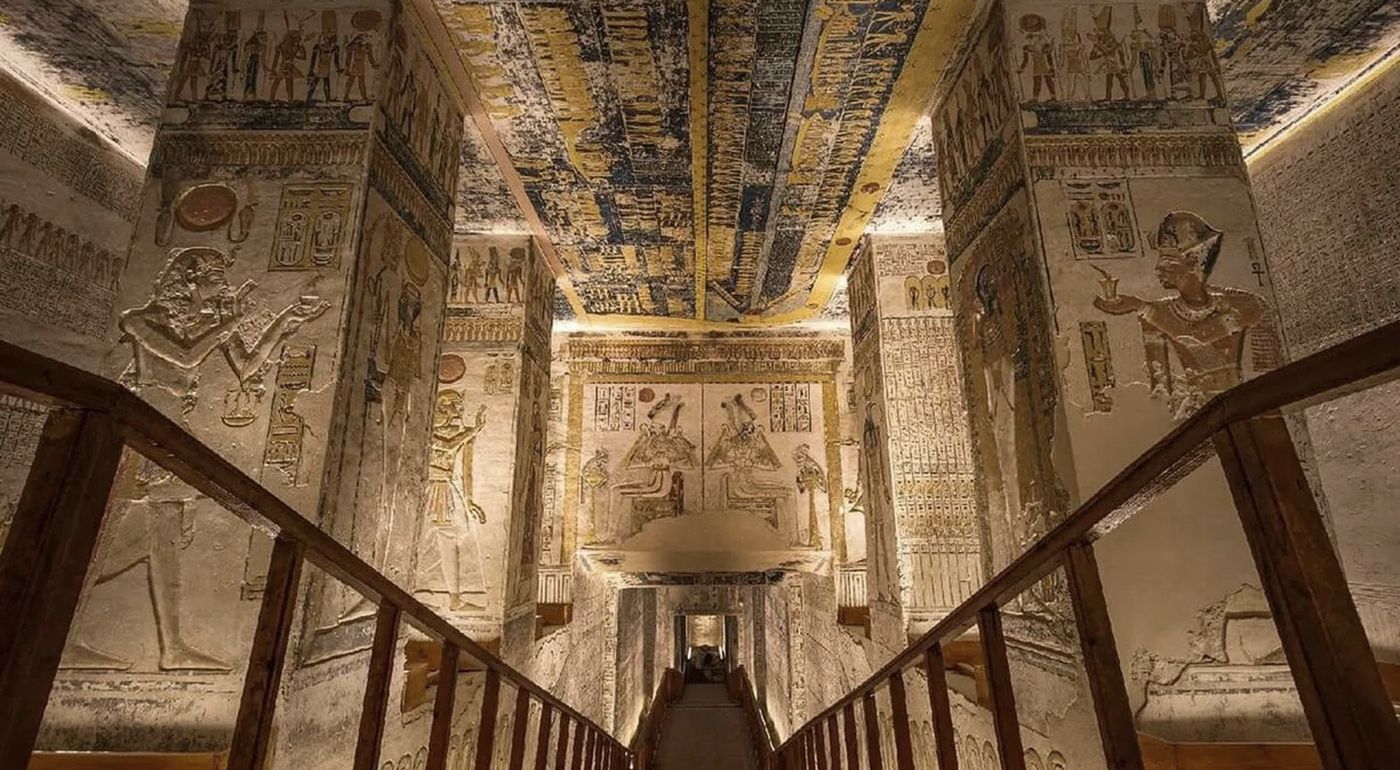
The Valley of the Kings was the burial place of almost all the kings of the 18th to 20th dynasties. Britannica counts 62 known tombs, and Tutankhamun's small tomb, KV 62, was found in 1922. The standard ticket covers three tombs; Tutankhamun's tomb has its own ticket, an optional extra on our tours. The valley is 16.2 km from the hotel, about 26 min without traffic. Valley of the Kings: tickets and tombs explains the choice of tombs.
Climb the terraces of Hatshepsut's temple
Hatshepsut's temple at Deir el-Bahari, designed by her architect Senenmut, rises in colonnades and courts on three levels against the cliffs. Hatshepsut ruled as a female king, with the full titles and regalia of a pharaoh (Britannica). The temple is 6.3 km from the Valley of the Kings, about 16 min without traffic. Two official sources give different ticket prices for it (table below).
Stop at the Colossi of Memnon
Two huge quartzite statues of Amenhotep III are what remains of the gateway to his mortuary temple, which was almost completely demolished (Britannica). They are 14.9 km from the hotel, about 18 min without traffic, and all our west bank days stop there.
Add Medinet Habu and Deir el-Medina
Medinet Habu, the temple of Ramses III, is the latest of the great New Kingdom mortuary temples and is largely well preserved, with battle scenes on its walls; nearby Deir el-Medina was the village of the craftsmen who worked on the royal tombs. Both are on our Luxor West Bank full day, 8.3 km from the Valley of the Kings, about 18 min without traffic. The shorter Valley of the Kings and Hatshepsut tour is a morning of about 5 hours.
Fly over the west bank at sunrise
Our hot-air balloon ride picks you up from your hotel or Nile cruise before sunrise and crosses by ferry to the launch site on the west bank; from the air you see the Valley of the Kings, Hatshepsut's temple and the Nile. The balloon is shared with other guests, while the transfers are private, and if a flight is cancelled for weather you get another date or a full refund. What the balloon morning looks like has the details.