The Great Hypostyle Hall
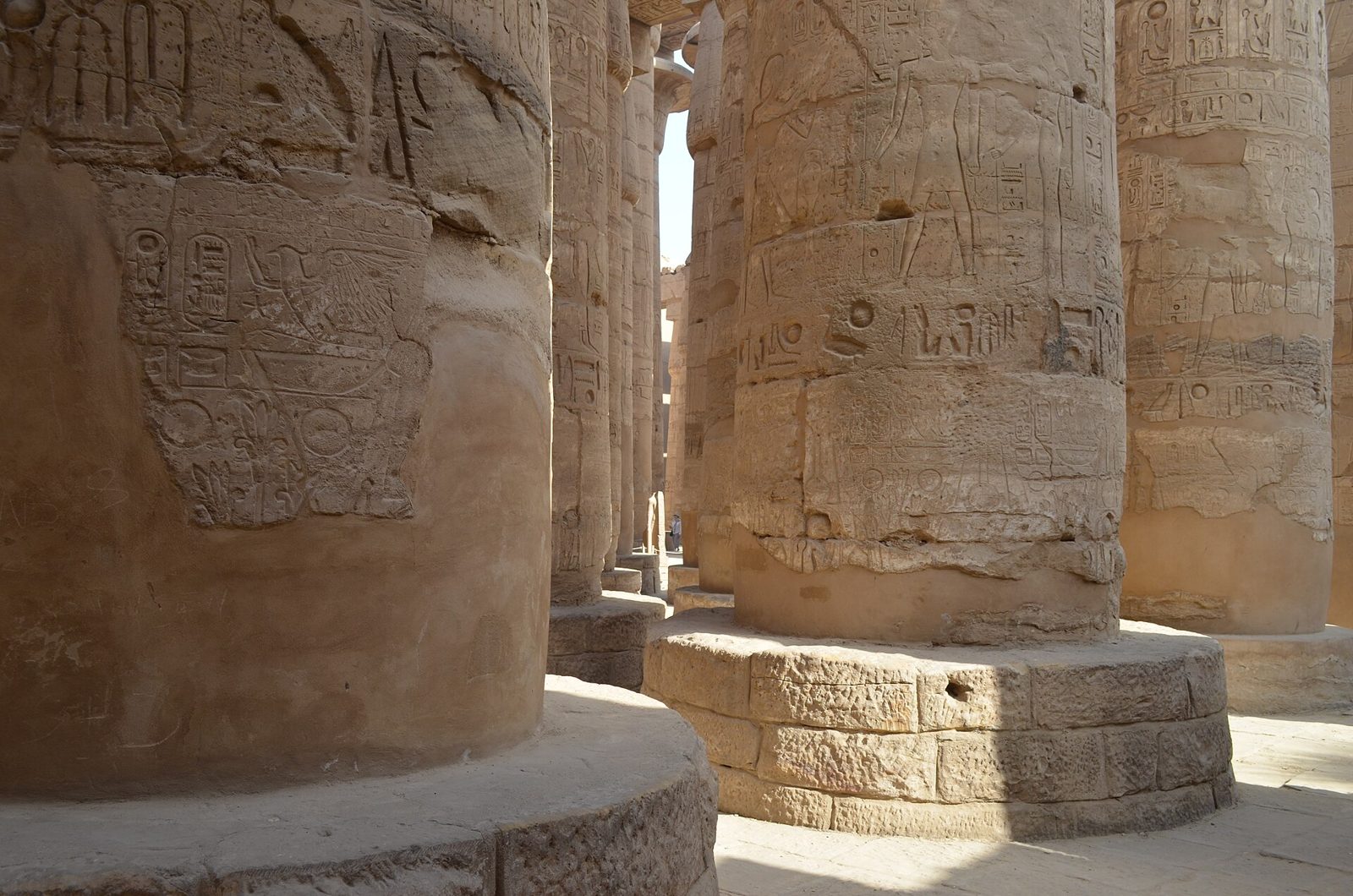
A hall of 134 columns; twelve taller ones carried the raised roof of the central nave, with seven aisles on either side. The outer walls show Seti I's wars in Palestine and Ramses II at the Battle of Kadesh.
Home / Attractions / Karnak Temple
Luxor · East Bank of the Nile
The precincts of Amun, Mut and Montu on the east bank of the Nile in Luxor, added to by Egypt's kings from the Middle Kingdom to Roman times.
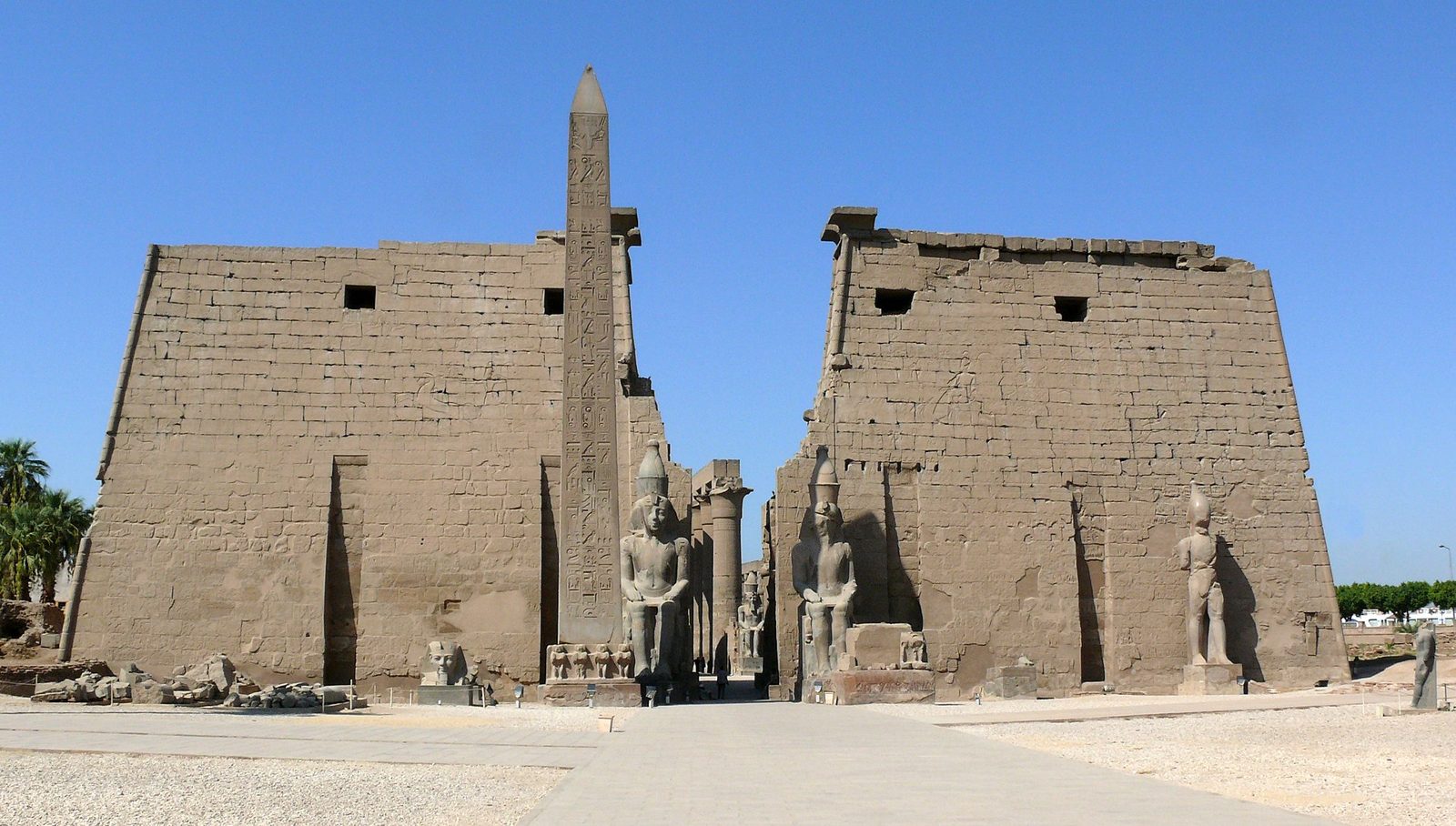
Karnak is the northern half of the ruins of ancient Thebes, on the east bank of the Nile in Luxor; its ancient name was Ipet-Isut, "Chosen of Places." It holds three walled precincts: the Temple of Montu, the war god, to the north, the Temple of Mut to the south, and between them the Great Temple of Amun-Re, the largest temple complex in Egypt and one of the largest in the world.
Kings built at the Amun temple from the reign of Intef II, which began around 2112 BCE, to the Ptolemaic period, with some Roman additions, and nearly every New Kingdom king left a mark on it. A processional way lined with sphinxes runs south to Luxor Temple and was used in the Opet Festival. UNESCO inscribed Karnak as part of Ancient Thebes with its Necropolis in 1979.
A hall of 134 columns; twelve taller ones carried the raised roof of the central nave, with seven aisles on either side. The outer walls show Seti I's wars in Palestine and Ramses II at the Battle of Kadesh.
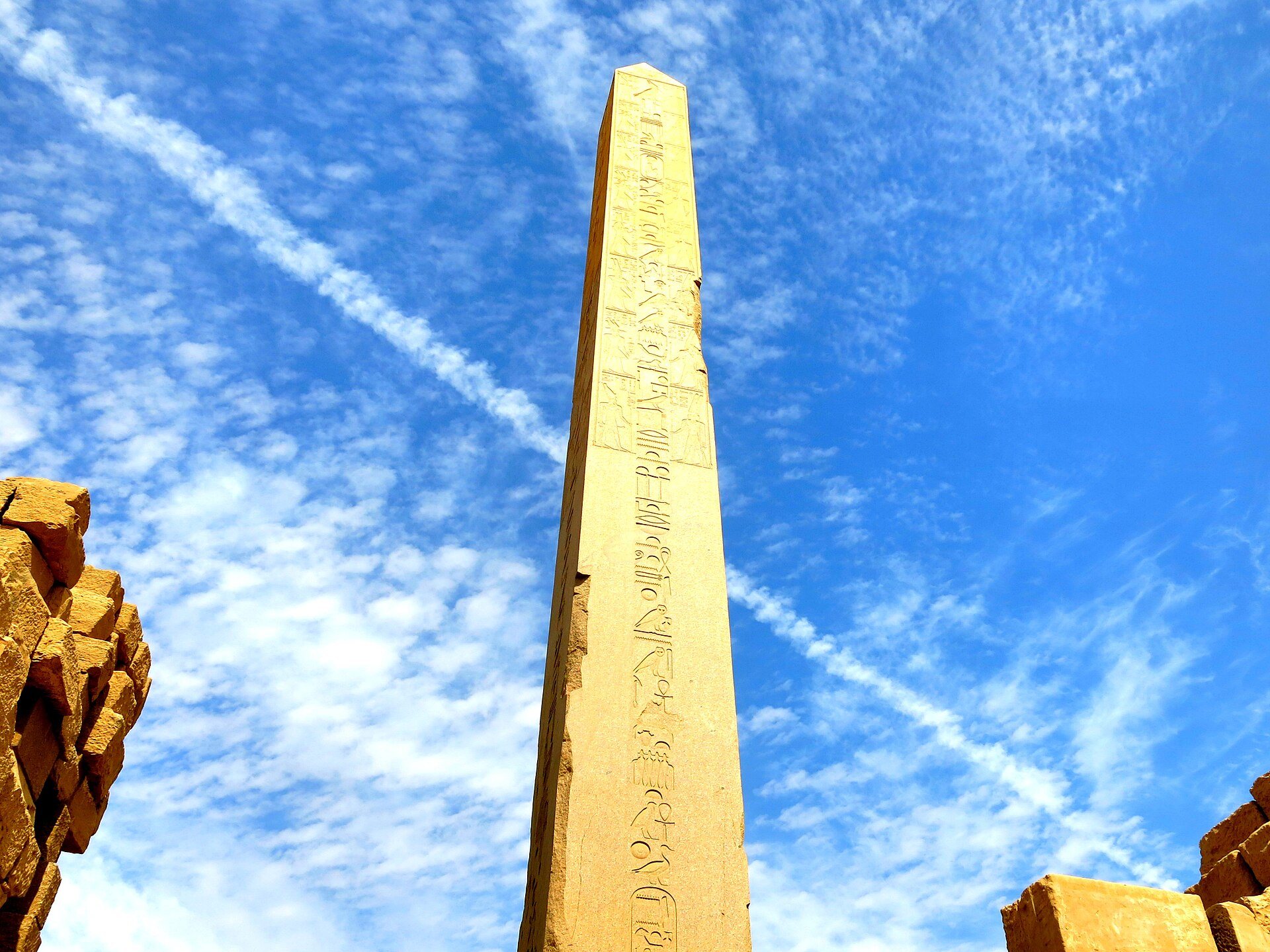
Of the obelisks Hatshepsut set up at Karnak, one still stands: the larger, almost 30 meters tall and over 300 tons.
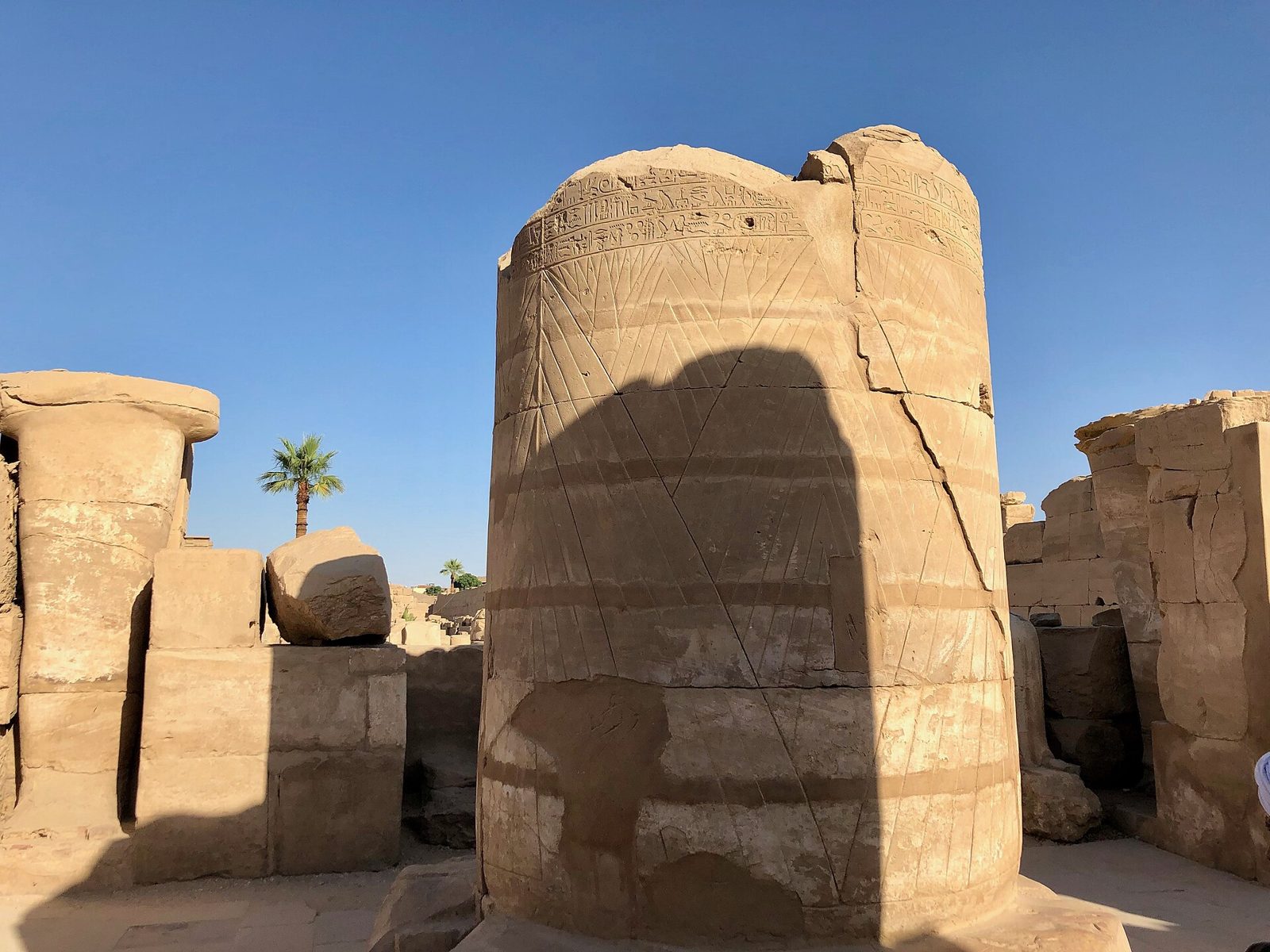
In the great court stands the one remaining column of the colonnade raised by the Kushite king Taharqa.
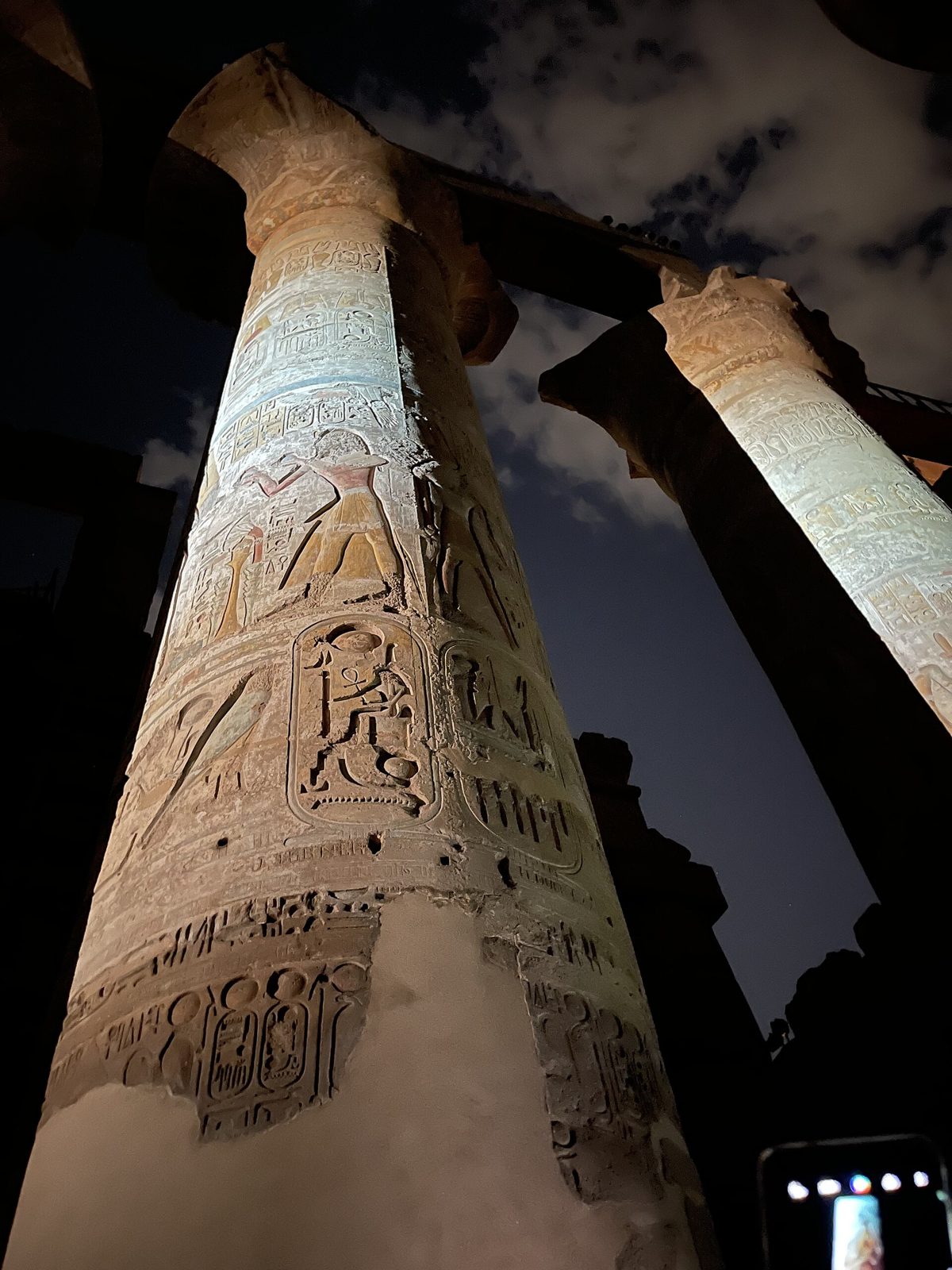
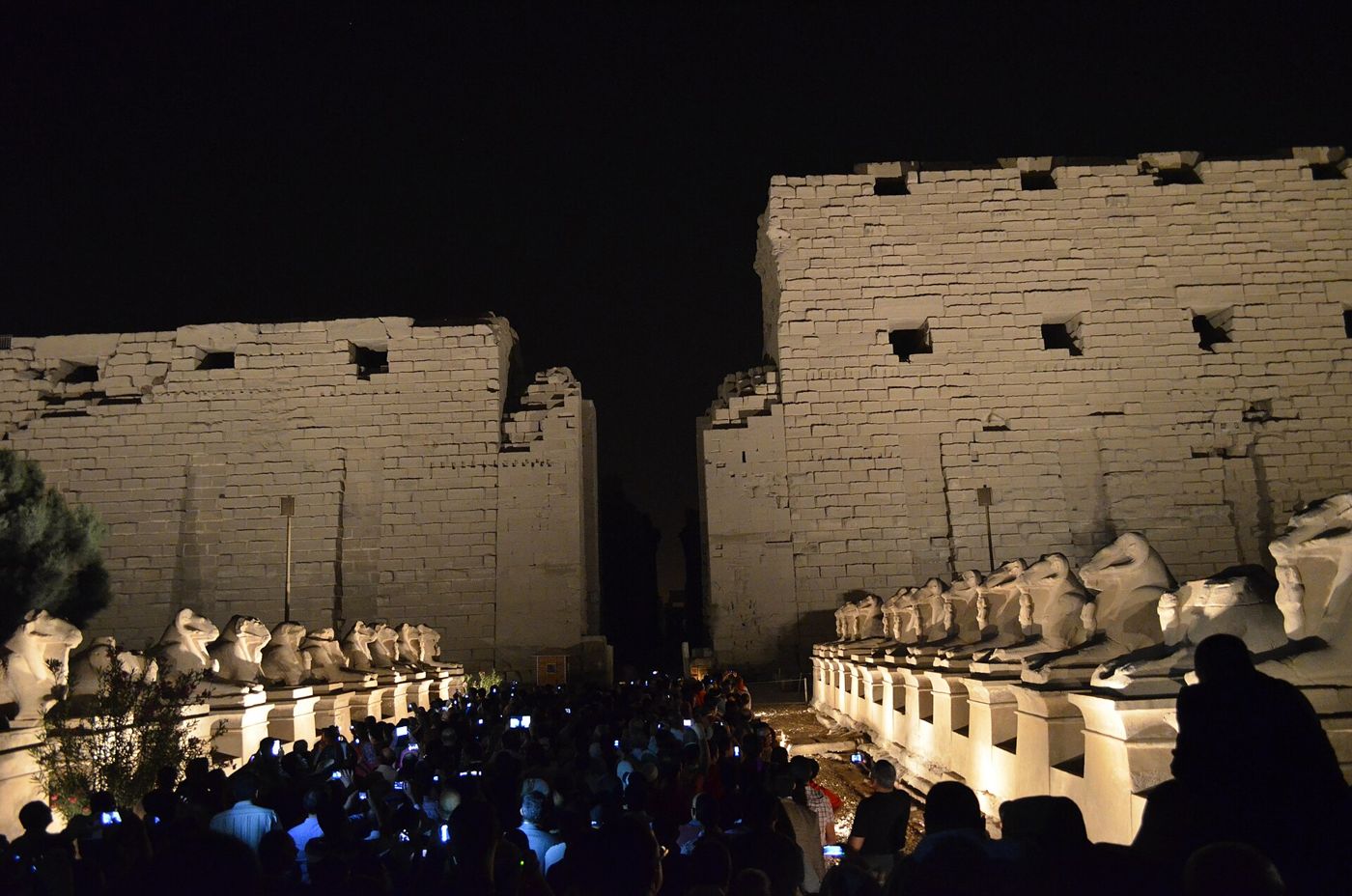
The sound and light show passes the lit columns of the Hypostyle Hall and ends with seats beside the sacred lake, where the story of Thebes and Karnak is told in about 75 minutes.
| Summer | 6:00 am · last entry 4:00 pm |
|---|---|
| Winter | 6:00 am · last entry 4:00 pm |
| Ramadan | 6:00 am · last entry 4:00 pm |
| Open Air Museum | 9:00 am to 5:00 pm |
The Ministry's monuments website gives 6:00 am to 5:00 pm daily for the temple.
Ministry of Tourism and Antiquities ticketing portal, checked August 2026
| Adult | Student | |
| Karnak Temple and Open Air Museum | EGP 600 | EGP 300 |
| Temple of Mut | EGP 200 | EGP 100 |
Prices in Egyptian pounds, as of August 2026
| From Luxor hotels (East Bank) | 3 km · about 4 min |
|---|---|
| From Marsa Alam hotels | 355 km · about 4 h 11 min |
Without traffic, from our tours' map routing
Our Luxor East Bank tour starts at Karnak, with the Hypostyle Hall, then drives 3.2 km, about 4 minutes, to Luxor Temple; entry to both is included. Our full-day Luxor tours add the West Bank, and day trips reach Karnak from Aswan, from Marsa Alam by road and from Sharm El Sheikh by plane (flights not included). In the evening a separate tour takes you to the sound and light show, with its ticket included.
The coolest months are December to February.
World Meteorological Organization climate normals (monthly averages, not forecasts)
On the East Bank, Karnak and Luxor Temple; on the West Bank, the Valley of the Kings, the Valley of the Queens, Hatshepsut's temple at Deir el-Bahari, Medinet Habu, the Ramesseum, the Colossi of Memnon and the workmen's village of Deir el-Medina. UNESCO lists them together as Ancient Thebes with its Necropolis.
Kings built at the Amun temple from the reign of Intef II, which began around 2112 BCE, into the Ptolemaic and Roman periods. Digs have traced a small settlement on the site back to about 3400–3100 BCE.
134, over about 54,000 square feet (5,000 square meters). Twelve taller columns carried the raised roof of the central nave.
From 6:00 am with last entry at 4:00 pm all year, per the Ministry's ticketing portal; the Ministry's monuments website gives 6:00 am to 5:00 pm.
EGP 600 for foreign adults and EGP 300 for foreign students, covering the temple and its Open Air Museum, as of August 2026. The Temple of Mut has its own ticket: EGP 200, or EGP 100 for students.
About 3.2 km, a 4-minute drive without traffic. In ancient times the two temples were linked by an avenue of sphinxes about 2,700 meters long.
Sources: Encyclopaedia Britannica; Egypt's Ministry of Tourism and Antiquities; UNESCO World Heritage Centre; World Meteorological Organization.
Guides
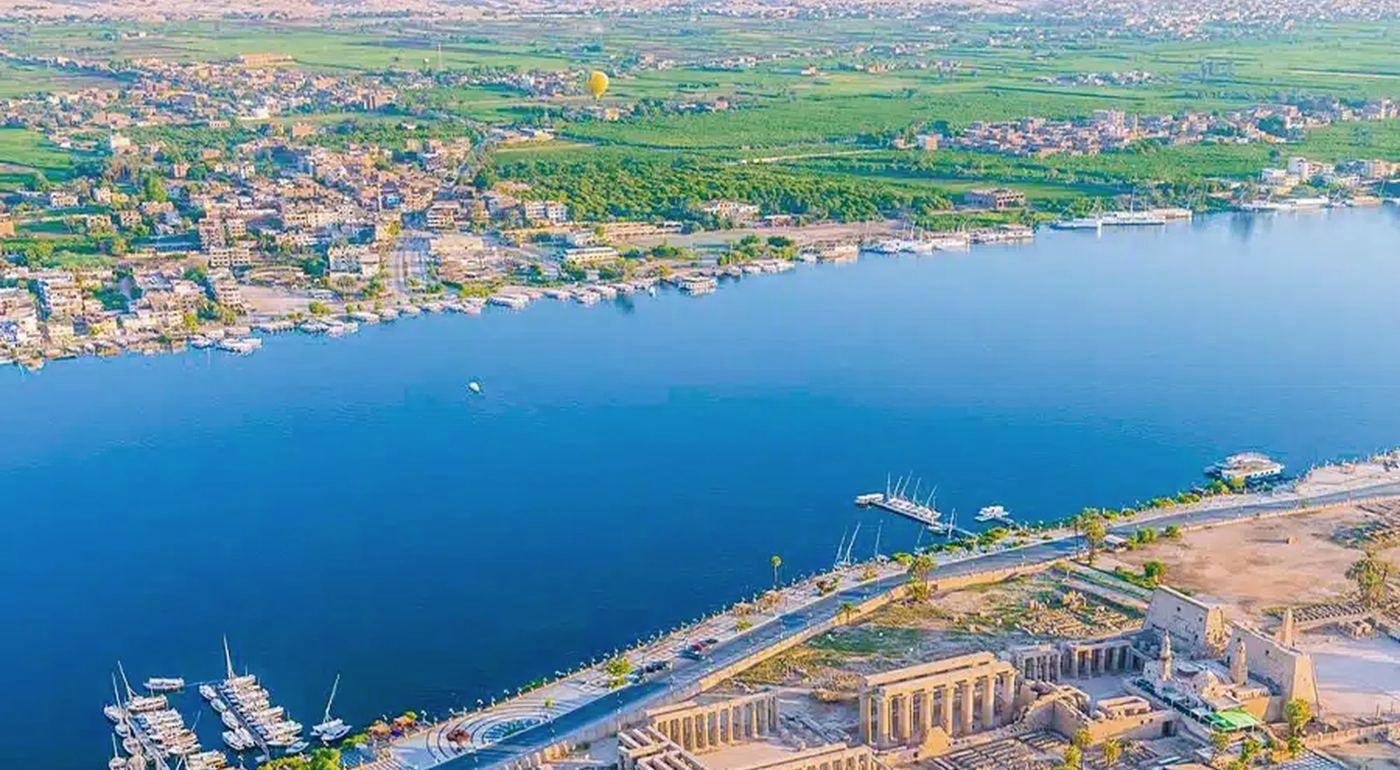 West Bank or East Bank: how to split a Luxor dayWhich sites sit on each bank of the Nile, and how our Luxor day tours divide them.
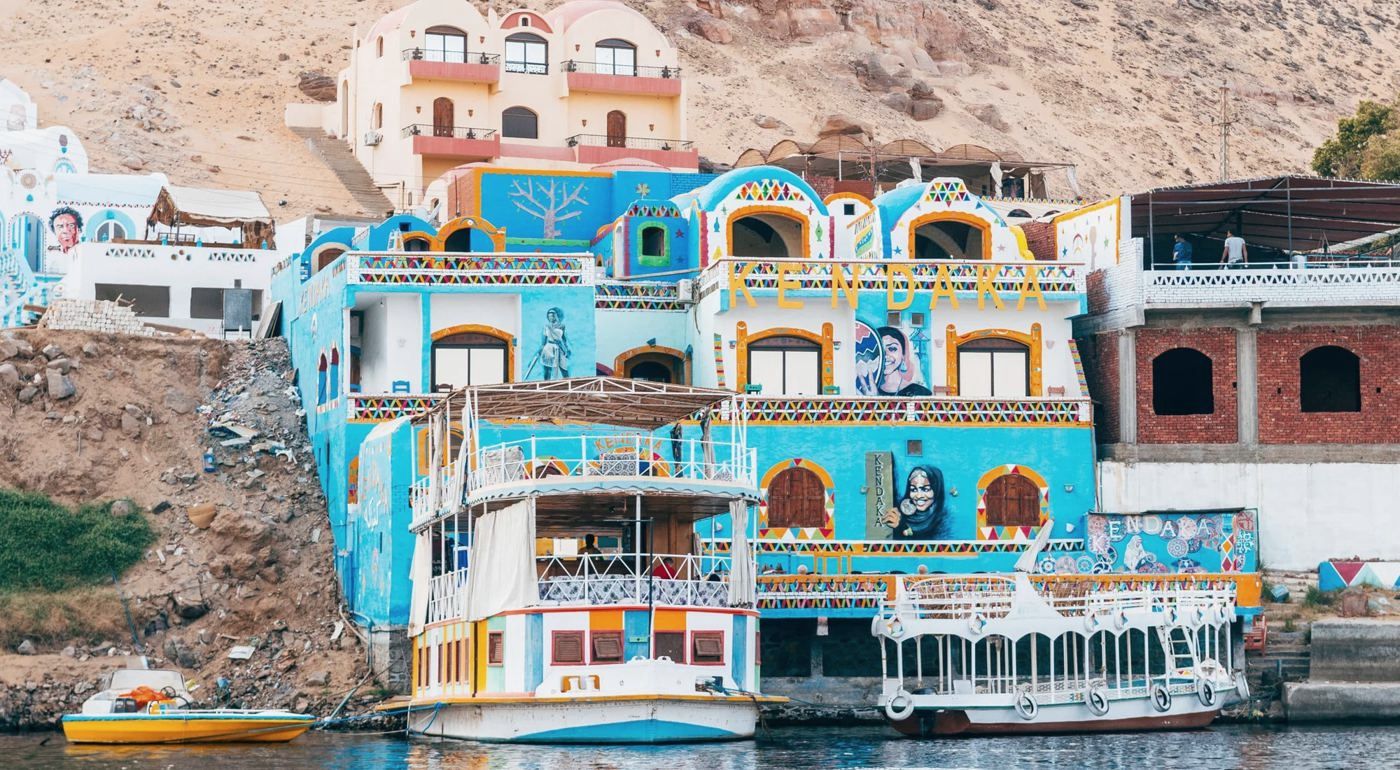 Day tours from a Nile cruise boat in Luxor and AswanWhich Luxor and Aswan day tours pick you up from a Nile cruise boat, and how to fit one in.
 Egypt day trips by plane: how a one-day flight tour worksThe airport, the drives at each end, the day on the ground, and the flights that are not in the tour price.
 Marsa Alam day trips: the sea, the desert or Luxor?A boat day from Port Ghalib or Samadai, a sunset quad ride, or a long road day to Luxor: what each tour lists.