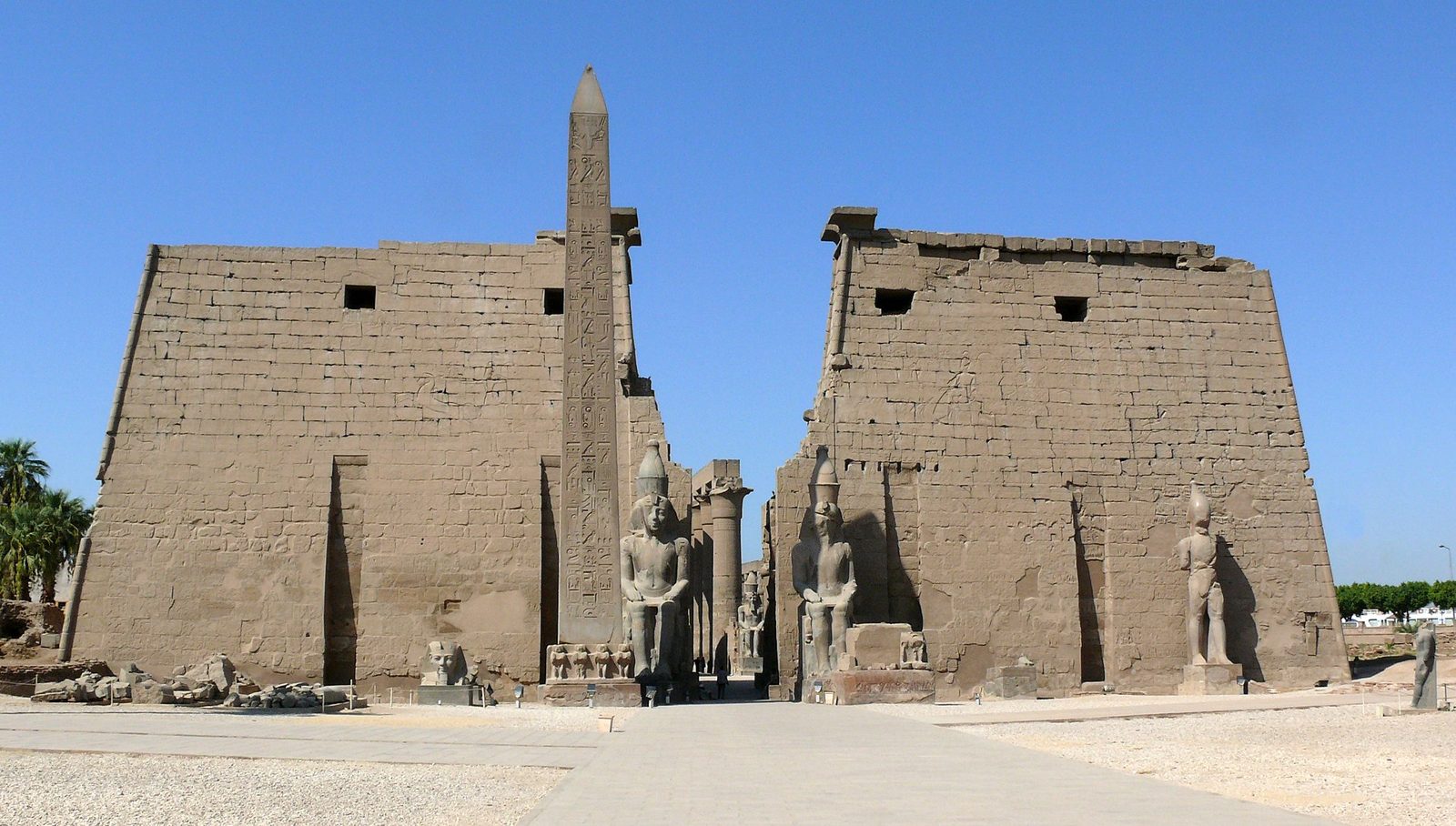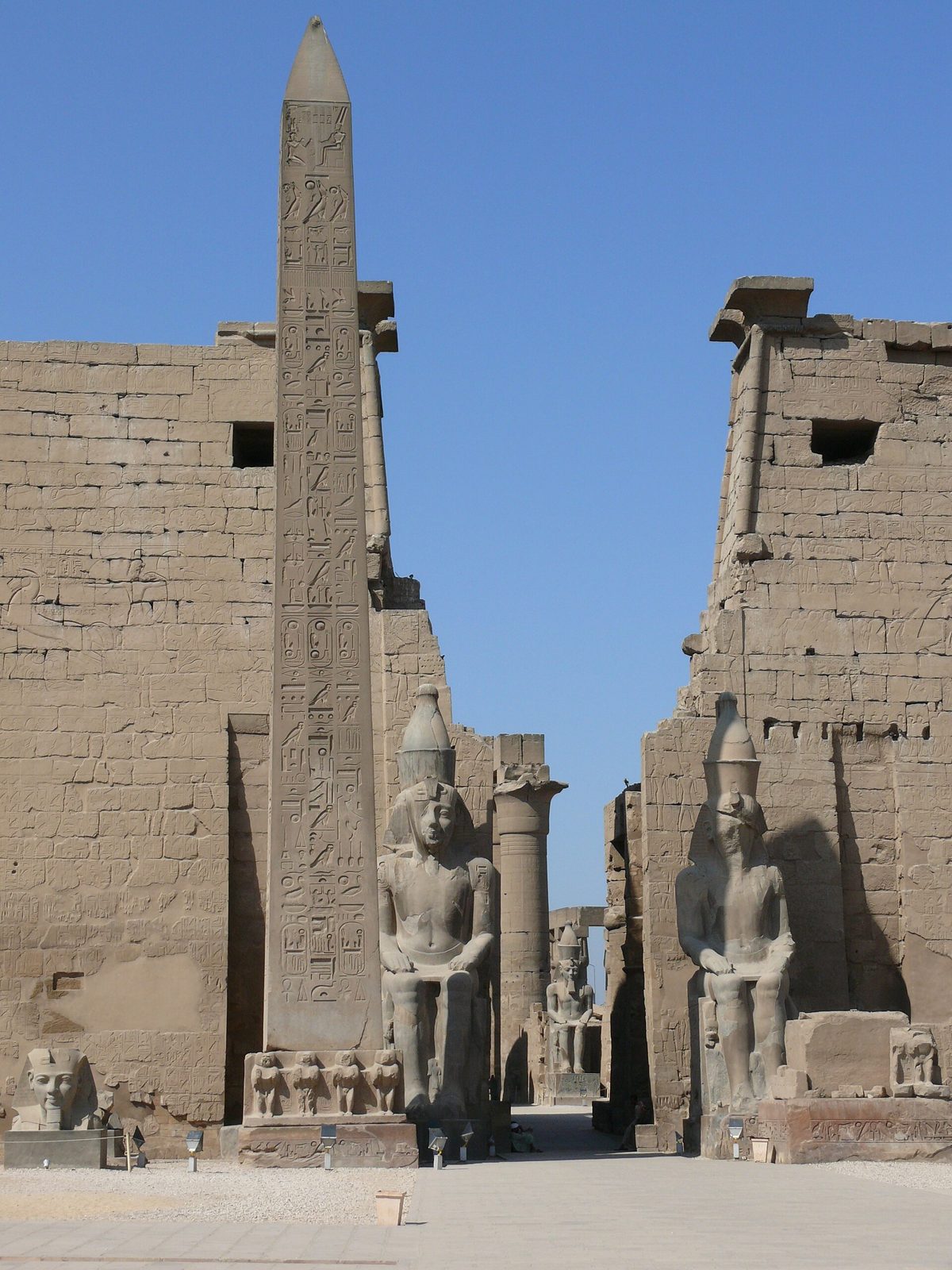
The pylon and obelisk
Ramses II's pylon carries festival scenes and episodes from his wars; in front of it stand his colossal statues and the obelisk that stayed in Luxor.
Home / Attractions / Luxor Temple
Luxor · East Bank of the Nile, central Luxor
The temple of Amun, Mut and Khons in the center of Luxor, begun by Amenhotep III and completed by Tutankhamun, Horemheb and Ramses II.
Luxor Temple stands in the center of modern Luxor, close to the Nile and parallel with the bank. Commissioned by Amenhotep III of the late 18th dynasty, it was dedicated to Amun, his consort Mut and their son Khons; the ancient Egyptians called it Ipet-resyt, the "Southern Sanctuary."
Unlike most Egyptian temples it faces Karnak, about three kilometers to the north, and it was the main stage of the Opet Festival, when the images of Amun, Mut and Khonsu were carried from Karnak to visit it. The site stayed in use: a Roman fort, Coptic churches, and in the Fatimid period a mosque built over a church in the court of Ramses II. UNESCO inscribed it as part of Ancient Thebes with its Necropolis in 1979.
Ramses II's pylon carries festival scenes and episodes from his wars; in front of it stand his colossal statues and the obelisk that stayed in Luxor.
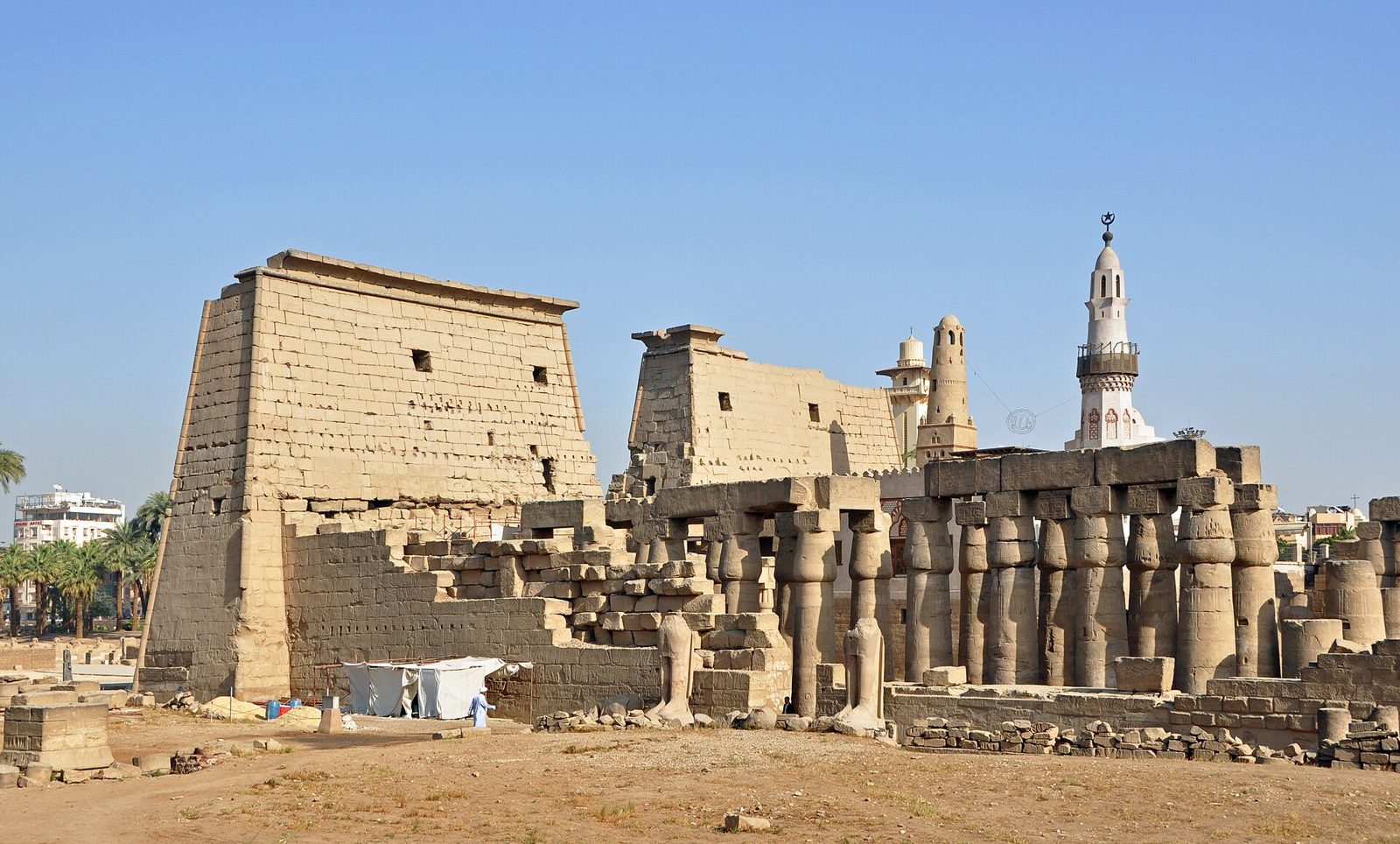
Amenhotep III's colonnade of 14 columns leads to his peristyle court, ringed on three sides by a double row of papyrus-cluster columns; above the court of Ramses II rises the minaret of the Abu al-Haggag mosque.
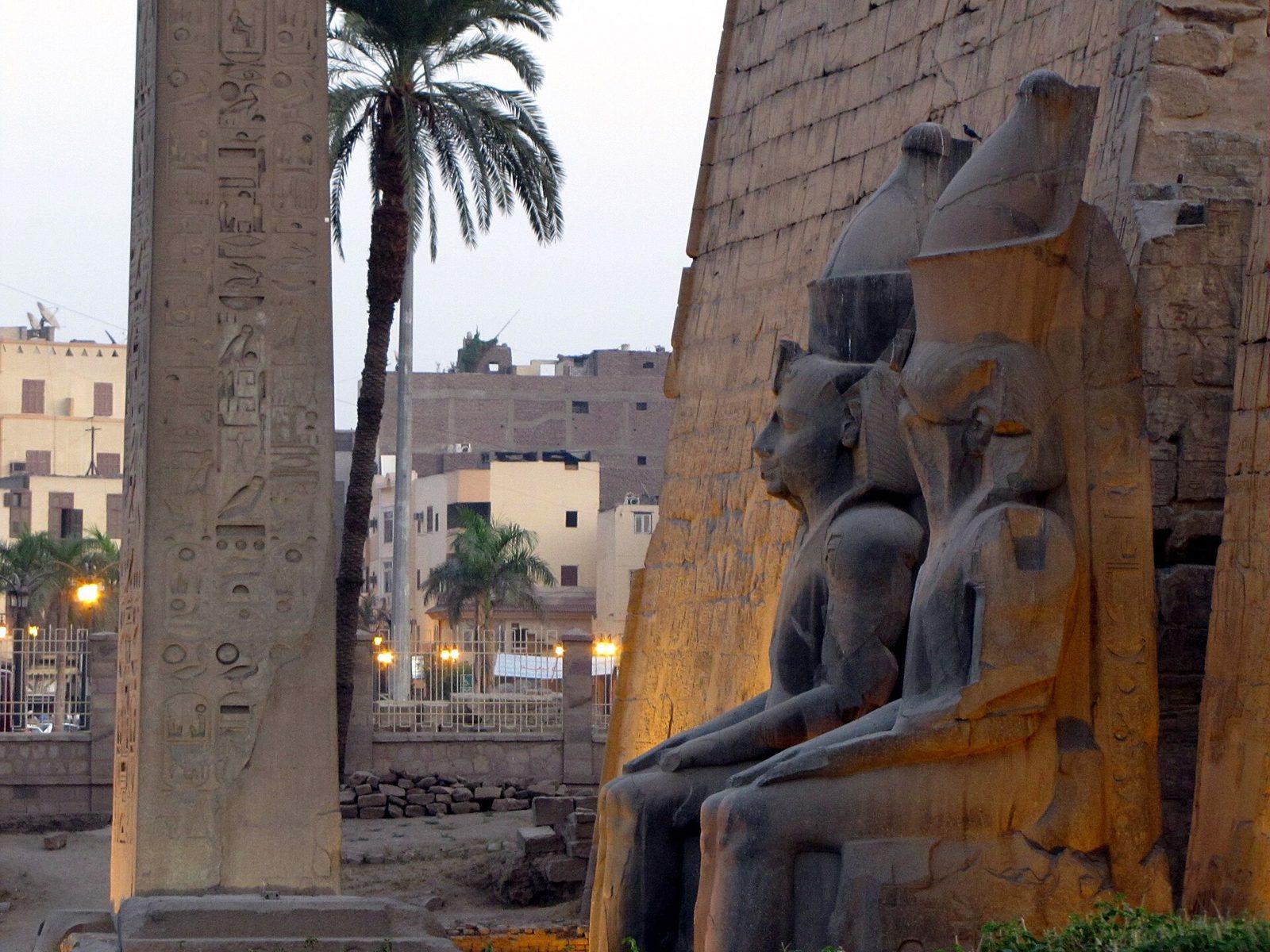
Colossal statues of Ramses II stand at the entrance and between the columns of his court. With last entry at 7:00 pm, the temple can be visited after dark.
| Summer | 6:00 am · last entry 7:00 pm |
|---|---|
| Winter | 6:00 am · last entry 7:00 pm |
| Ramadan | 6:00 am · last entry 7:00 pm |
The Ministry's monuments website gives 6:00 am to 8:00 pm daily.
Ministry of Tourism and Antiquities ticketing portal, checked August 2026
| Adult | Student | |
| Luxor Temple | EGP 500 | EGP 250 |
Prices in Egyptian pounds, as of August 2026
| Back to your Luxor hotel | 1.7 km · about 3 min |
|---|
Without traffic, from our tours' map routing
On our tours Luxor Temple follows Karnak, 3.2 km and about 4 minutes away, and entry is included. It is part of our Luxor East Bank and full-day tours, and of day trips from Aswan, from Marsa Alam by road and from Sharm El Sheikh by plane (flights not included).
The coolest months are December to February.
World Meteorological Organization climate normals (monthly averages, not forecasts)
Amenhotep III, who reigned 1390–53 BCE, commissioned it. Tutankhamun and Horemheb completed it, Ramses II added the outer court, pylon and obelisks, and smaller additions came in Ptolemaic times.
In the Place de la Concorde in Paris, where it has stood since 1836. Its twin still stands in front of the pylon.
A religious festival in which the images of Amun, Mut and Khonsu were carried in procession from Karnak to Luxor Temple. Reliefs in the great colonnade show the preparations for the procession of the sacred boats.
Yes. Per the Ministry's ticketing portal it opens at 6:00 am with last entry at 7:00 pm; the Ministry's monuments website gives 6:00 am to 8:00 pm.
EGP 500 for foreign adults and EGP 250 for foreign students, as of August 2026. Children under 6 enter free.
About 3.2 km, around 4 minutes by car without traffic. An avenue of sphinxes about 2,700 meters long once linked the two temples.
Sources: Encyclopaedia Britannica; Egypt's Ministry of Tourism and Antiquities; UNESCO World Heritage Centre; World Meteorological Organization.
Guides
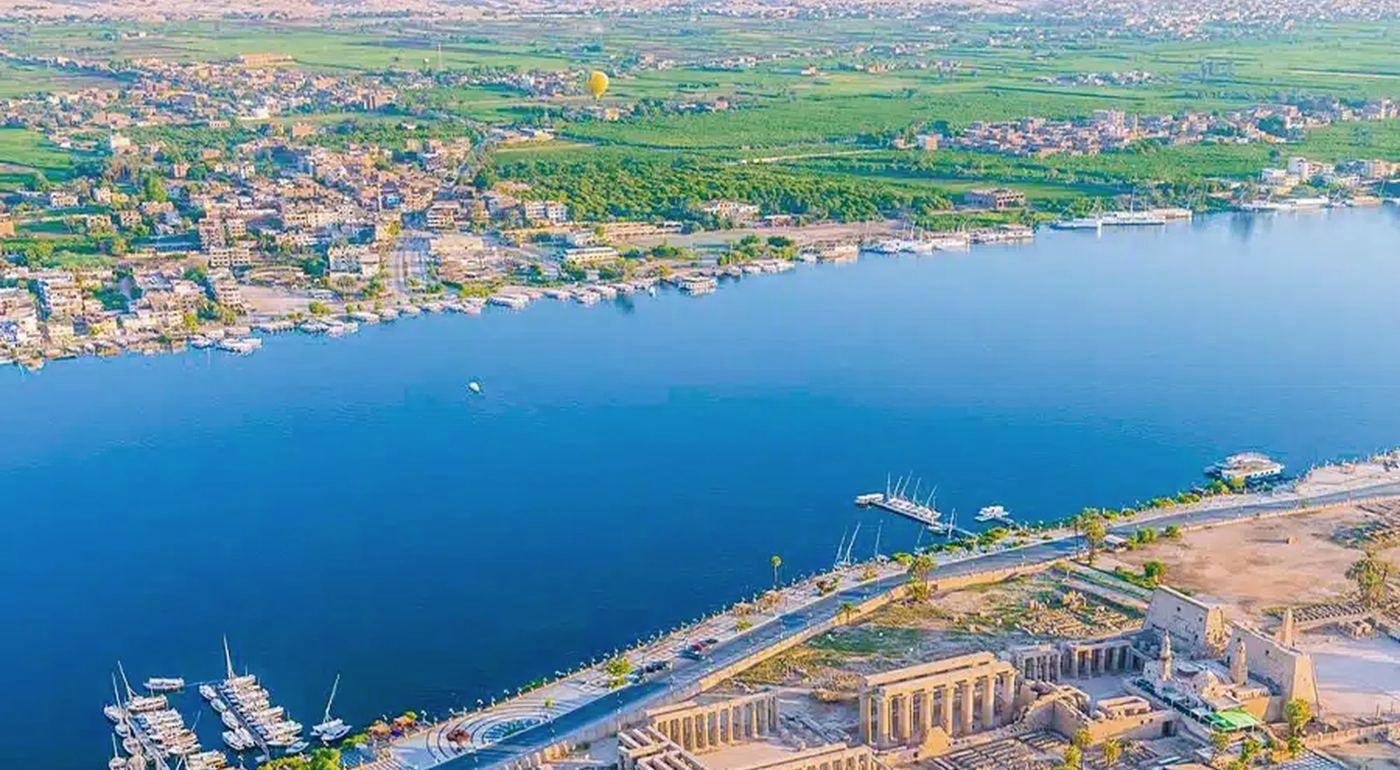 West Bank or East Bank: how to split a Luxor dayWhich sites sit on each bank of the Nile, and how our Luxor day tours divide them.
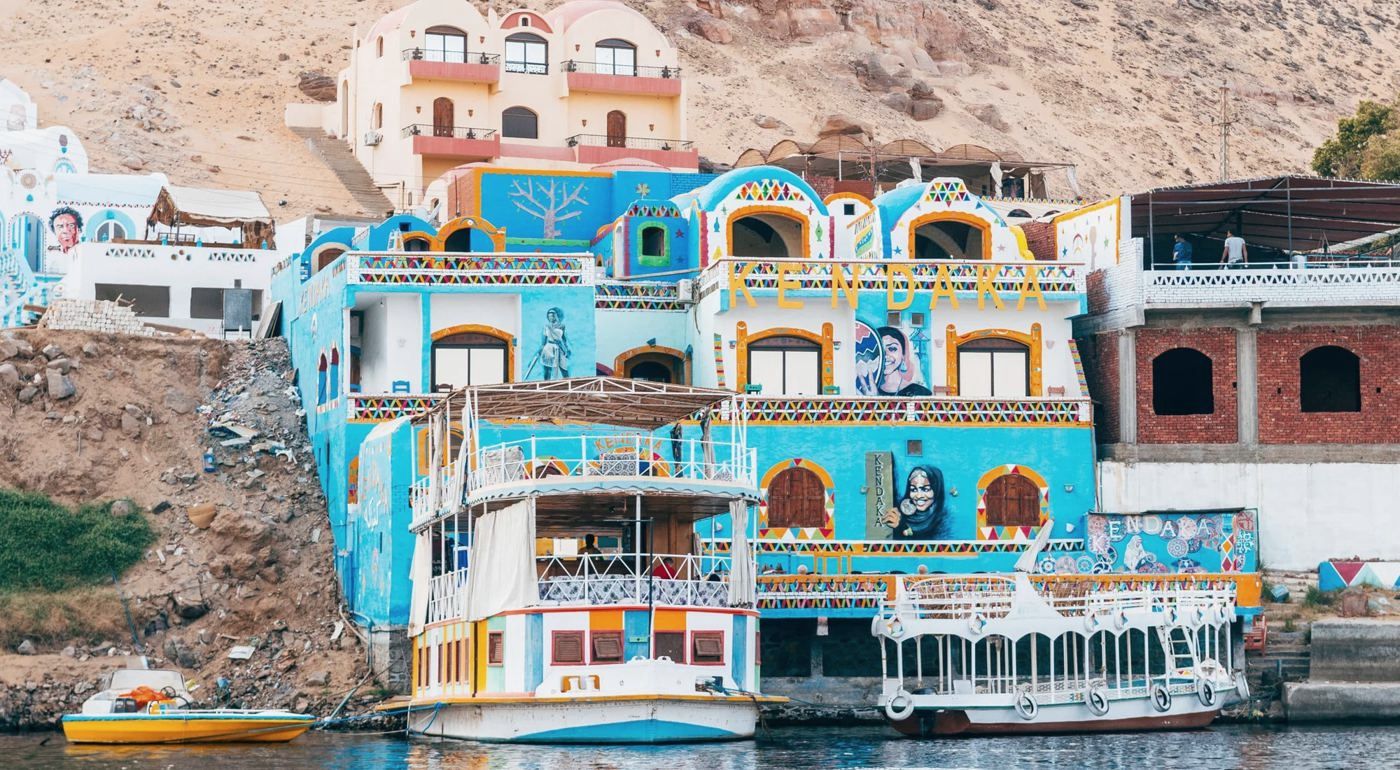 Day tours from a Nile cruise boat in Luxor and AswanWhich Luxor and Aswan day tours pick you up from a Nile cruise boat, and how to fit one in.
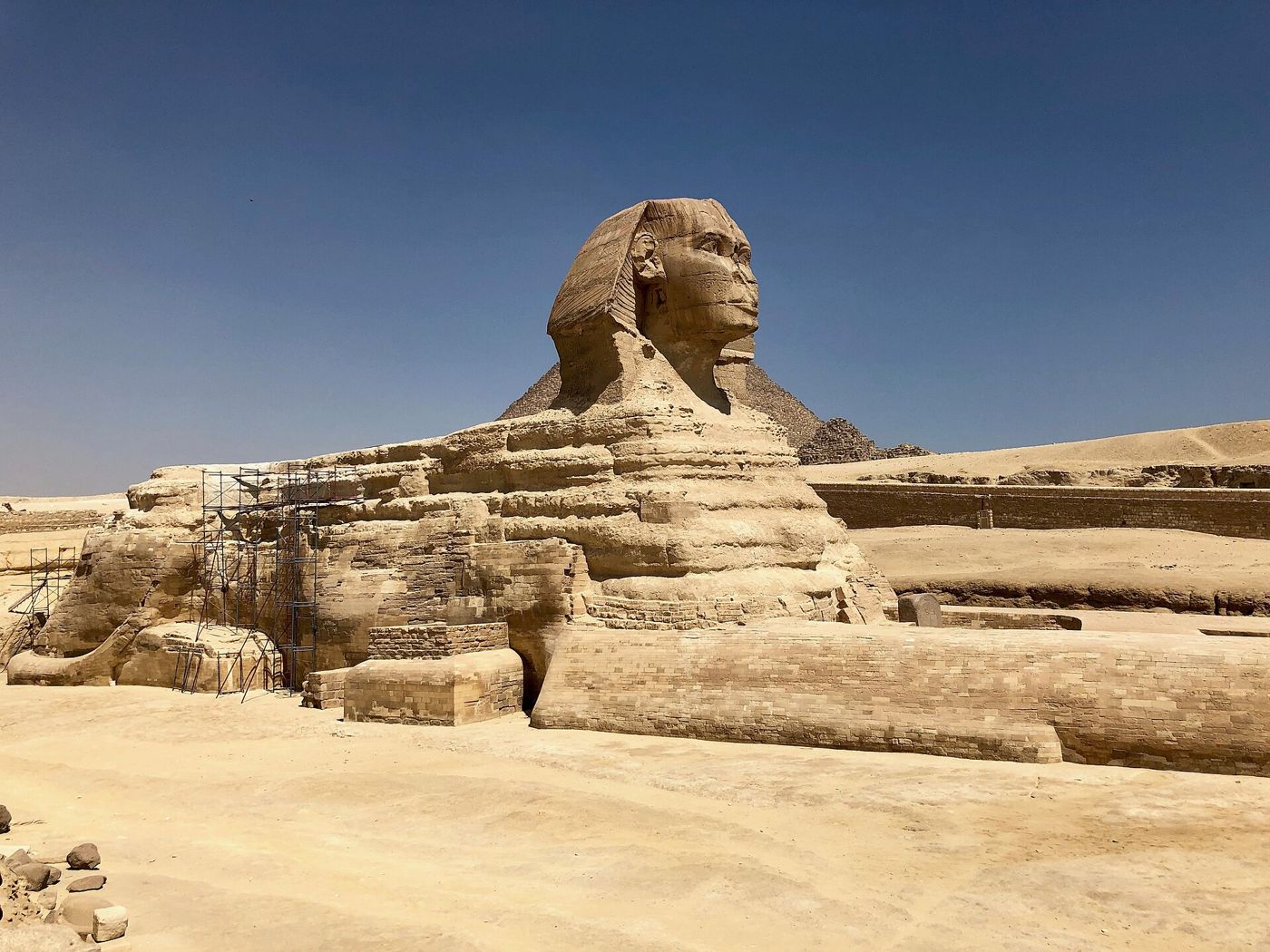 Egypt day trips by plane: how a one-day flight tour worksThe airport, the drives at each end, the day on the ground, and the flights that are not in the tour price.