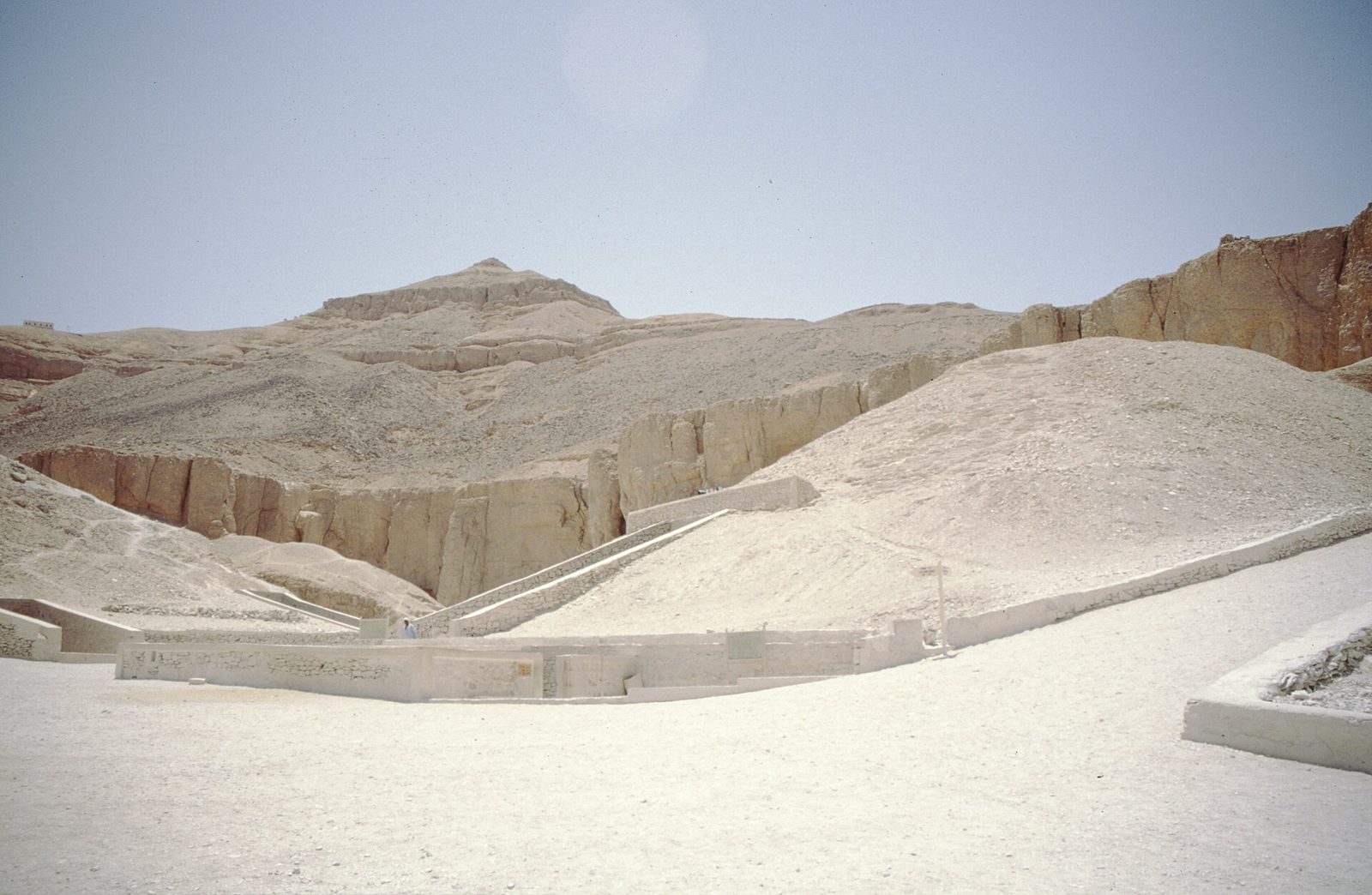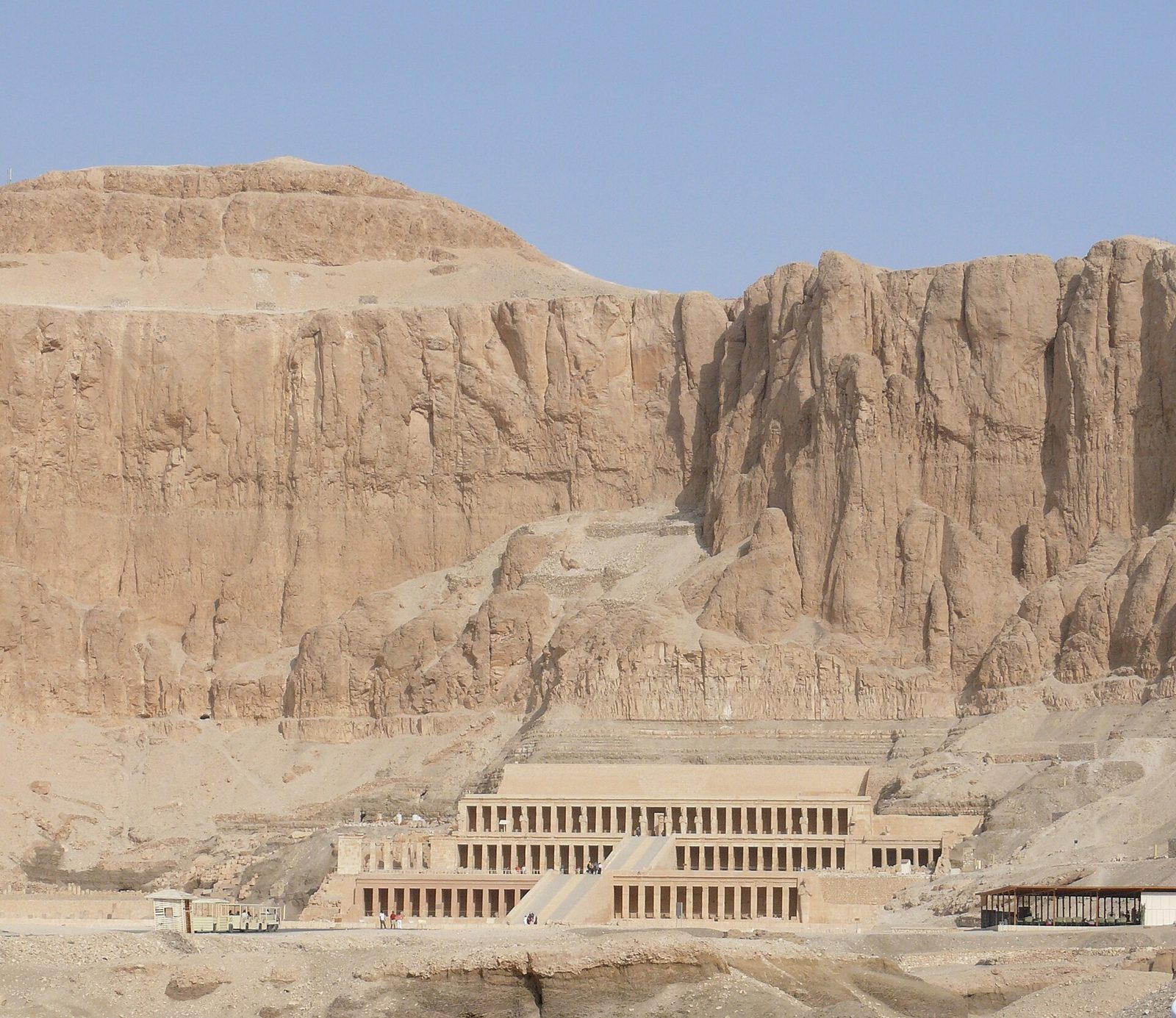
The terraces under the cliffs
Ramps climb three terraces of colonnades toward a sanctuary cut into the cliff behind; rock falls from the cliffs above damaged all three temples in the bay.
Home / Attractions / Temple of Hatshepsut
Luxor · Deir el-Bahari, Theban West Bank
The terraced funerary temple of Hatshepsut, the queen who ruled Egypt as king, set in a bay of cliffs on Luxor's West Bank.
The Temple of Hatshepsut stands at Deir el-Bahari, a bay in the cliffs on the west bank of the Nile, east of the Valley of the Kings and across the river from Karnak. Built around 1470 BCE as Hatshepsut's funerary monument, it rises on three terraces and was dedicated to Amun-Re, with chapels to Hathor, Anubis and the royal ancestors.
Hatshepsut, daughter of Thutmose I, ruled first as co-regent for the young Thutmose III and then as king in her own right, c. 1473–58 BCE. Two other temples share the bay: the funerary temple of Mentuhotep II, built about 1970 BCE, and a later temple of Thutmose III. The site is part of Ancient Thebes with its Necropolis, inscribed by UNESCO in 1979.
Ramps climb three terraces of colonnades toward a sanctuary cut into the cliff behind; rock falls from the cliffs above damaged all three temples in the bay.
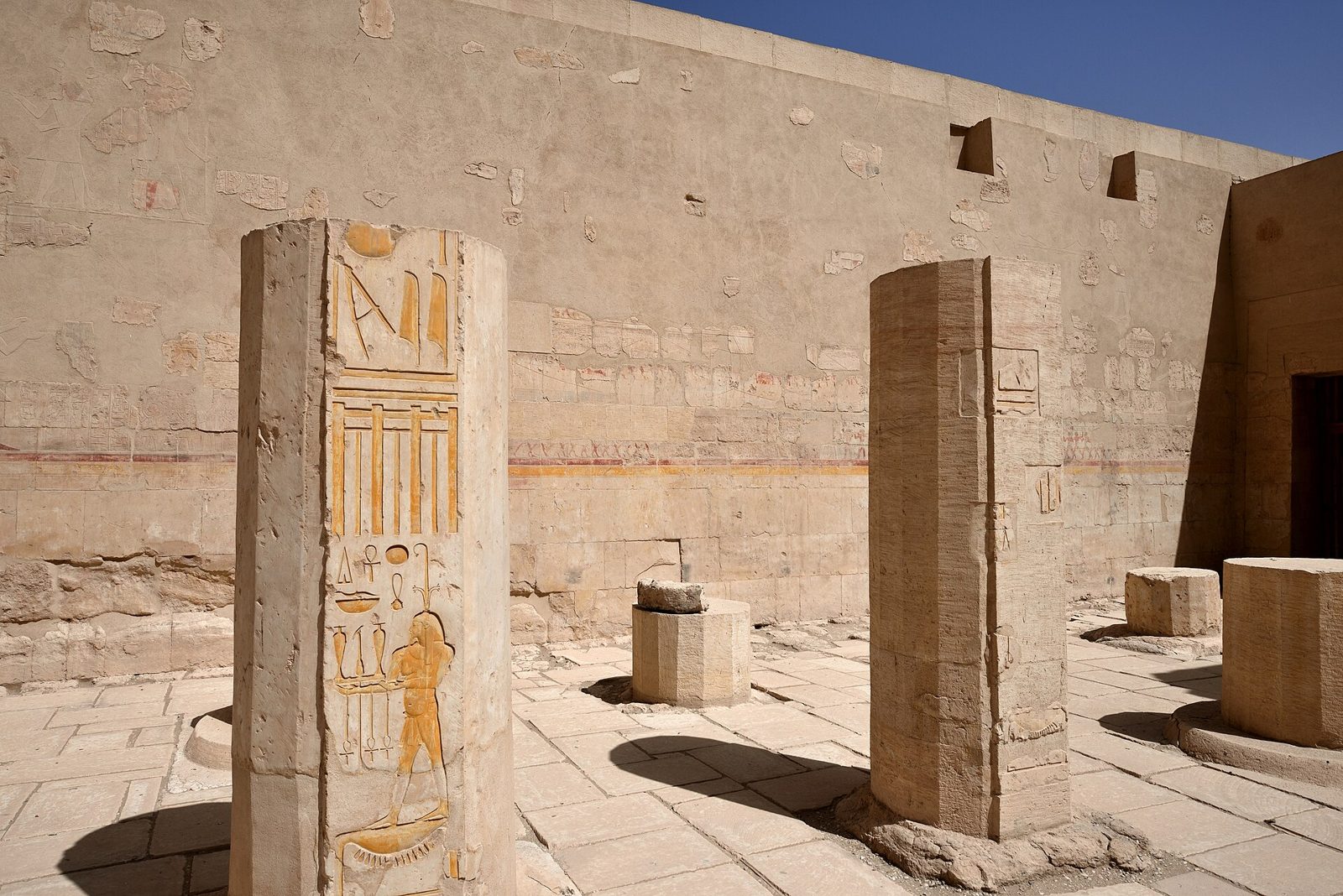
The colonnades and chapels carry the temple's best-known reliefs: two obelisks moved by barge from Aswan to Karnak, the birth of Hatshepsut as the child of Amun, and her trading expedition to Punt, which brought back gold, ebony, myrrh and living myrrh trees.
| Summer | 6:00 am · last entry 5:00 pm |
|---|---|
| Winter | 6:00 am · last entry 4:00 pm |
| Ramadan | 6:00 am · last entry 4:00 pm |
The Ministry's monuments website gives 6:00 am to 5:00 pm daily.
Ministry of Tourism and Antiquities ticketing portal, checked August 2026
| Adult | Student | |
| Ticketing portal (price charged at booking) | EGP 440 | EGP 220 |
| Ministry monuments website | EGP 360 | EGP 180 |
Prices in Egyptian pounds, as of August 2026
| Luxor hotels to the Colossi of Memnon | 14.9 km · about 18 min |
|---|---|
| Colossi of Memnon to the temple | 4.3 km · about 8 min |
Without traffic, from our tours' map routing
Our West Bank tours stop at the Colossi of Memnon on the way, visit the temple, then drive 6.3 km, about 16 minutes, to the Valley of the Kings; entry is included. The temple is also on our full-day Luxor tours and on day trips from Aswan, from Marsa Alam by road and from Sharm El Sheikh by plane (flights not included).
The coolest months are December to February.
World Meteorological Organization climate normals (monthly averages, not forecasts)
Hatshepsut, who ruled Egypt as king c. 1473–58 BCE. Her architect Senenmut designed its colonnades and courts on three levels.
She was a woman who took the full titles and regalia of a pharaoh and ruled as the dominant king beside Thutmose III. Her reign was mostly peaceful and built on trade, like the expedition to Punt carved in this temple.
Official sources differ: the Ministry's ticketing portal charges EGP 440 for foreign adults and EGP 220 for students, while its monuments website lists EGP 360 and EGP 180.
From 6:00 am, with last entry at 5:00 pm in summer and 4:00 pm in winter and Ramadan, per the Ministry's ticketing portal.
6.3 km, about 16 minutes by car without traffic.
It is Arabic for "northern monastery," after a monastery built on the site in the 7th century CE.
Sources: Encyclopaedia Britannica; Egypt's Ministry of Tourism and Antiquities; UNESCO World Heritage Centre; World Meteorological Organization.
Guides
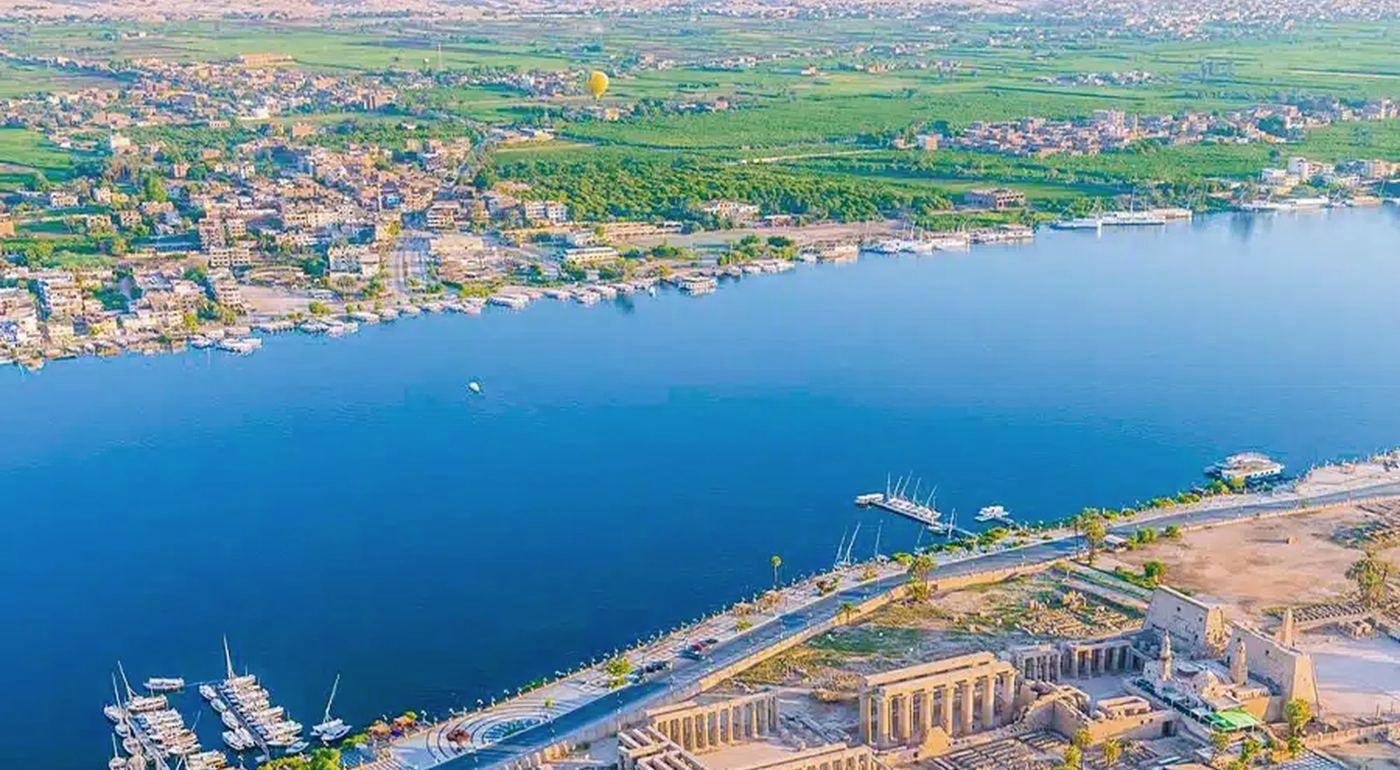 West Bank or East Bank: how to split a Luxor dayWhich sites sit on each bank of the Nile, and how our Luxor day tours divide them.
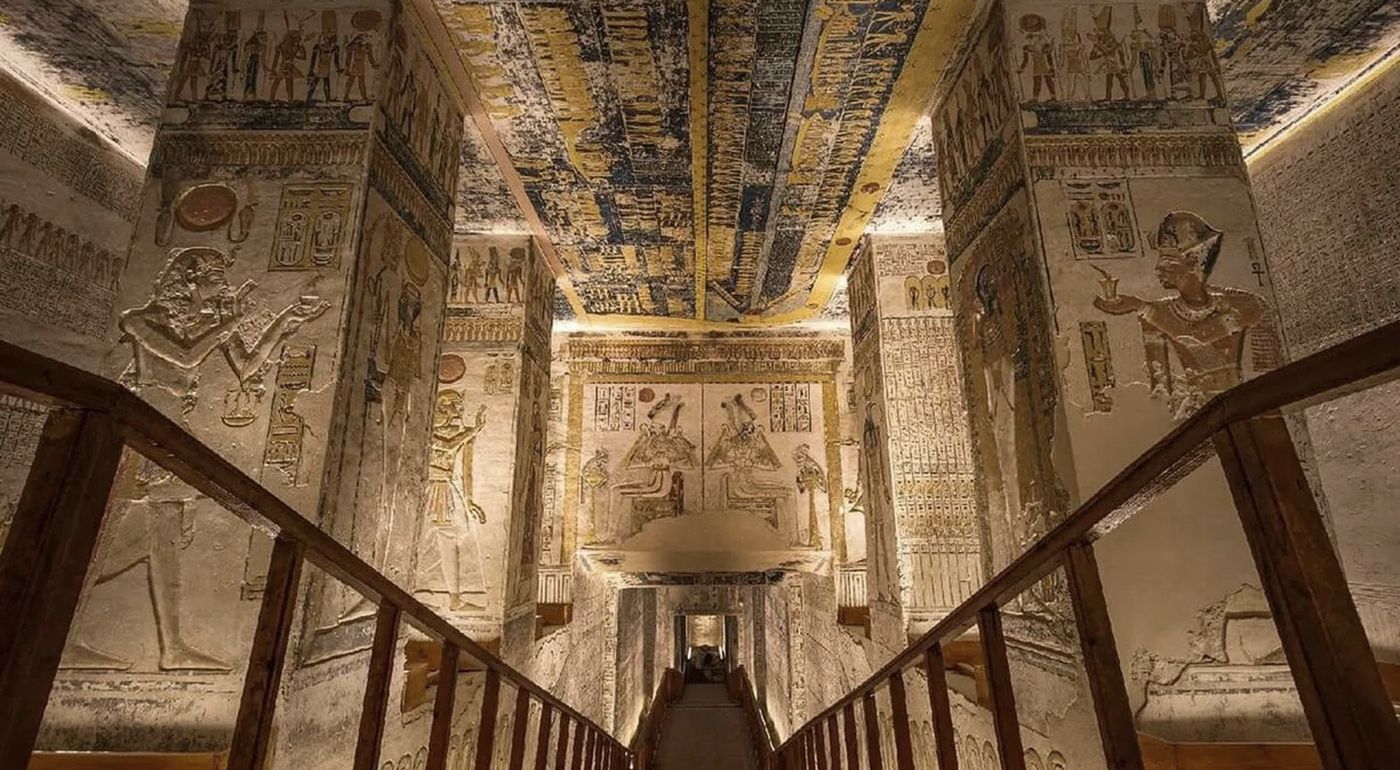 Valley of the Kings: tickets and tombs for a day visitThe general ticket, the tomb tickets our tours leave out, and where the valley falls in each day.
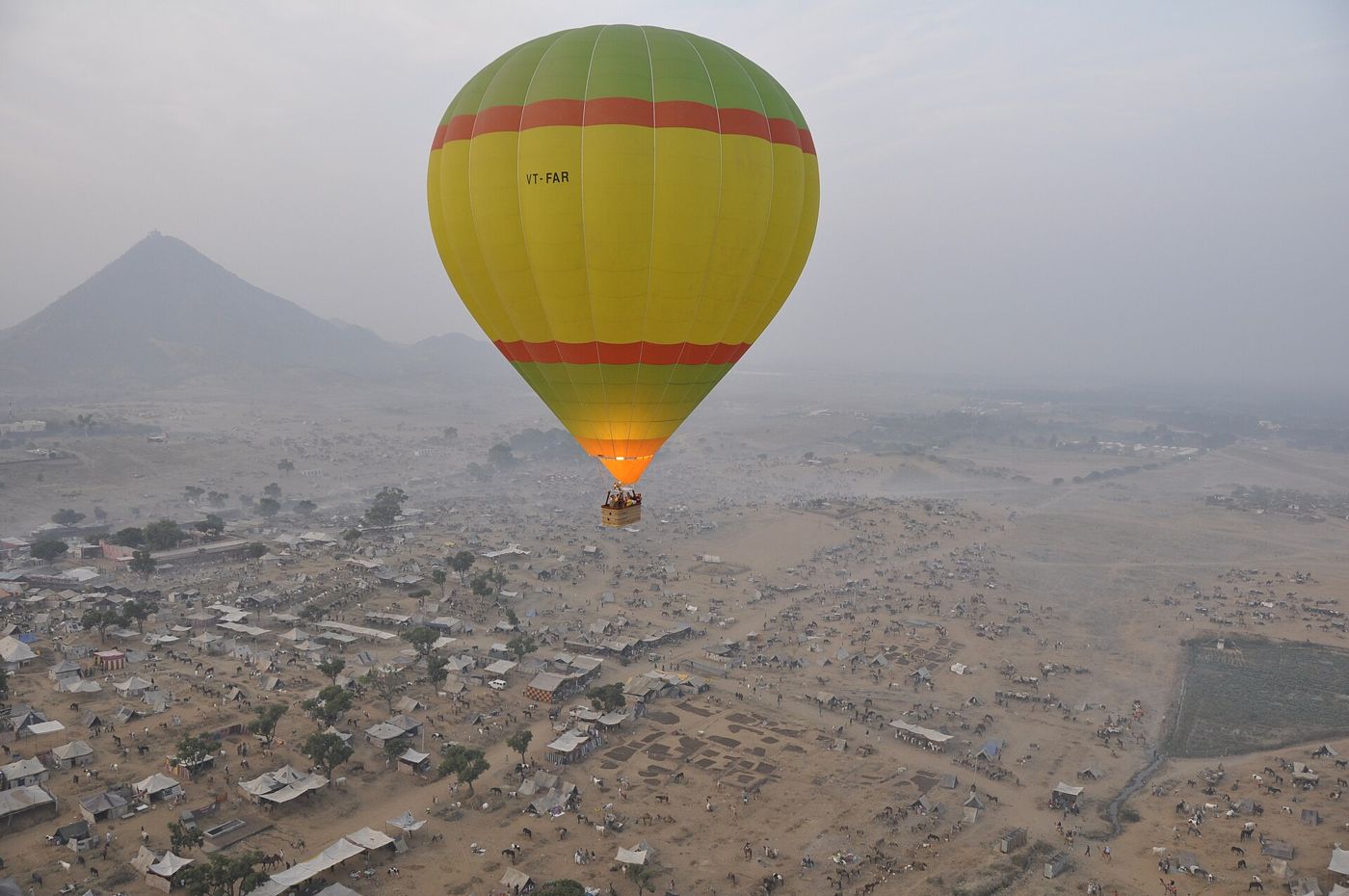 Luxor hot-air balloon: what the morning looks likePickup before sunrise, the ferry, the flight over the West Bank, what is included and how cold it gets.