- A pyramid was a royal tomb built so the dead king could live on: the burial, the offerings and the cult were one design.
- The shape recalls the primeval mound of creation and the rays of the sun, and the benben stone of Heliopolis.
- The builders were organized crews, fed and housed by the state, not slaves; their town and cemetery were excavated at Giza.
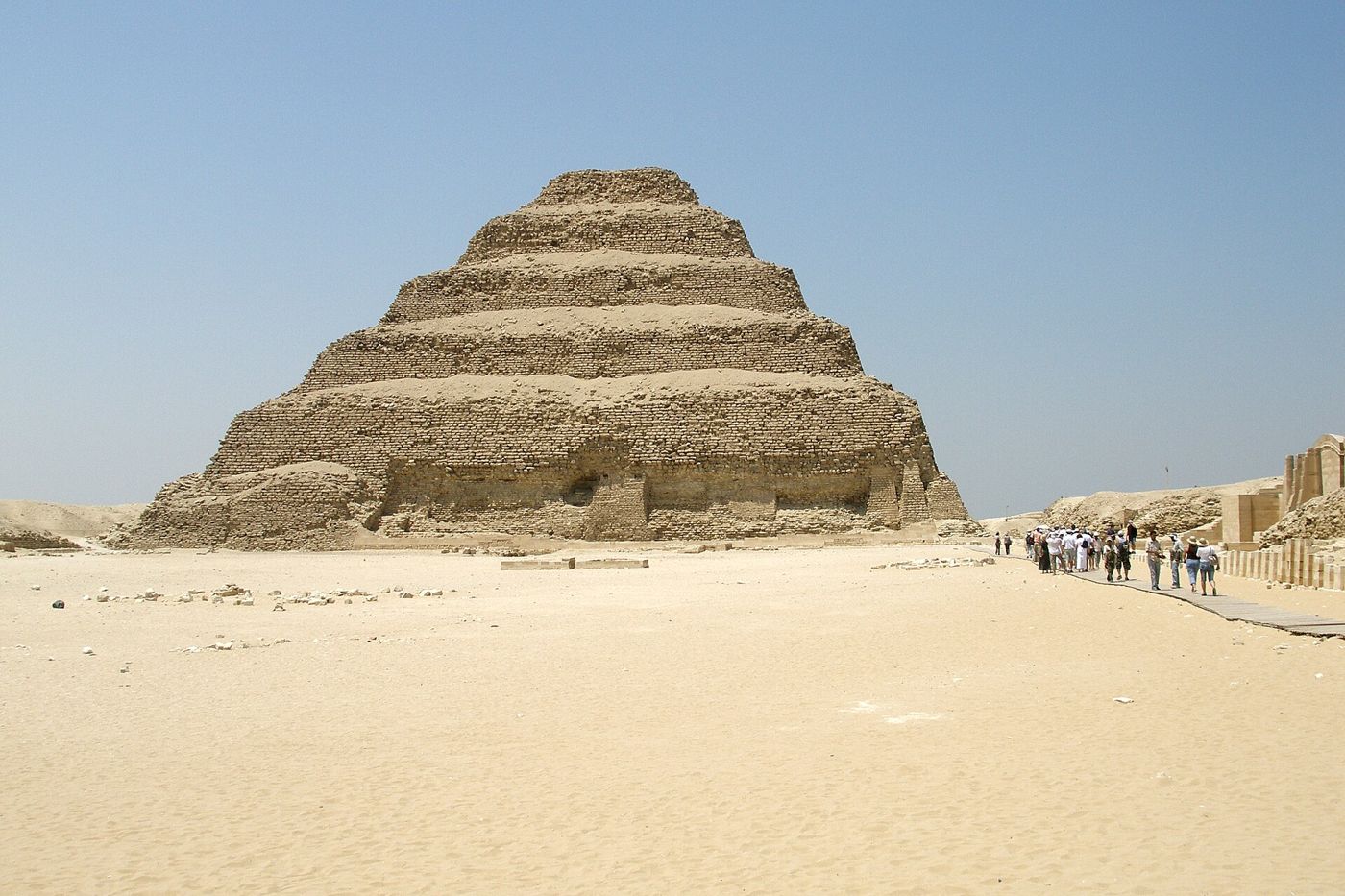
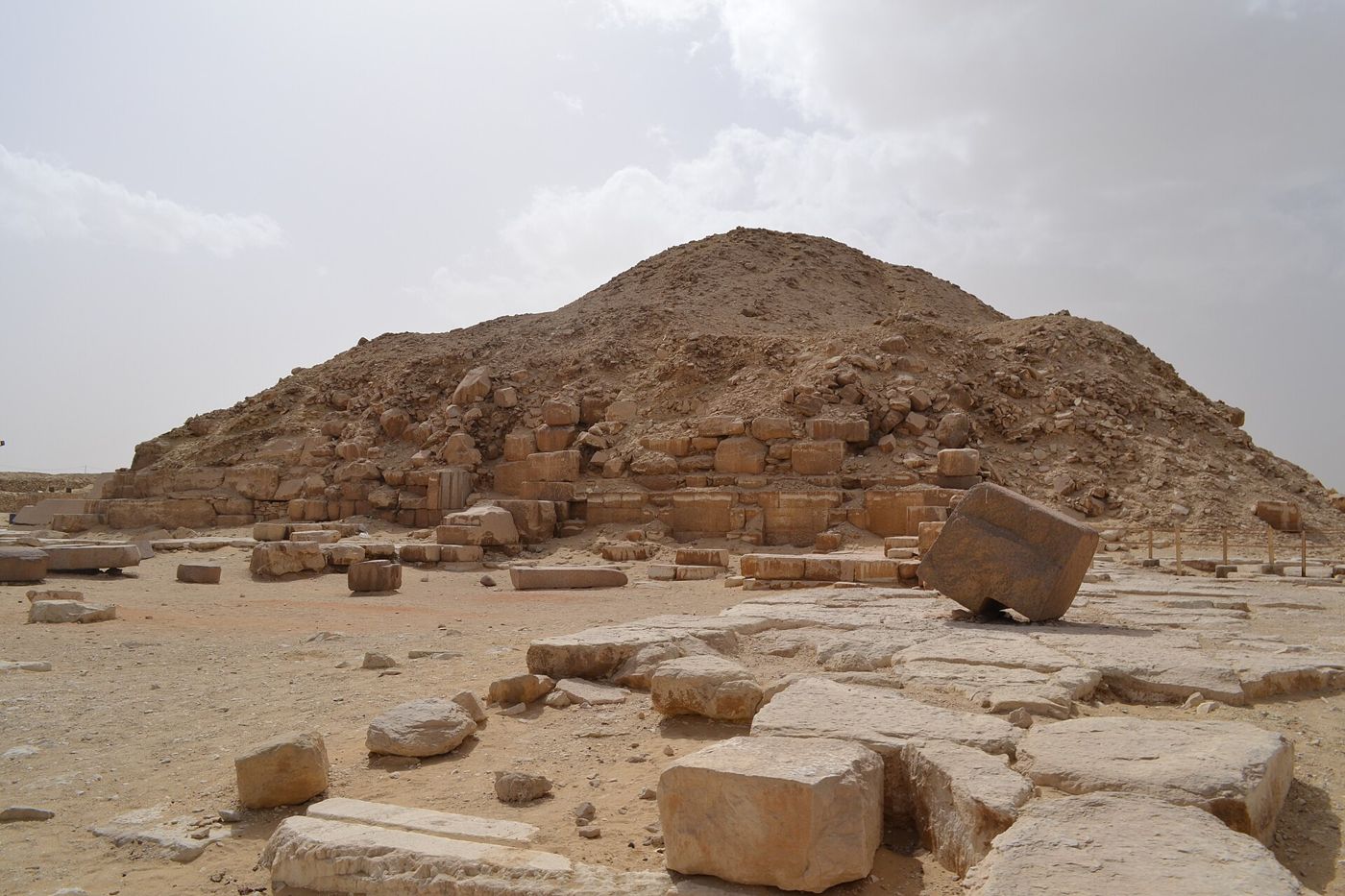
- The form grew from Djoser's Step Pyramid at Saqqara through Sneferu's pyramids at Meidum and Dahshur to Khufu's at Giza.
Ask why the Egyptians built pyramids and you will get three kinds of answer. The short one is that a pyramid was a royal tomb. The longer one is that it was a machine for turning a dead king into an immortal one, built out of belief, administration and geometry at a scale no society had attempted before. The third kind of answer, the one about aliens, power plants and grain stores, is the only one with no evidence behind it at all.
This guide takes the question seriously: what the Egyptians believed happened after death, why that belief required a monument, what the pyramid shape meant, how the form developed from a flat-topped tomb into the Great Pyramid, who did the building, and why Egypt eventually stopped.
What the Egyptians Believed Happened After Death
The Parts of a Person
Egyptian thought divided a human being into several parts. The body was one. The ka was the life force that needed food, drink and a place to return to. The ba, often shown as a bird with a human head, could leave the tomb and come back. The akh was what a person became if the funeral worked: an effective, transfigured being among the gods.
All of that depended on a preserved body in a protected place, with offerings arriving regularly. A tomb was not a full stop; it was an address.
Why the King Needed More
An ordinary Egyptian needed a grave, a coffin and a family to bring offerings. A king needed more, because his afterlife was not a private matter. The king was the link between the gods and Egypt, the one who kept order in place of chaos, and his survival after death was understood as a public necessity. A royal tomb therefore had to be permanent, defensible and attached to a cult that would feed him forever.
The Sun and the Stars
Two ideas about where the dead king went run side by side in the texts. In one he joins the circumpolar stars, which never set and therefore never die. In the other he joins the sun god and travels the sky with him by day and the underworld by night. Both ideas leave marks on the architecture: the north-facing entrance passages and the shafts aimed at particular regions of sky, and the solar symbolism of the pyramid itself.
What the Pyramid Shape Meant
A Mound and a Ray of Light
Two images sit behind the form. The first is the primeval mound, the first ground to rise out of the waters at the creation, which made a raised heap the natural shape for a place of rebirth. The second is the sun: a pyramid read as rays of light coming down to earth in solid stone, a ramp by which the king climbs to his father Ra.
The Benben Stone
The oldest version of the idea is the benben, a sacred pointed stone kept at Heliopolis, the sun god's cult center. Obelisk tips and pyramid capstones are both versions of it, and both were sometimes sheathed in gold or electrum so that the first and last light of the day would catch them.
Why White Limestone Mattered
The finished pyramids were cased in fine white limestone and would have been blinding in the sun, visible from a long distance across the valley. The effect was part of the design, not a by-product of it.