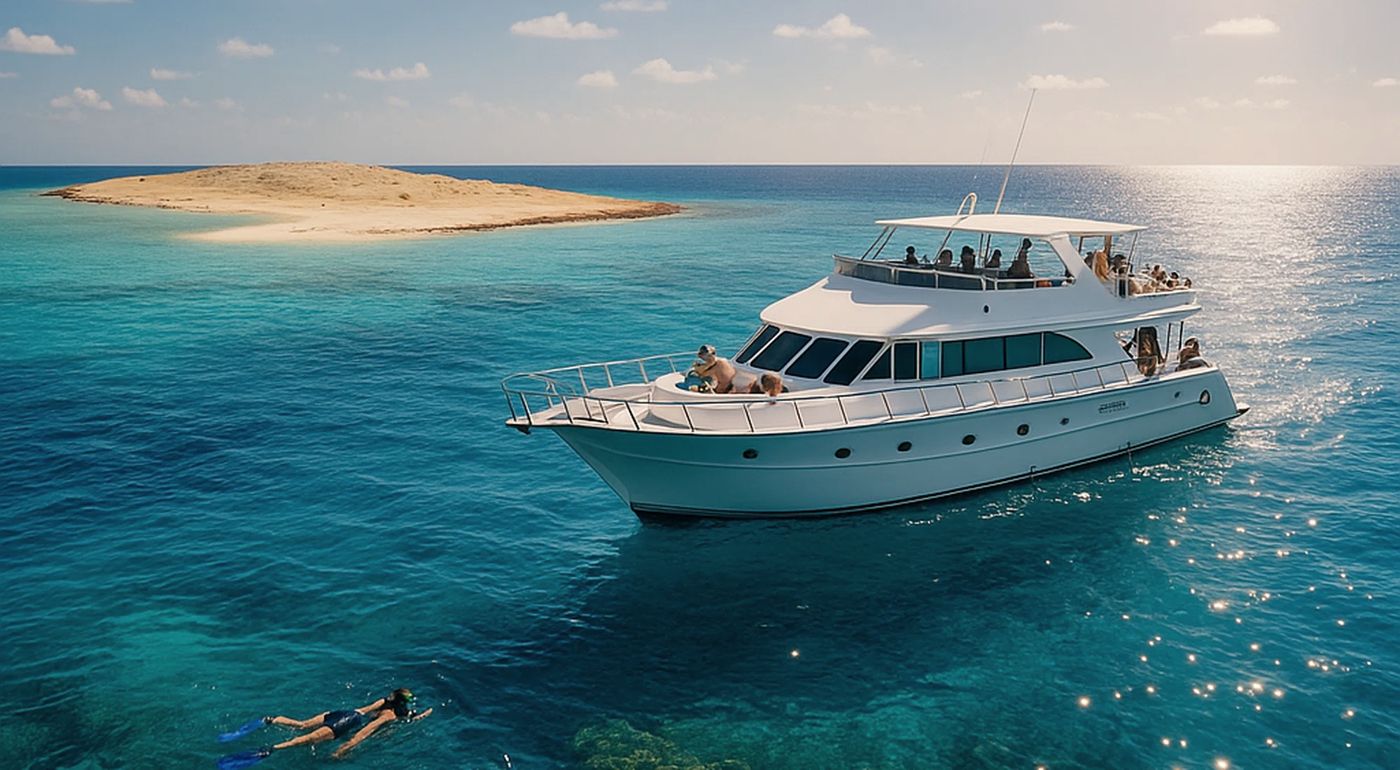
- Reports advise non-swimmers to wear a flotation vest, choose a calm shallow site and join a supervised trip.
- Our snorkeling trips list snorkeling equipment as included; none of the lists mentions life vests, so ask when you request.
- Whether a guide goes in the water with you differs by operator: ask, and say you cannot swim.
- Sea conditions change with wind, and the route and stops can change on the day.
- The Hurghada submarine is the trip with no snorkeling: it goes down to 22 meters below sea level behind large windows.
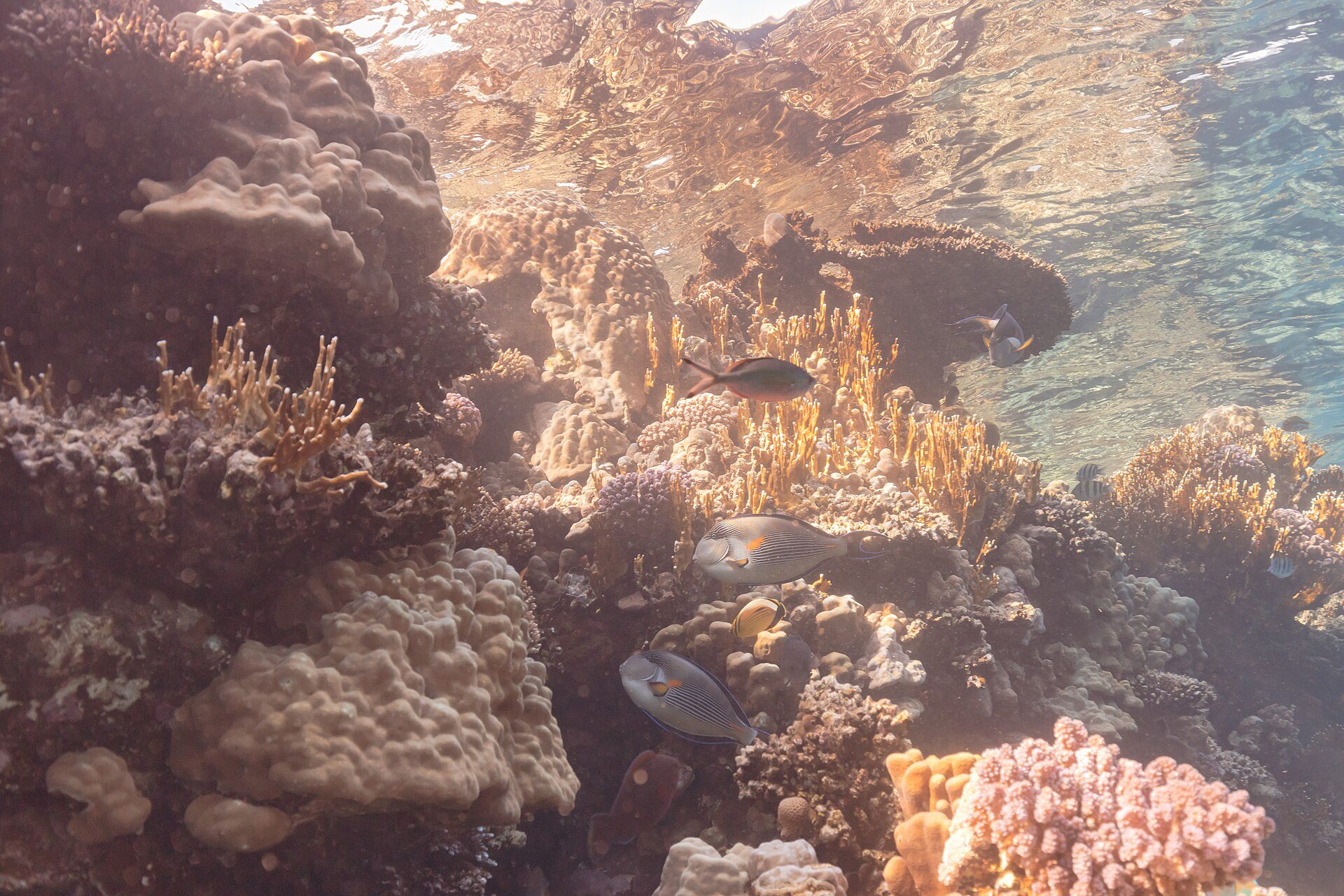
A snorkeling day trip is a day on a boat, or on a shore, where you float face-down at the surface with a mask and a snorkel and watch a reef. Many first-timers and some non-swimmers do it, but the advice is to say so when you request the tour, wear a flotation vest, pick a calm shallow site and go with a supervised group. The Hurghada submarine is the option with no swimming at all.
What follows is what published sources commonly advise, plus what the included lists of our trips say. It is not medical or safety certification advice; the boat crew's briefing on the day comes first.
What a snorkeling boat day involves
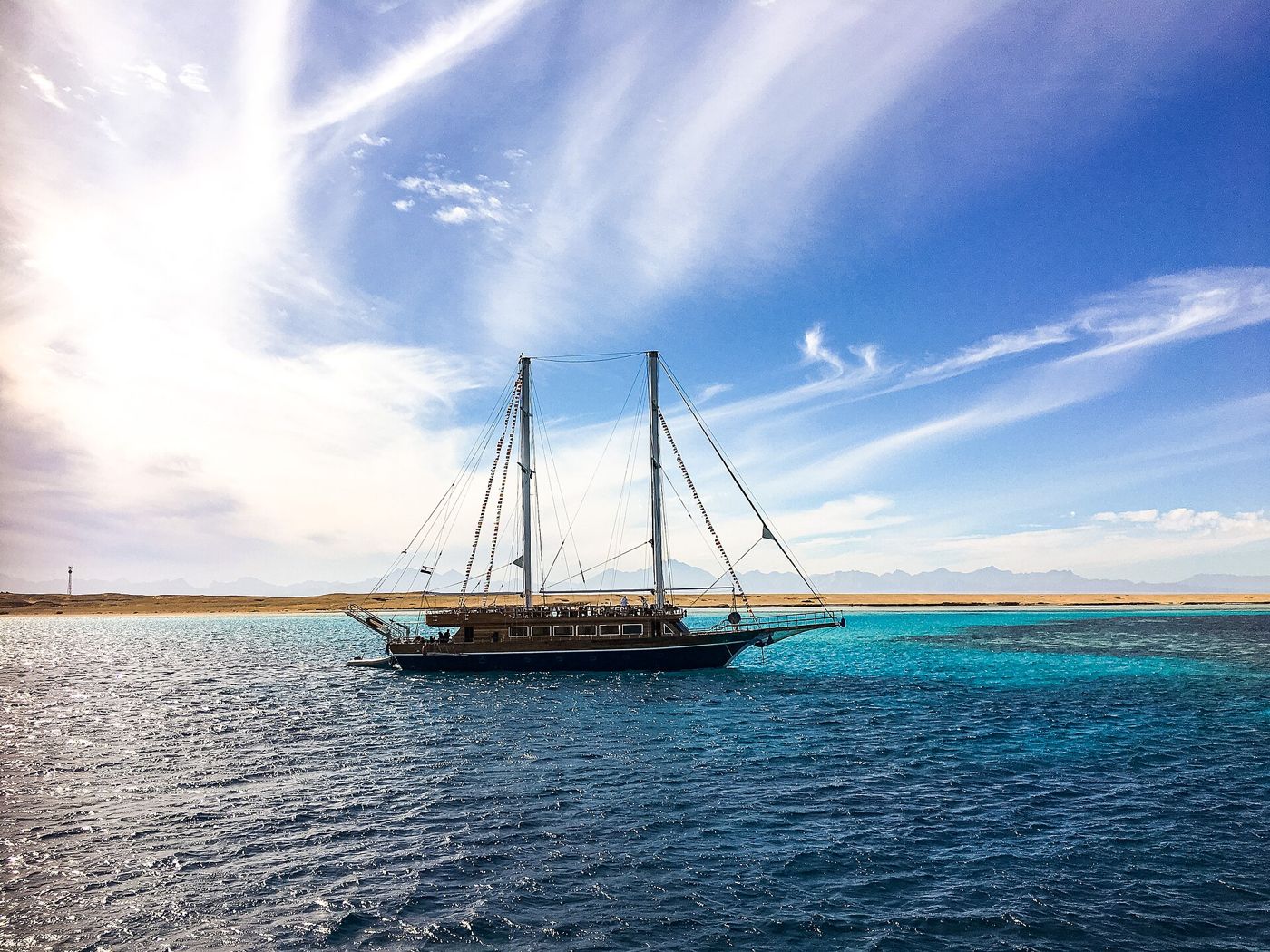
On our full-day sea trips the car collects you at your hotel, a boat takes you to one or more reef stops, lunch is served on board where the tour lists it, and the car takes you back. The Hurghada Giftun trip lists snorkeling at two spots plus time on the beach; the Port Ghalib trip lists a boat trip with 1 to 2 snorkeling stops and a speedboat to a lagoon. Ask whether you can stay on the boat or the beach and skip a stop.
Flotation: vests and aids
Two sources advise that beginners who cannot swim wear a flotation device, and one adds that a snorkel vest lets you float face-down. Red Sea operators describe supplying life jackets, but what is provided differs by boat, and no source found makes them a rule. None of the included lists of our snorkeling trips mentions a life vest, so ask what is on board and whether it fits.