- Lakes and pottery day: about 8 to 9 hours, with Wadi El Rayan first (143.2 km, about 1 h 48 min without traffic) and Tunis Village next.
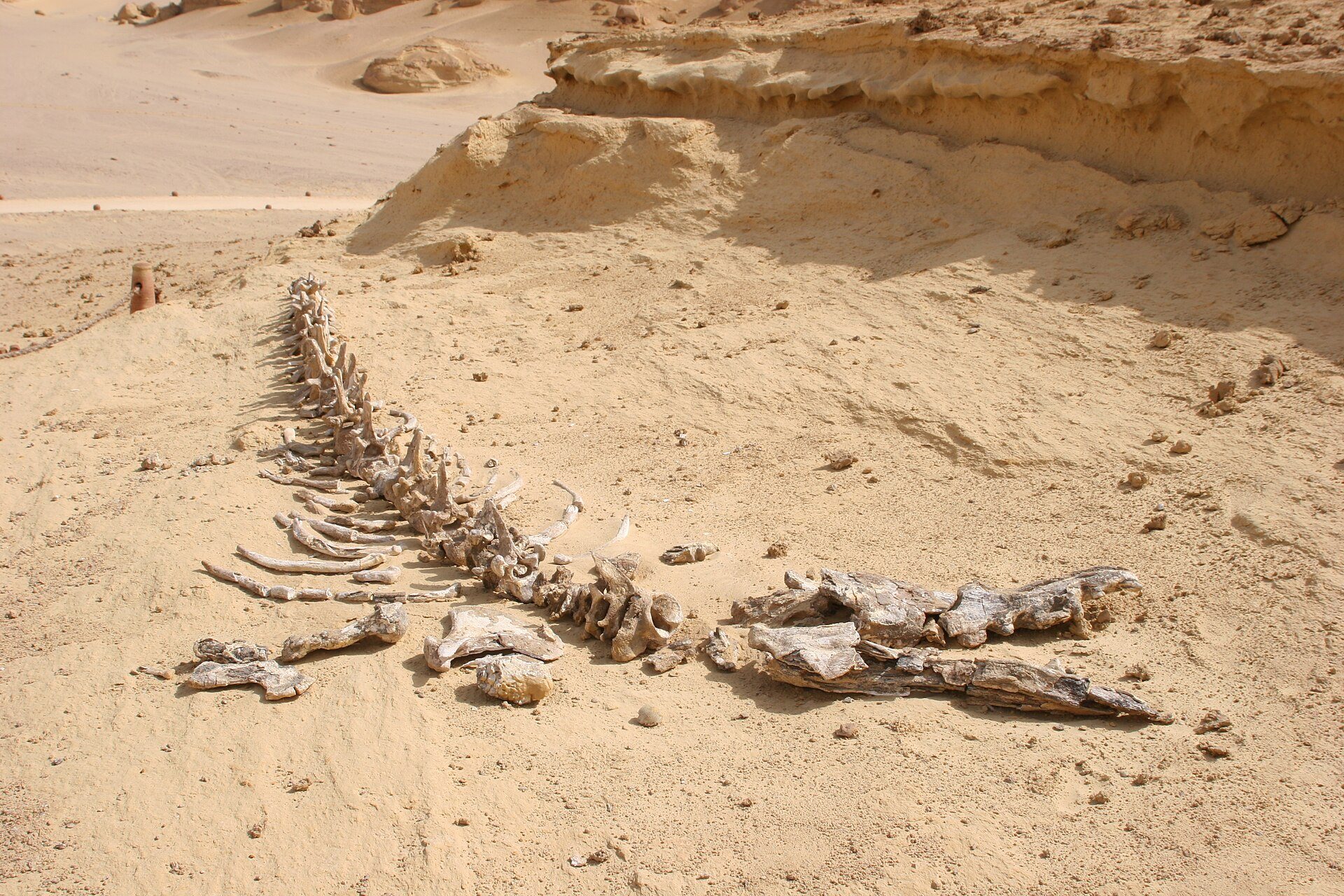
- Whale Valley day: about 10 hours, with Wadi El Hitan 193.3 km from your hotel, about 3 h 39 min without traffic.
- Lunch and an English-speaking Egyptologist are listed on both; the protected-area fee is not included on the Whale Valley day.
- Alexandria from Cairo is a different, longer day, listed at about 11 hours.
Two of our private day trips from Cairo go to the Fayoum area, a green oasis basin southwest of Cairo. The shorter one pairs the Wadi El Rayan lakes with Tunis Village pottery; the longer one drives on to the desert fossil site of Wadi El Hitan. Choose the first for an easier day, the second if the whale fossils are the point.
The two Fayoum days side by side
| Fayoum: lakes, waterfalls and pottery | Whale Valley from Cairo | |
|---|---|---|
| Length, as listed | Full day, about 8 to 9 hours | Full day, about 10 hours |
| Stops in order | Wadi El Rayan waterfalls, Tunis Village pottery workshops, lunch in Tunis Village | Wadi El Hitan, lunch at a local restaurant, Wadi El Rayan lakes |
| First drive from your hotel, without traffic | 143.2 km to Wadi El Rayan, about 1 h 48 min | 193.3 km to Wadi El Hitan, about 3 h 39 min |
| Later legs, without traffic | 23 km to Tunis Village, about 25 min; 121.7 km back to Cairo, about 1 h 34 min | 50.1 km to the lakes, about 1 h 51 min; 143.6 km back to Cairo, about 1 h 49 min |
| Guide and lunch | English-speaking Egyptologist; lunch included | English-speaking Egyptologist; lunch included |
| Entrance fees | Included for the sites in the program | The protected-area entrance fee is not included and is confirmed with your quote |
Both are private, start at your Cairo or Giza hotel, and are newer tours: the program follows how the market runs the day and is confirmed with the supplier when you request a quote. The Whale Valley day has no approximate price on its page.
What Wadi El Rayan is
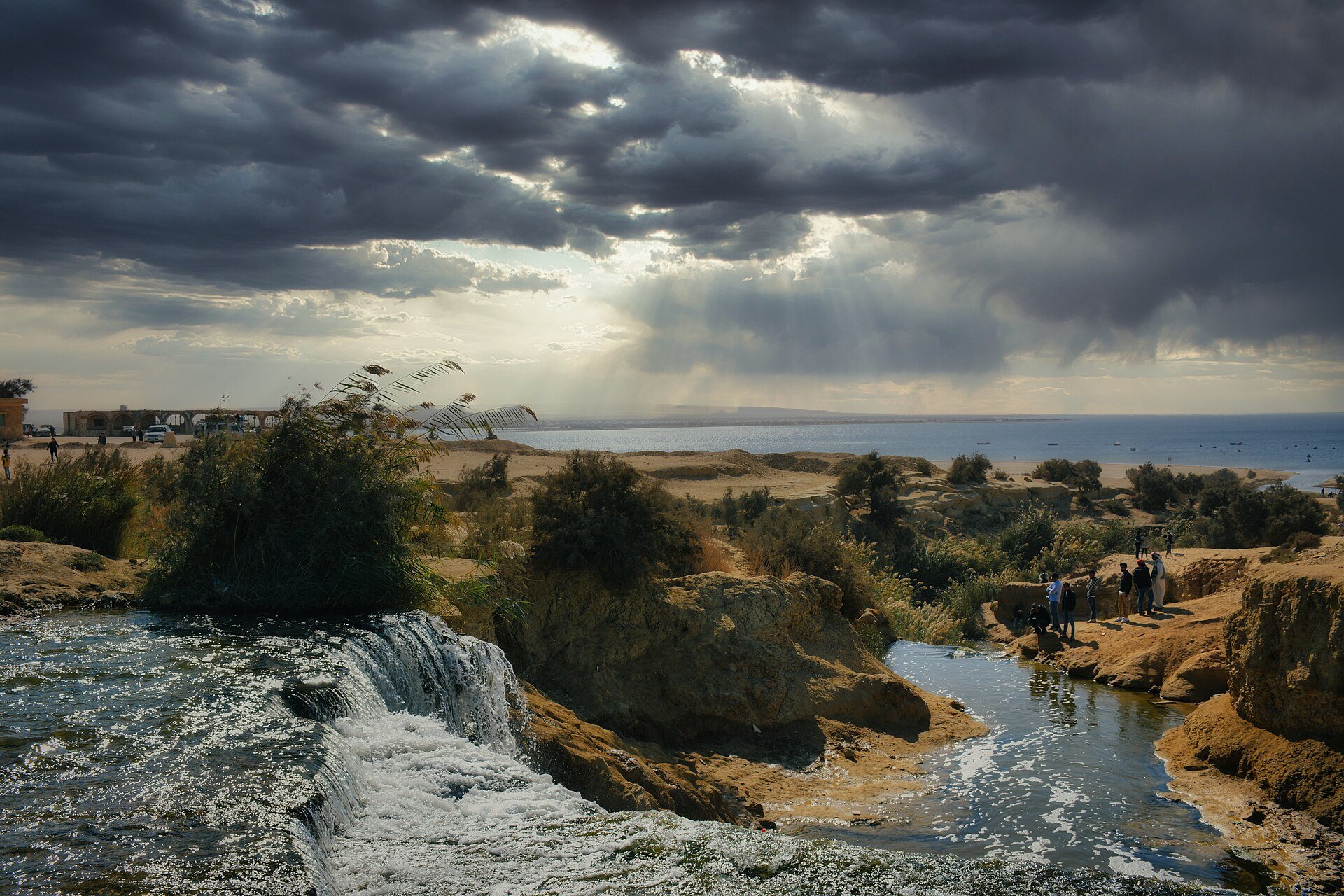
Wadi El Rayan is a depression in the desert west of the Fayoum oasis, with two lakes made from agricultural drainage water. The upper lake sits higher than the lower one, so water drops over several falls along the canal between them, each several metres high and half hidden behind reed-lined bends. It is a nature protectorate, home to wildlife such as the slender-horned gazelle.
Web sources differ on how to describe the falls: some call them the largest in Egypt, one calls them the only ones, and one adds that they would disappear if the two lakes reached the same level. That is a reason to ask about current conditions when you request the tour, not a reason to skip it.