Home / Guides / Cairo & Giza

Cairo & GizaPlan your Cairo day

Best time of day to visit the Giza pyramids

Opening hours, the 4 p.m. cutoff, Ramadan hours, monthly temperatures and the evening show.

Written by Mahmoud Barakat · Reviewed by Nourhan El Sayed · Checked October 12, 2026 · 5 min read

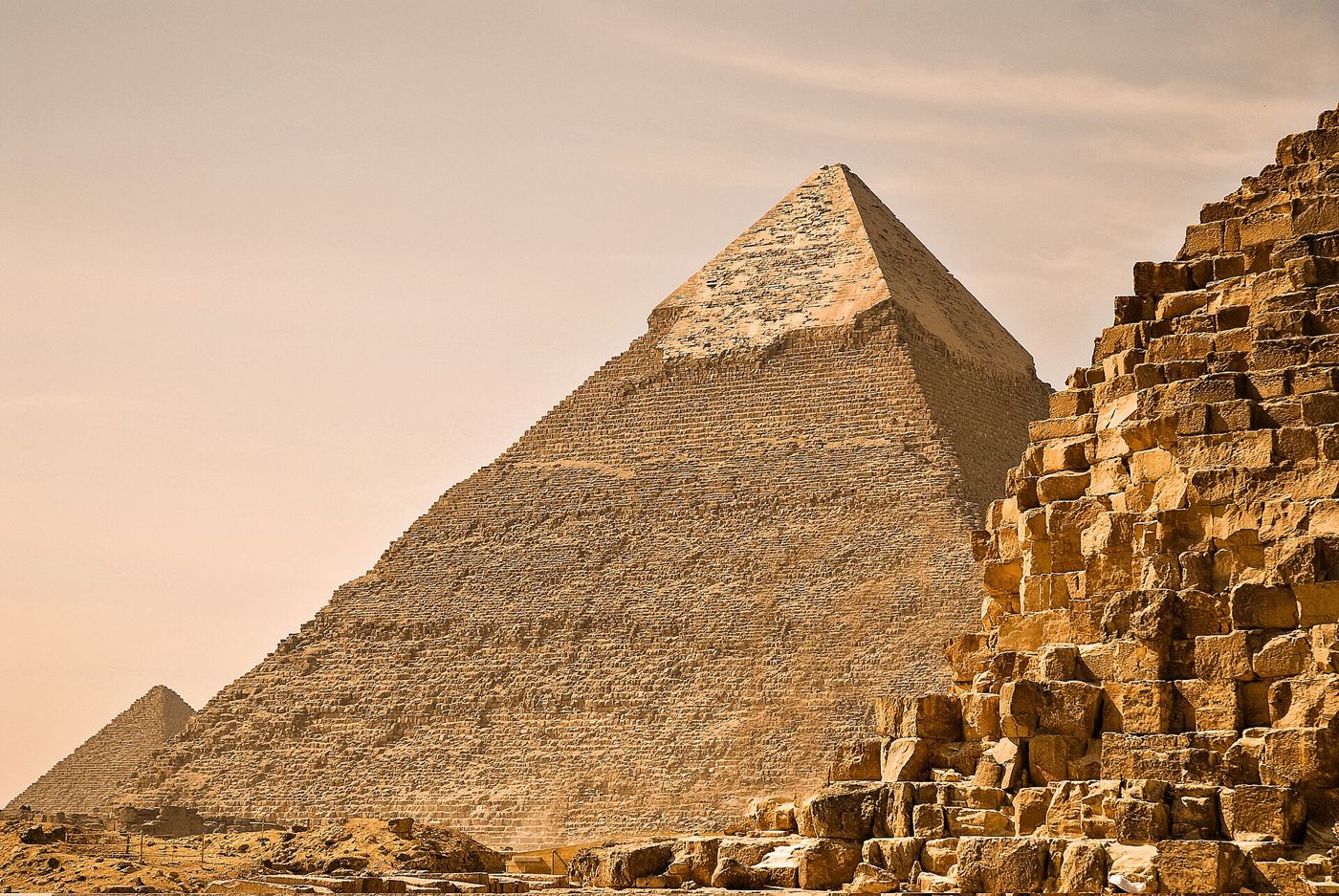
The Pyramid of Khafre in warm afternoon light
In short
  • The plateau opens at 7 a.m. per the Ministry's ticketing portal and 8 a.m. per its Giza site page; both end the day at 4 p.m.
  • During Ramadan: 8 a.m., with last entry at 3:30 p.m.
  • The Ministry advises arriving at least one hour before a site's closing time.
  • Cairo's average daily high is 34.5-34.8°C in June, July and August, and 19.0-20.4°C from December to February.
  • After dark, our sound and light show tour takes you to the plateau with an evening hotel pickup.

Plan the plateau early in your day, well ahead of the 4 p.m. cutoff. The opening hour depends on which official source you read: 7 a.m. on the Ministry's ticketing portal, 8 a.m. on its Giza site page. In Ramadan (the Muslim month of fasting) the gates close to new visitors at 3:30 p.m. To see the pyramids after dark, take the evening sound and light show. All our Giza pyramids tours are listed in one place.

Opening hours: two official versions

The Ministry of Tourism and Antiquities publishes the Giza plateau's hours in two places, and they don't match. Both are official, so plan around the later opening, 8 a.m., unless you confirm the earlier one. Neither version opens the plateau at dawn. Last entry, the latest time the gate lets visitors in, is 4 p.m. on the portal; the site page gives 4 p.m. as closing time.

SourceOpensEnd of the day
Ticketing portal, summer season7 a.m.Last entry 4 p.m.
Ticketing portal, winter season7 a.m.Last entry 4 p.m.
Ticketing portal, Ramadan8 a.m.Last entry 3:30 p.m.
Giza site page8 a.m.Closes 4 p.m.

The Ministry also advises arriving at least one hour before a site's closing time, so count back an hour from 4 p.m. Ramadan has its own hours at each site, published per site on the ticketing portal.

Where Giza sits in our tours' days

On every one of our full-day Cairo tours that includes Giza, the pyramids are the first stop after hotel pickup, followed by the Great Sphinx; on the full days the Valley Temple, part of King Chephren's funerary complex, and lunch come next. The order suits the hours. On the Grand Egyptian Museum and pyramids tour, the plateau comes first and the museum after lunch: the Grand Egyptian Museum's galleries take visitors until a 5 p.m. last entry, or 8 p.m. on Saturdays and Wednesdays, later than the plateau's 4 p.m. The Pyramids, Memphis and Saqqara tour opens the day at Giza the same way. If you only want the plateau, the Giza pyramids and the Sphinx half day, about 4 hours, covers the three pyramids, a viewpoint on the plateau, the Sphinx and the Valley Temple, which leaves room to go well before the 4 p.m. cutoff.

The times on our tour pages are approximate, so ask for the pickup time when you book. The hotel pickup guide gives the drive to the plateau from three Cairo hotel areas. If you are choosing between Giza and Saqqara for your day, see Giza pyramids or Saqqara.
How long do you need at the Pyramids of Giza?

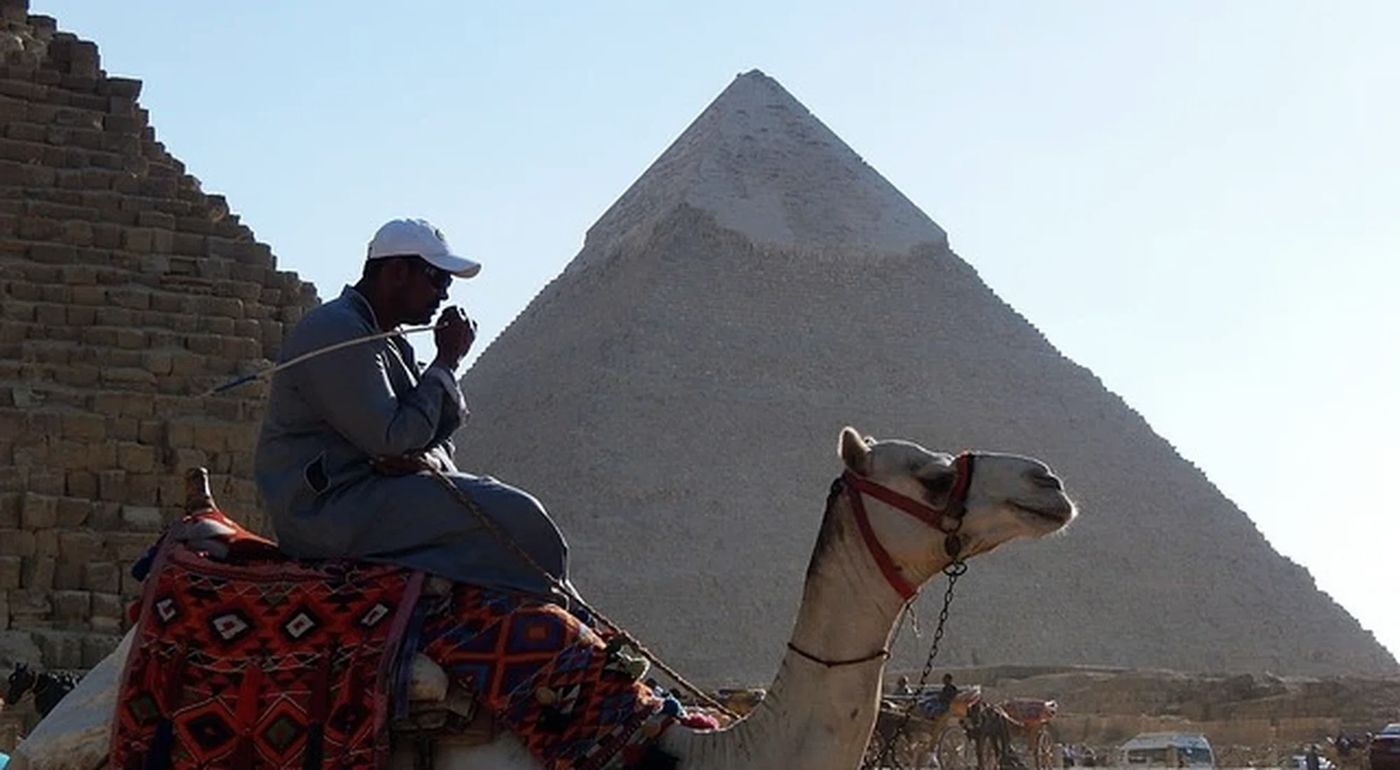
Plan on about 3 to 4 hours for the plateau on its own, for the three pyramids and the Sphinx. Two guides give that range for the main sights, one of them calling it a bare minimum, and a city guide says the pyramids and the Sphinx fit comfortably into half a day. Going inside the Great Pyramid adds about an hour, and a camel ride about another hour, according to one of the guides; photographers and enthusiasts often stay longer, especially around sunset.

The half-day tour above runs about 4 hours from hotel to hotel, drives included, with the pyramids, the viewpoint, the Sphinx and the Valley Temple. The times on tour pages are approximate, so ask what the day allows if you want longer on the plateau. Going inside the Great Pyramid is an optional extra; going inside the Great Pyramid covers it. When you plan a later start, count back from the 4 p.m. close and the Ministry's advice to arrive at least an hour before it.

Temperatures by month

Our climate source, World Meteorological Organization normals supplied by Egypt's national meteorological service, gives the average daily high and low for each month in Cairo. They are monthly averages, not forecasts or records, and not hour-by-hour readings, so they show the range of a typical day rather than the temperature at any one hour.

MonthAverage daily highAverage daily low
January19.0°C9.7°C
February20.3°C10.3°C
March23.4°C12.3°C
April28.2°C15.4°C
May31.9°C18.4°C
June34.6°C21.4°C
July34.8°C22.9°C
August34.5°C23.3°C
September33.1°C21.7°C
October29.7°C19.0°C
November24.7°C14.6°C
December20.4°C11.0°C

From June through September the average high is 33.1°C or more; from December through February it is 20.4°C or less.

After dark: the sound and light show

The plateau's day hours end at 4 p.m., but our pyramids sound and light show takes you back in the evening. A representative meets you at your hotel in Cairo or Giza. You watch a light and audio show on the Giza Plateau, narrated in the voice of the Sphinx, about the pyramids and the pharaohs. From Downtown or Zamalek the drive is 16.5 km, about 20 minutes without traffic. The tour page shows approximate times only, and our checked sources don't give the show's schedule, so ask for the pickup time when you book. In winter, note the lows in the table: 9.7°C on average in January. Other evening tours are on the evenings page.

A late-day ride with the pyramids in view

The quad bike ride at the Giza pyramids is offered as an afternoon or sunset ride, with no start time stated. It is about two hours of riding in the desert with the pyramids of Cheops, Chephren and Mycerinus in view, after a safety briefing from a Bedouin desert guide. Its included list has no entrance ticket to the plateau.

How do you visit the pyramids without crowds?

Travel guides customarily advise arriving at opening, ahead of the tour groups, and leaving before midday. They disagree on the hour the buses arrive, and no official source publishes crowd figures, so treat this as custom rather than a rule. Weekdays and the hotter months are also commonly described as quieter.

Planning this day?

Ask us before you book

Tell us your date, your group and your hotel. We reply with the price and the plan for your day.

WhatsApp