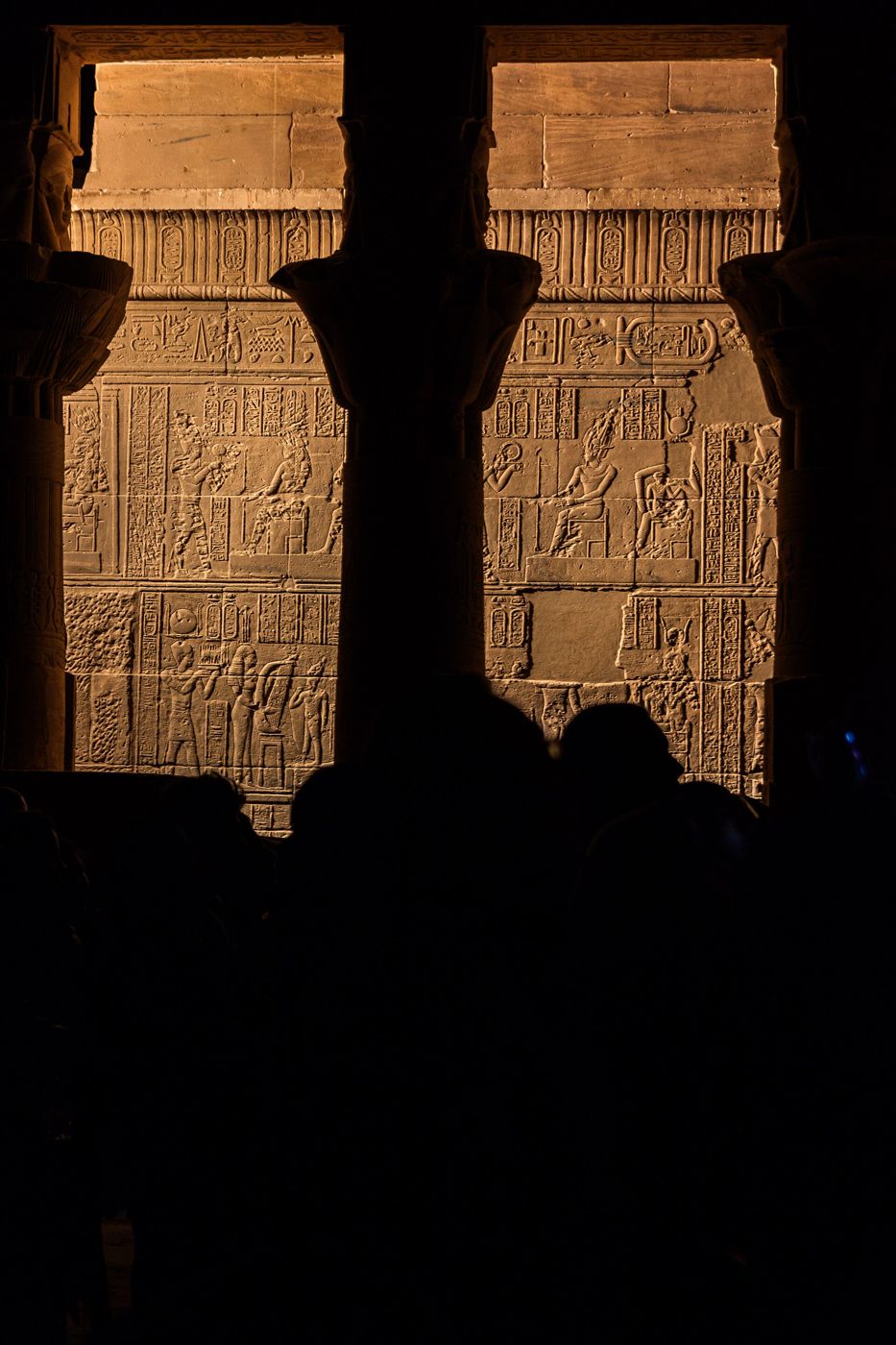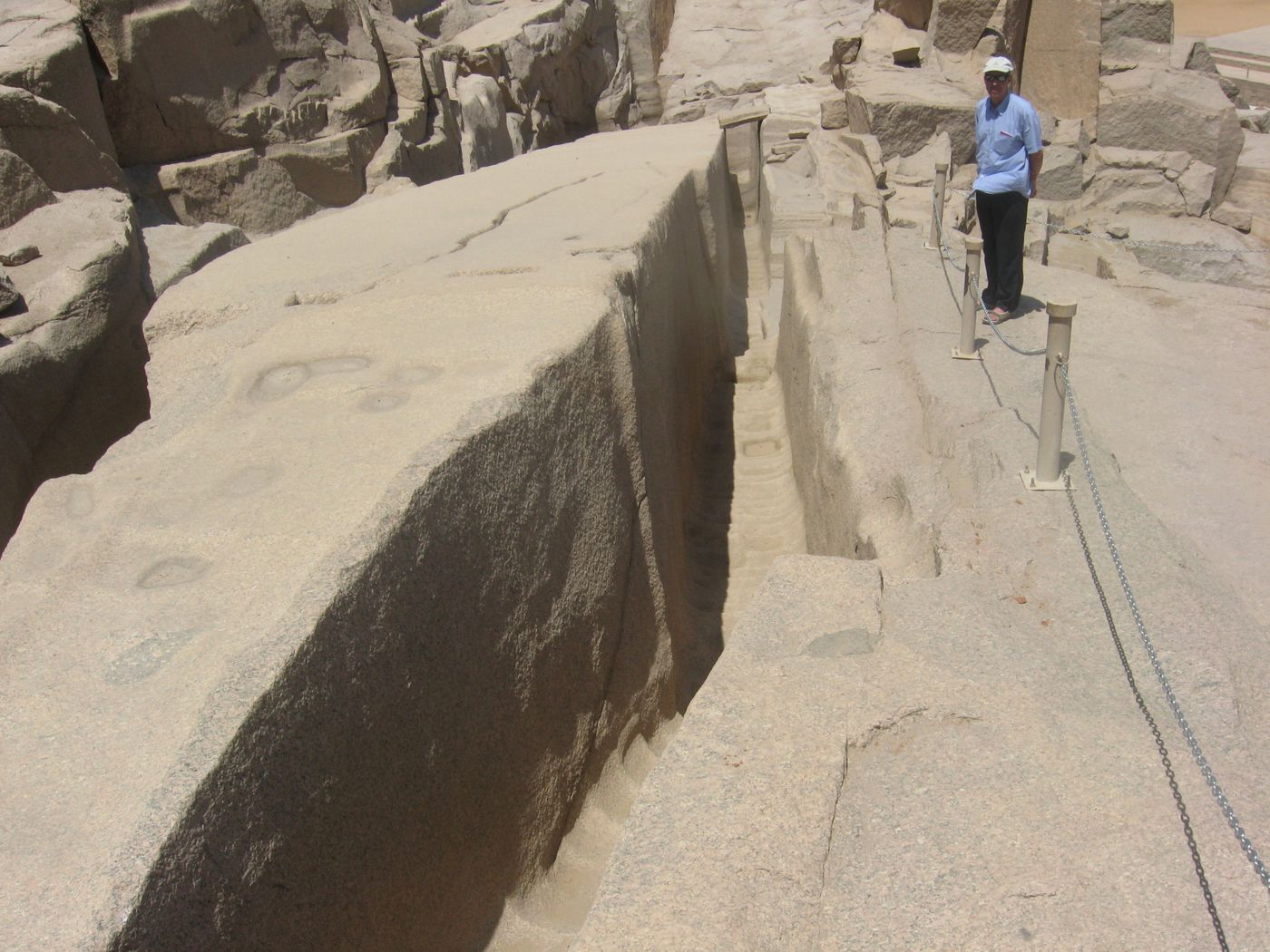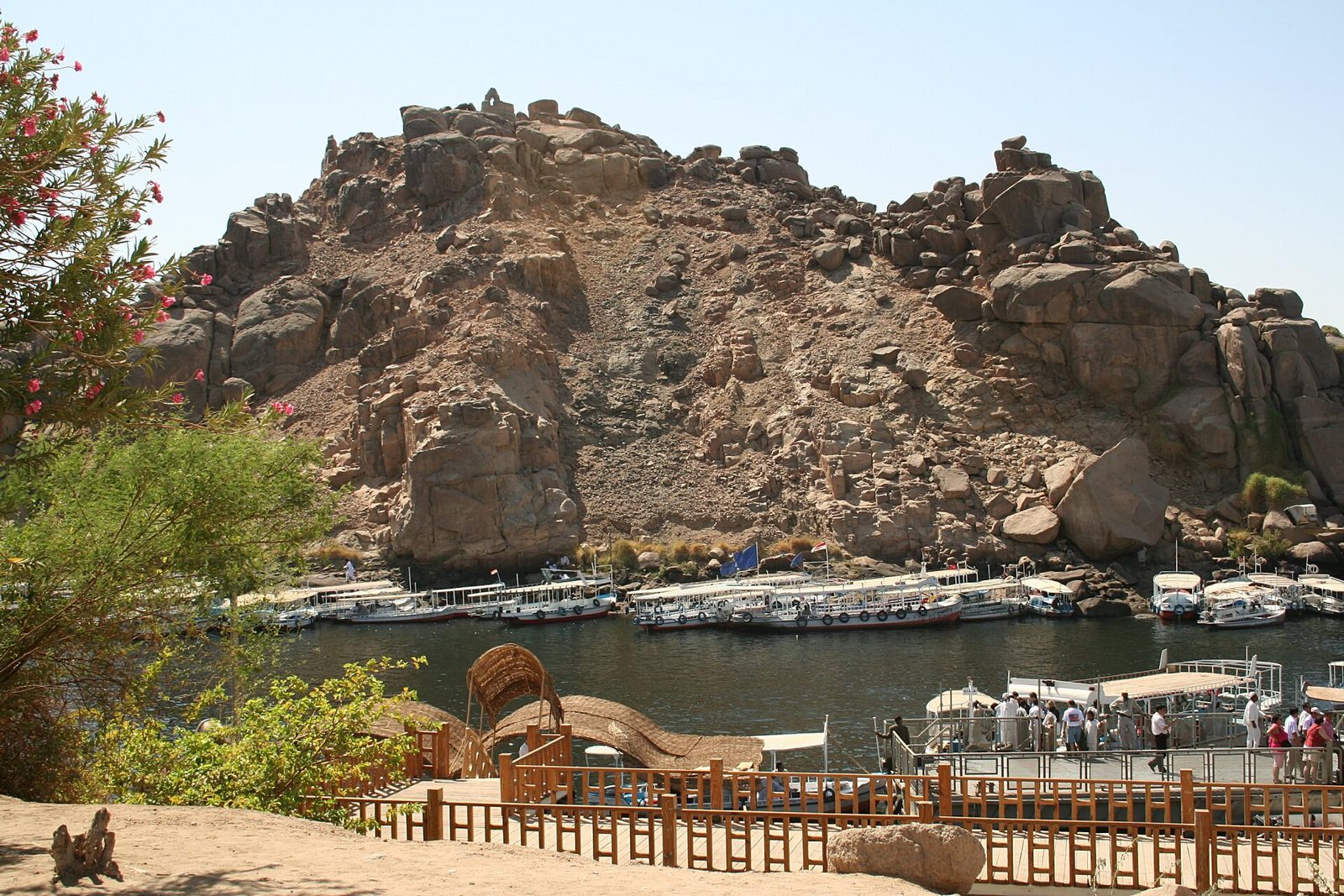
- Elephantine is the island in the Nile directly opposite Aswan town, not the island of Philae.
- Its southern end is an excavated town mound with temples of Satet and Khnum, the shrine of Heqaib and a nilometer.
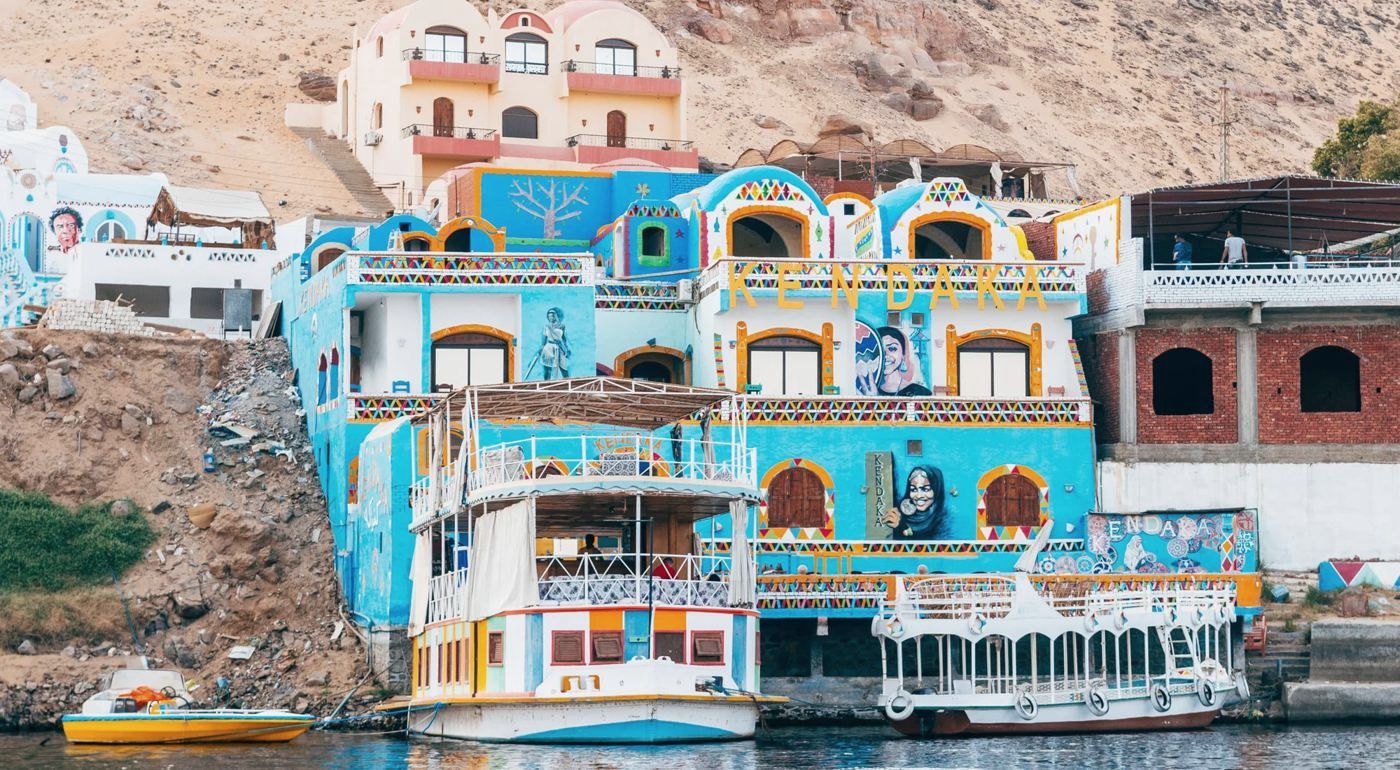
- Two Nubian villages, Siou and Koti, fill the rest of the island, with car-free lanes and guest houses.
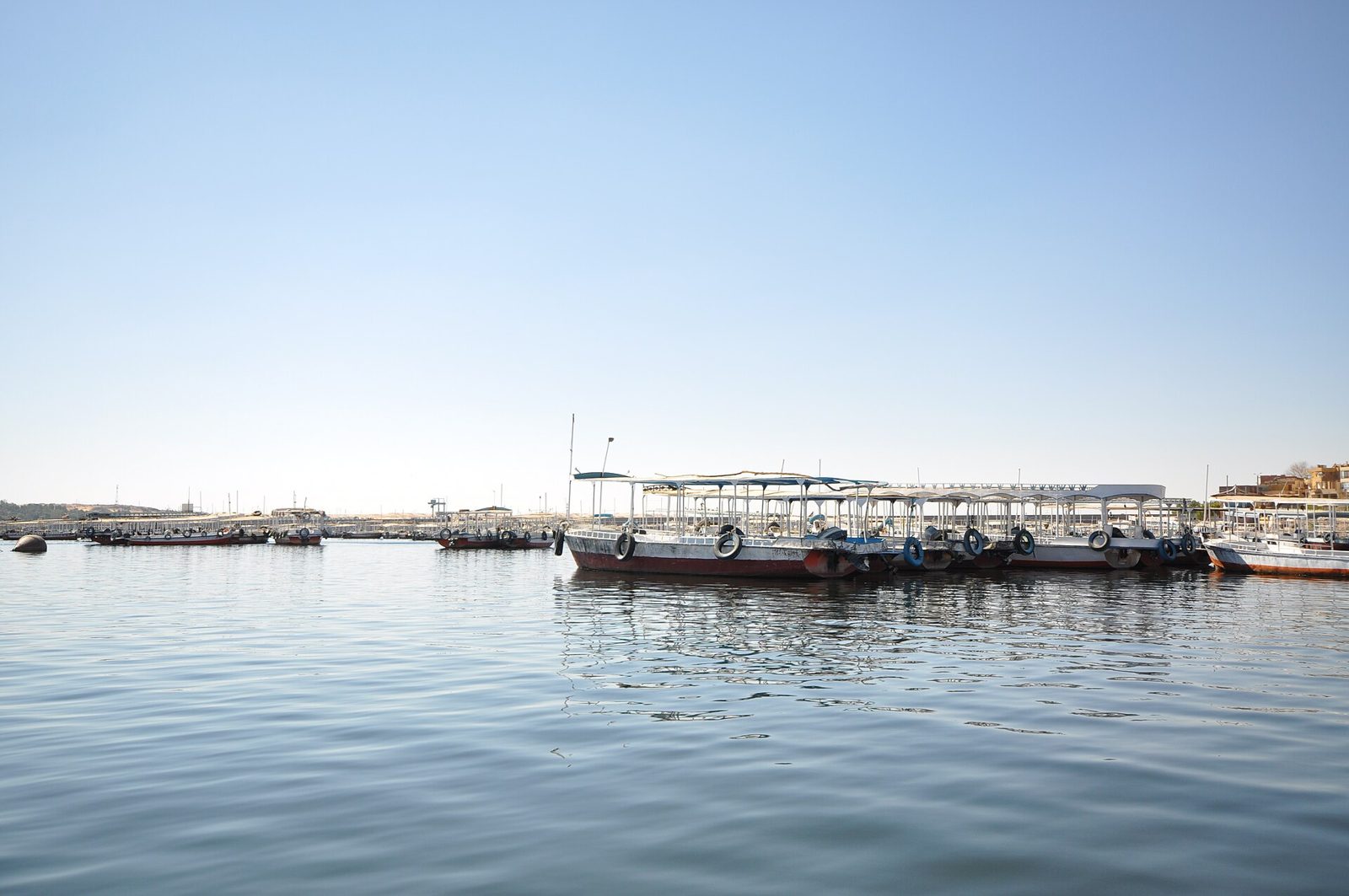
- Public ferries and private boats cross from the Corniche; the ruins have their own ticket at the site gate.
Elephantine Island sits in the middle of the Nile directly opposite Aswan town, close enough that you can watch people walking on it from the Corniche. It holds two things that have almost nothing to do with each other: at its southern end, an excavated town mound with thousands of years of continuous occupation stacked inside it, and across the rest of the island, two living Nubian villages of painted houses and car-free lanes.
It is a short ferry ride away, it takes an afternoon, and most visitors to Aswan never set foot on it. This guide covers what the island is, what the archaeology shows, the villages and how to visit them properly, and the practicalities of boats.
Where It Is and What It Is
The Setting
Elephantine is a long, narrow island lying in the river between the East Bank town and the desert dunes of the West Bank, just below the First Cataract. The granite outcrops that break the river here are what made this a natural frontier.
The Name
The ancient Egyptian name was Abu, meaning both elephant and ivory, which the Greeks rendered as Elephantine. The likely explanation is the ivory trade that passed through here from Nubia, although the rounded black granite boulders in the river have also been proposed as the source.
A Border Town
For most of Egyptian history this was the southern frontier. Elephantine was the capital of the first nome of Upper Egypt, the garrison that watched the Nubian route, and the customs post where goods coming downriver were taxed. That gave it a mixed trading and military character for thousands of years.
Not Philae
Worth stating plainly, because the two get confused constantly. Philae Temple, the temple of Isis, stands on a different island upstream beyond the old dam, reached by a separate boat from a separate landing, and it was moved in the twentieth century to escape the rising water. Elephantine is the inhabited island opposite the town, with a settlement mound and two villages, and you can see it from your hotel.
The Ruins: The Island's Main Attractions
A Continuously Excavated Site
German and Swiss archaeological teams have worked here for decades, which makes Elephantine one of the most thoroughly documented ancient settlements in Egypt. Unlike a temple, this is a town: houses built on top of houses, streets realigned and walls reused over thousands of years, with the layers recorded one by one.
The Temples
The principal sanctuary belonged to Satet, the local goddess, built and rebuilt from the Early Dynastic period onward around a cleft in the granite. The ram-headed Khnum, creator god of the cataract, had the larger later temple, and together with Satet and Anuket he formed the local triad. A granite gateway from the Macedonian period still stands.
The Shrine of a Deified Official
One of the more unusual things here is the sanctuary of Heqaib, an Old Kingdom official who led expeditions into Nubia and was worshipped after his death by the governors who followed him. Generations of local officials added their own statues and stelae to his shrine, a rare, intimate record of provincial self-promotion.
The Nilometer
A stairway cut down into the rock at the island's eastern edge, with graduated marks on the wall, was used to read the river's level and set the year's taxes. It was maintained and recut over many centuries, and it is the most photogenic thing on the site.
The Aramaic Papyri
Under Persian rule, a Judean military colony was stationed on the island, and a body of Aramaic documents from it survives: letters, contracts, and references to a temple of their god standing here alongside the Egyptian ones. The collection includes legal documents drawn up by and for women, and it is one of the most important sources anywhere for Jewish life outside Judea in that period.
The Museum
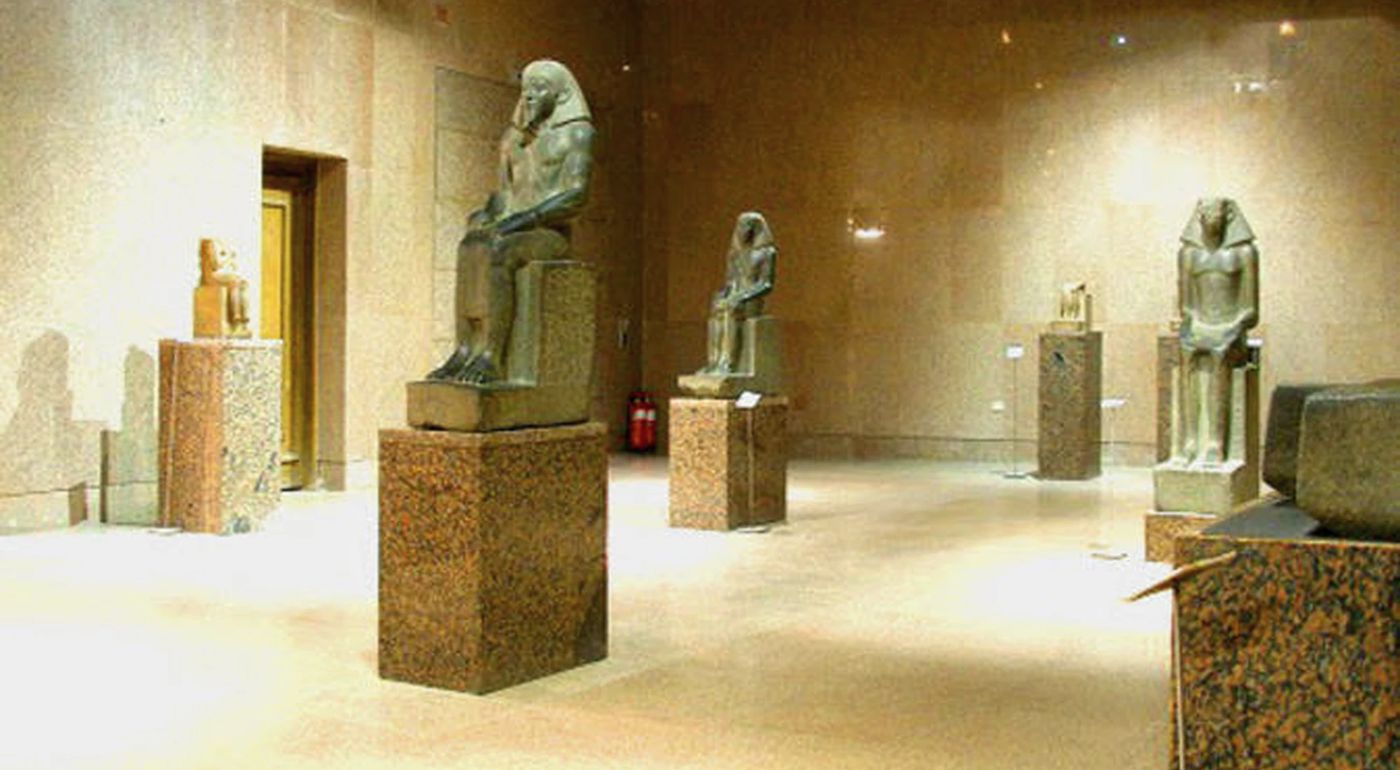
A museum occupies the former residence of the chief engineer of the first Aswan dam, in a garden at the southern end. Its opening has varied over the years, so check at the ticket gate whether it is accessible on the day.