The Temple of Isis
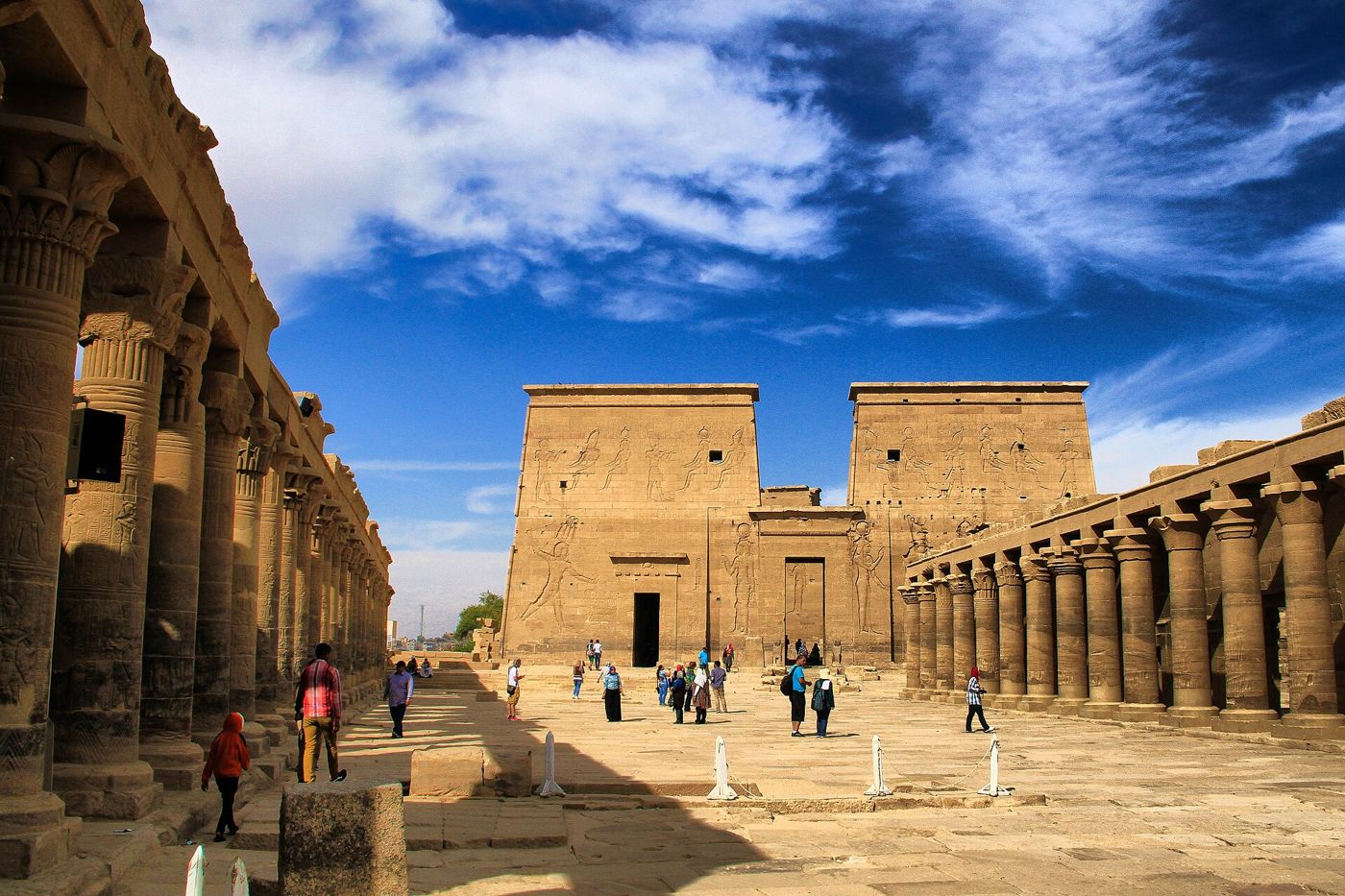
Pylons and colonnades lead to the temple of Isis; in the birth room a scene shows Isis nursing her son Horus in the marshes.
Home / Attractions / Philae Temple
Aswan · Agilkia Island, between the two Aswan dams
The Ptolemaic temple of Isis and the shrines around it, moved from the flooded island of Philae to Agilkia Island in the Nile at Aswan.
Philae Temple is the temple of the goddess Isis, mother of Horus, begun by Ptolemy II Philadelphus, with smaller temples, gates and kiosks around it, most of them from the Ptolemaic period. It stands on Agilkia Island in the Nile, between the old Aswan Dam and the High Dam, and is reached by boat.
It was one of the last temples of the old Egyptian religion to stay active, until the Byzantine emperor Justinian I had it closed and turned into a church, and the last dated hieroglyphic inscription was carved here in 394 CE. It is part of the UNESCO World Heritage site Nubian Monuments from Abu Simbel to Philae, inscribed in 1979.
The boat to the island is part of our Aswan day tours.
Pylons and colonnades lead to the temple of Isis; in the birth room a scene shows Isis nursing her son Horus in the marshes.
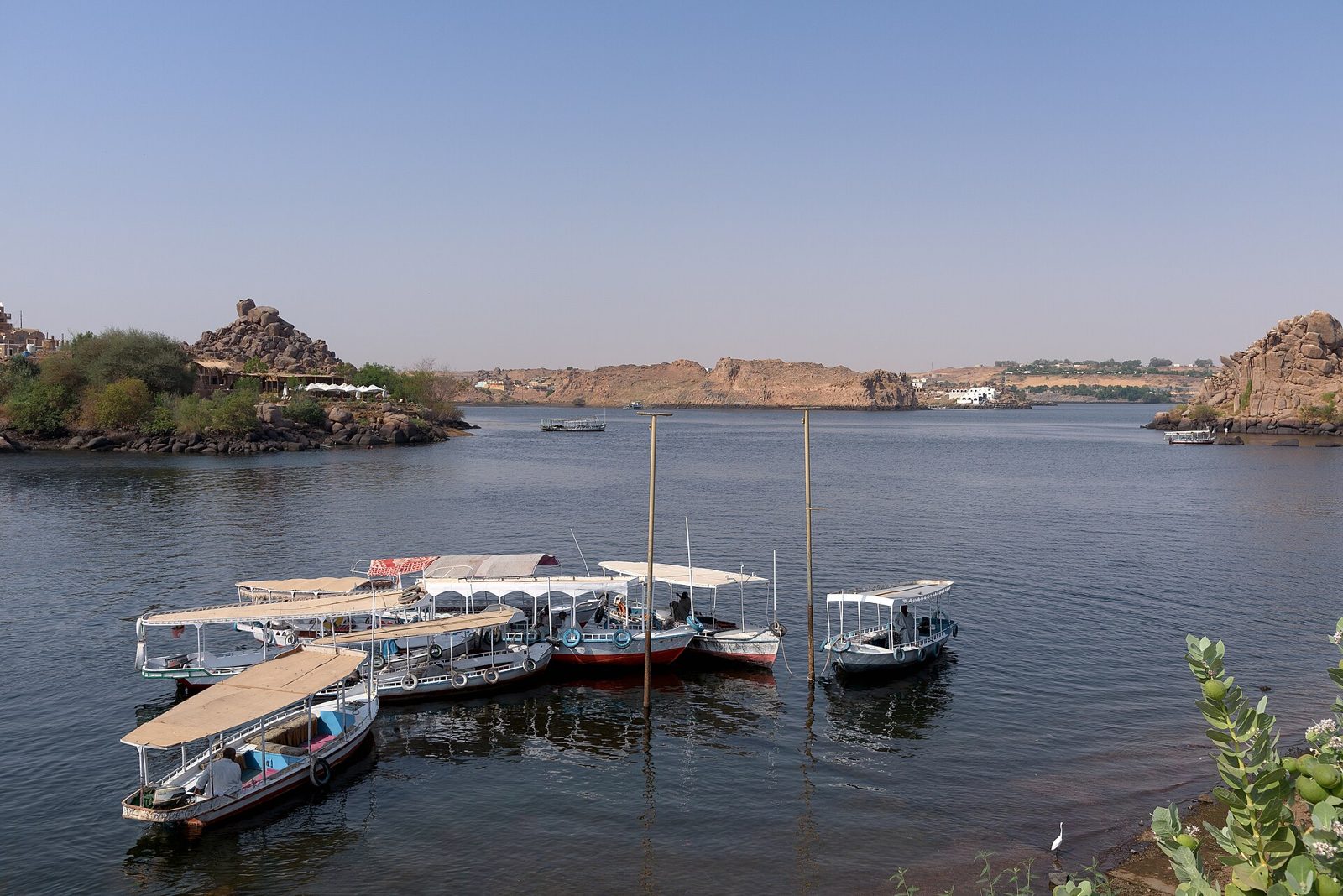
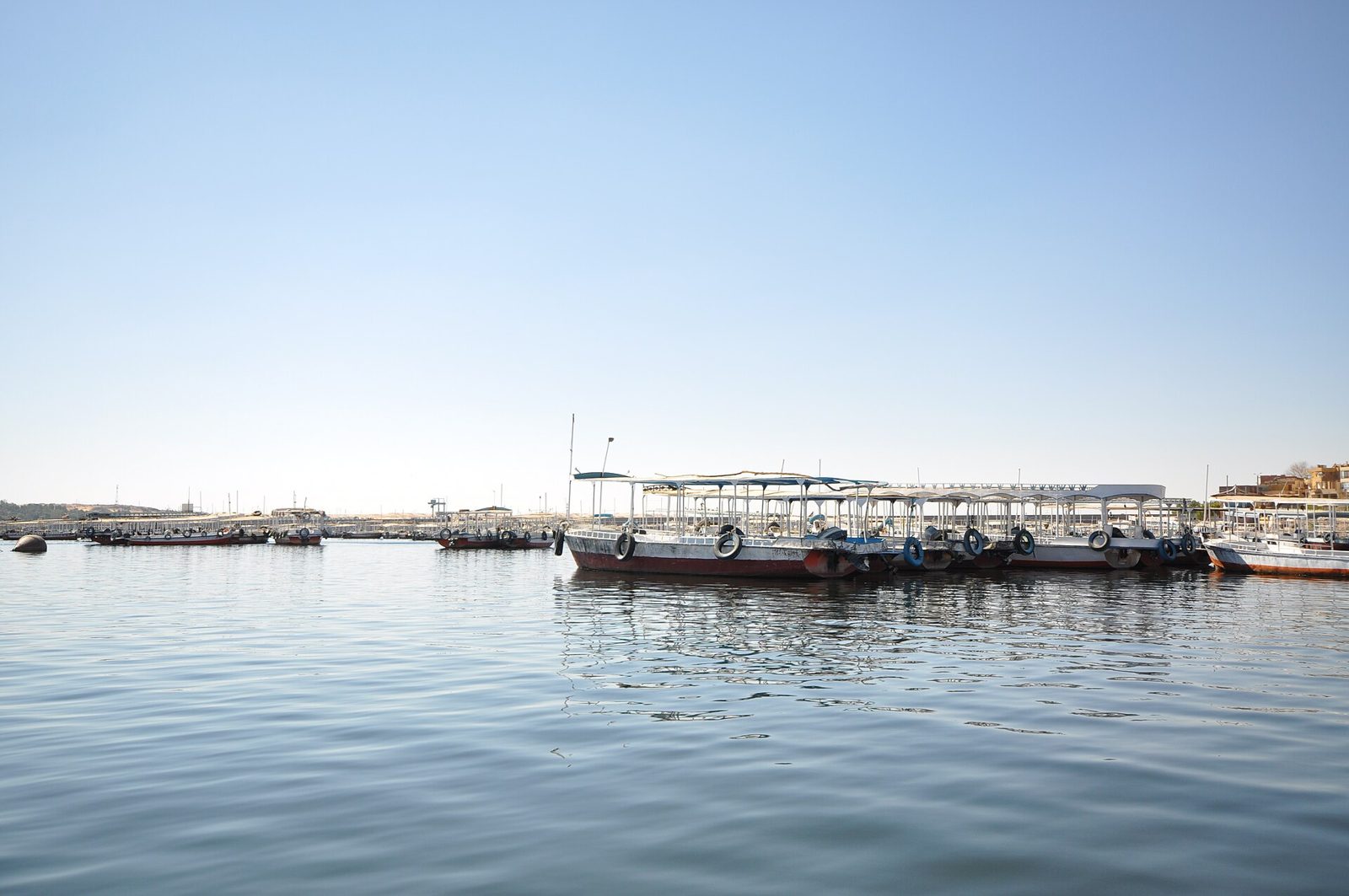
Philae is reached by motorboat from the marina; on our day tours the boat to the island and back is included.
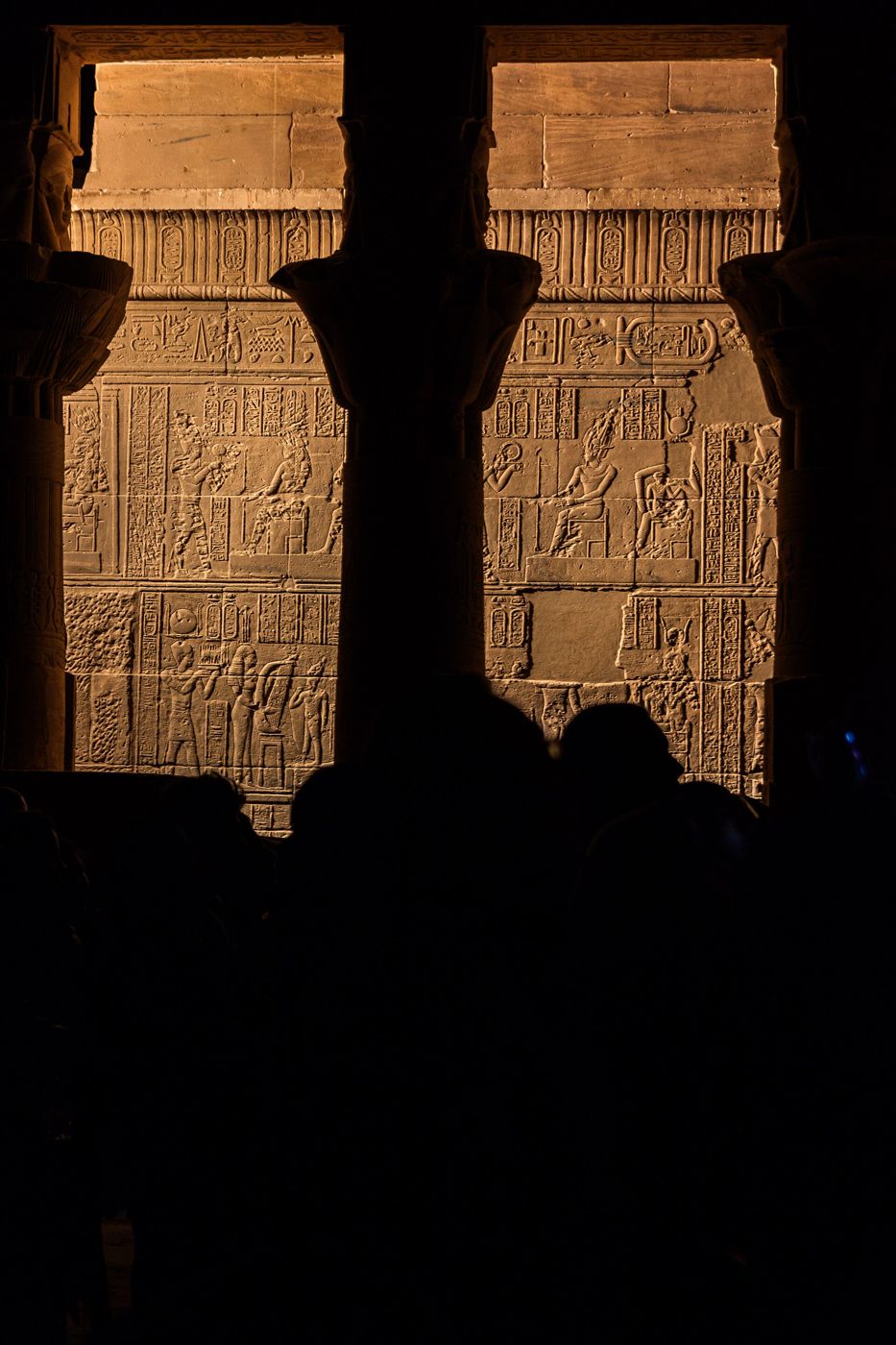
At the sound and light show you walk among the lit temple columns while the legend of Isis, Osiris and Horus is told with lights and narration.
Philae was the main cult center of Isis in the far south of Egypt. The neighboring island of Biga was believed to hold one of the burial places of Osiris, and the two islands worked as a pair: the goddess faced her husband's grave across the water, and priests crossed with offerings.
From the northern tip of the island you can look across to Biga, the reason the goddess was placed here at all. Few visitors walk that far, so the view is usually a quiet one.
The approach runs between long colonnades, uneven because the eastern one was never finished, to the first pylon, where huge figures of a Ptolemaic king strike down his enemies. This is a late temple, so the carving is dense and the figures are rounder than the New Kingdom ideal.
In the forecourt stands the mammisi, the birth house where the birth of Horus to Isis was celebrated, its columns crowned with Hathor heads. Beyond the second pylon the plan tightens into a hypostyle hall, vestibules and the sanctuary, where the pedestal that held the sacred boat of Isis is still in place.
On the east side of the island stands the open Kiosk of Trajan, known as Pharaoh's Bed, with floral capitals and no roof. It served as the formal landing for the goddess's sacred boat and gives the island its best-known silhouette.
North of the main temple, the Gate of Hadrian carries a well-known relief of the Nile god in a cave among rocks, pouring out the flood. Nearby, a stair cut into the rock served as a nilometer to measure the river's level.
Most visitors see the courts and leave, but a slow circuit of the shore is worth the extra time: the half-carved capitals of the eastern colonnade, the rock-cut stair to the water, and the view back at the kiosk with nothing behind it but the lake. It adds little time and is often the quietest part of the visit.
Philae stood on Egypt's southern frontier and served worshippers from both sides of it, including the Blemmyes and other Nubian peoples who had treaty rights to visit the goddess and even to borrow her statue for ceremonies at home. When temples further north were closed, shutting Philae would have broken agreements with neighbors the authorities preferred not to provoke.
That is why its priests kept the old script in use long after it had become unreadable elsewhere. When the temple was finally closed, parts of it became a church: crosses were cut into the walls, altars were installed and some reliefs were defaced, and that Christian layer was left in place when the temple was moved.
Behind the first Aswan dam, Philae spent much of each year under water. Visitors rowed over the courts and looked down at capitals below the surface, the reliefs lost their color, and the High Dam would have drowned the temple for good.
Engineers built a cofferdam around the island, pumped out the water, recorded and dismantled the complex into numbered blocks and rebuilt it on higher ground on Agilkia, as part of the same international campaign that moved Abu Simbel. The blocks are the originals and their order is right; what changed is the island, the skyline and the water around it, and the join lines in the masonry are still there to find.
| Summer | 7:00 am · last entry 3:00 pm |
|---|---|
| Winter | 7:00 am · last entry 3:00 pm |
| Ramadan | 7:00 am · last entry 3:00 pm |
The Ministry's monuments website gives 7:00 am to 4:00 pm daily.
Ministry of Tourism and Antiquities ticketing portal, checked August 2026
| Adult | Student | |
| Philae Temple | EGP 550 | EGP 275 |
| Temple panorama | EGP 200 | EGP 100 |
Prices in Egyptian pounds, as of August 2026
Philae stands on an island, so every visit includes a boat ride. On our Aswan day tour you see the High Dam and the Unfinished Obelisk first, then take the motorboat to Philae; our High Dam and Philae tour leaves out the obelisk. In the evening a separate tour takes you by boat to the sound and light show. Entry and the boat are included on all three.
The coolest months are December to February.
World Meteorological Organization climate normals (monthly averages, not forecasts)
Guide only
Already have a car or a driver? Book a licensed guide for Philae Temple on your own plan, for a half day or a full day. The guide speaks English, Spanish, Portuguese, German, French or Italian. Entrance tickets are not included; a car and driver can be added on request.
Our Aswan day tour covers the Aswan High Dam, the Unfinished Obelisk and Philae Temple, with the boat to the island included. In the evening you can add the sound and light show at Philae.
By motorboat: the temple stands on Agilkia Island in the Nile at Aswan. On our tours the boat to the island and back is included.
Water behind the old Aswan Dam partly flooded the temples after 1902, and when they reemerged after 1970 they were badly damaged. They were rebuilt on higher ground on Agilkia Island and reopened in 1980.
From 7:00 am with last entry at 3:00 pm in every season, per the Ministry's ticketing portal; the Ministry's monuments website gives 7:00 am to 4:00 pm.
EGP 550 for foreign adults and EGP 275 for foreign students, as of August 2026. Children under 6 enter free.
Isis, mother of Horus, with chapels for Hathor and other gods, and a link across the water to the cult of Osiris on the island of Biga.
Under the water of the reservoir between the old Aswan Dam and the High Dam. The temples now stand on nearby Agilkia Island.
An open pavilion on the east side of the island, nicknamed Pharaoh's Bed, that served as the ceremonial landing for the goddess's sacred boat.
Yes. When part of the temple was turned into a church, crosses were cut into its walls and some reliefs were defaced; that Christian layer stayed in place during the move.
Not comfortably. Both are reached from Aswan, but Abu Simbel usually takes a day of its own, so Philae fits better with the High Dam and the Unfinished Obelisk.
Sources: Encyclopaedia Britannica; UNESCO World Heritage Centre; Egypt's Ministry of Tourism and Antiquities; World Meteorological Organization.
Day tours
Nearby
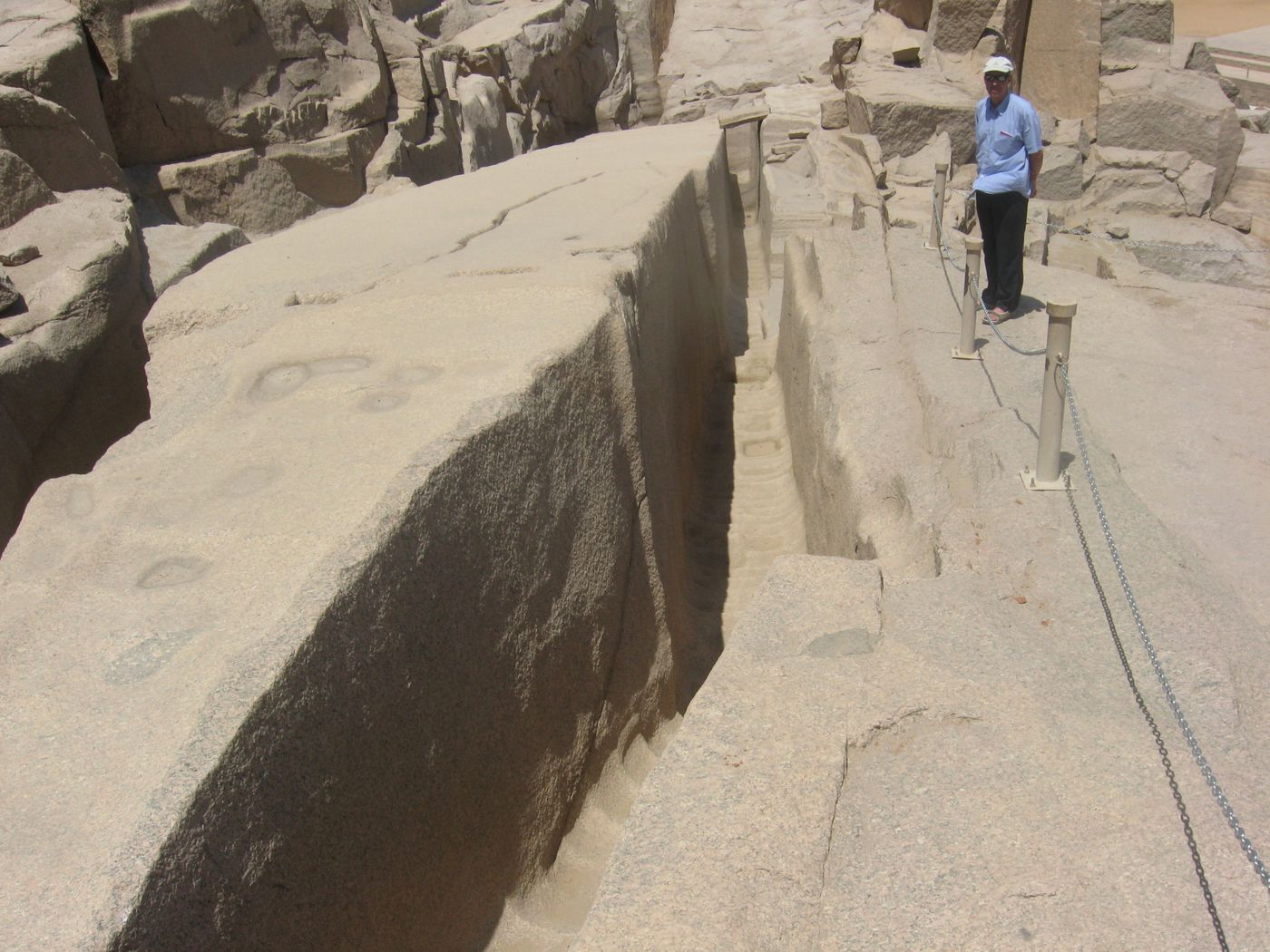
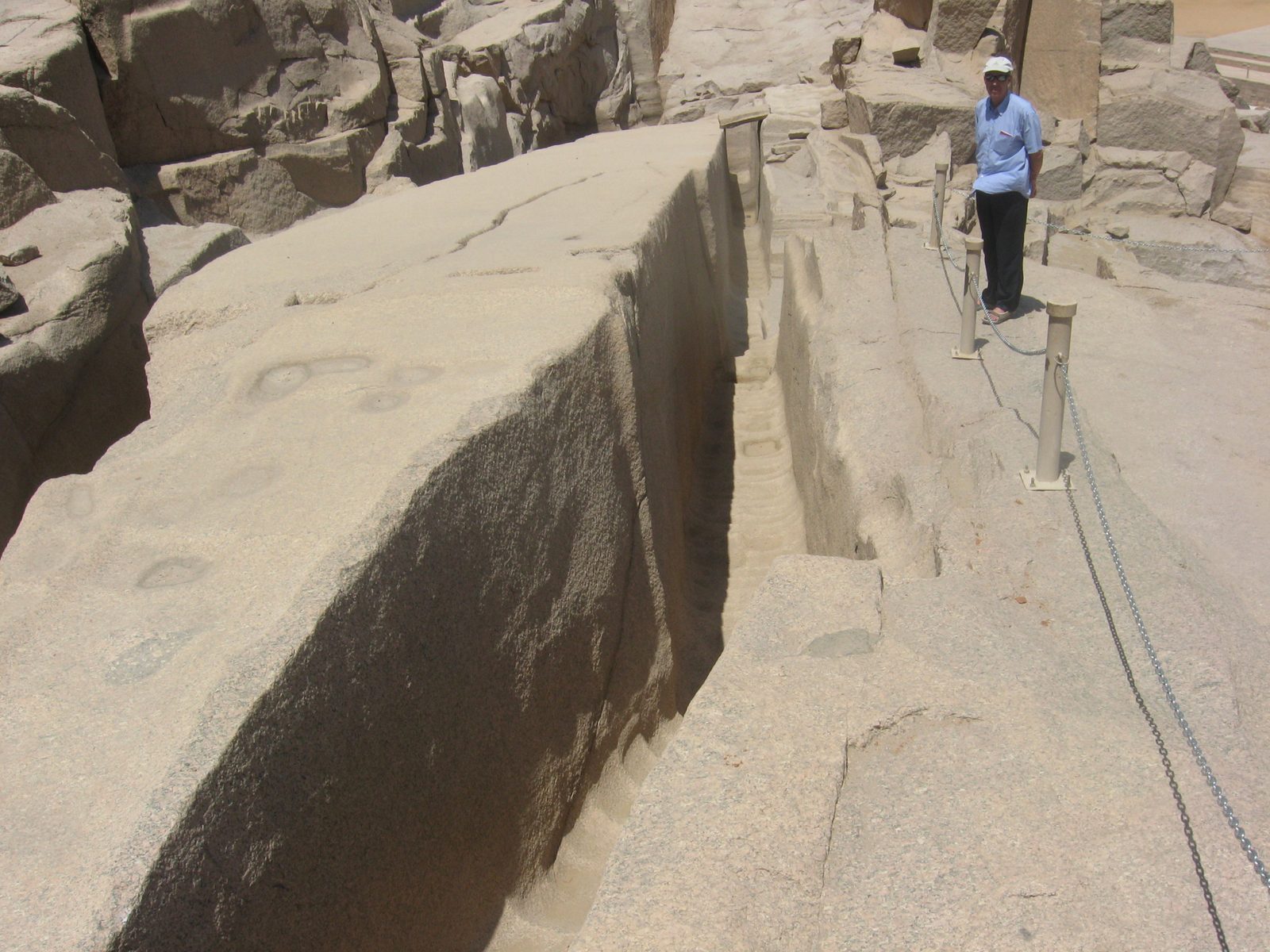 The Nile south of Aswan and the city's granite quarriesAswan High Dam and Unfinished ObeliskThe dam that holds back Lake Nasser and the obelisk left in Aswan's granite quarry.Obelisk hours: 7:00 am · last entry 3:00 pmObelisk ticket, foreign adult: EGP 220
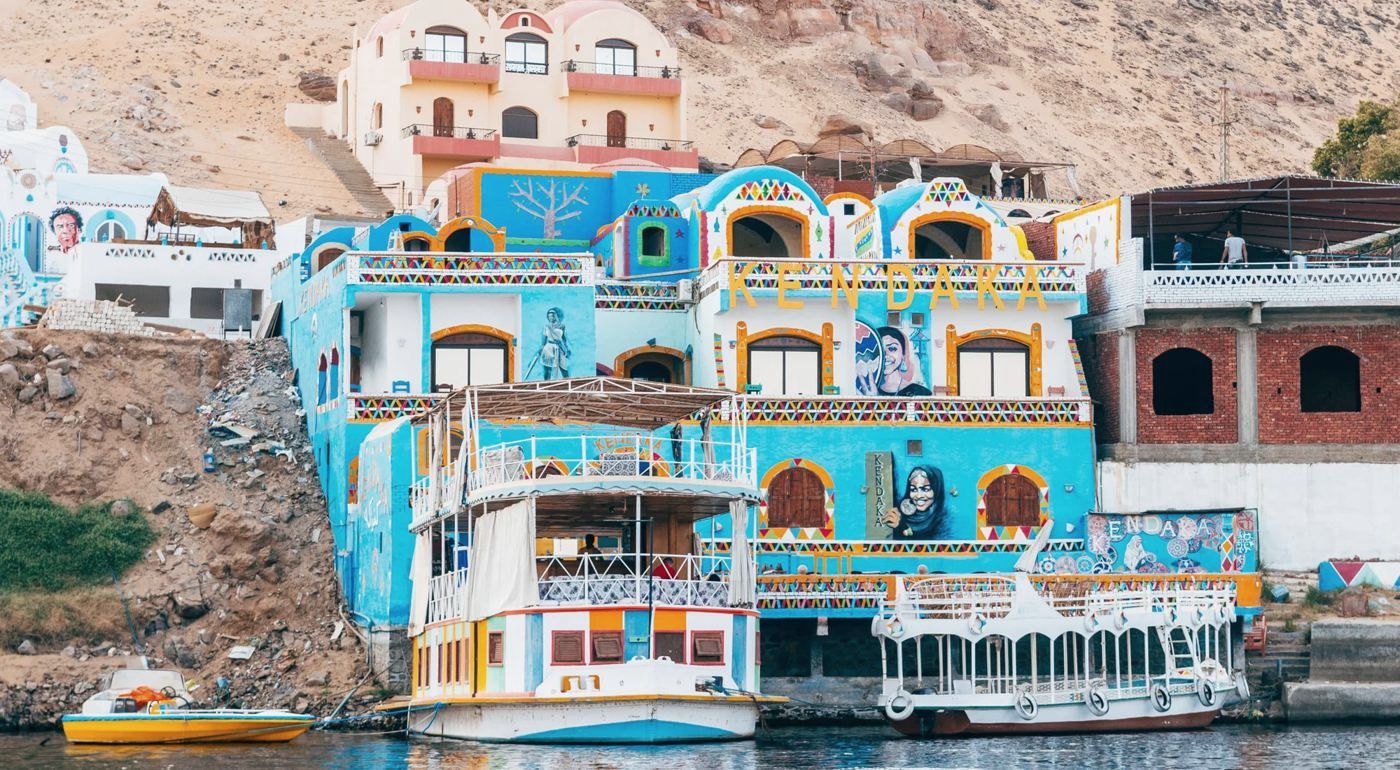 West bank of the Nile, AswanNubian Villages in AswanWho the Nubians are, why they moved, and the village of Gharb Soheil by boat.
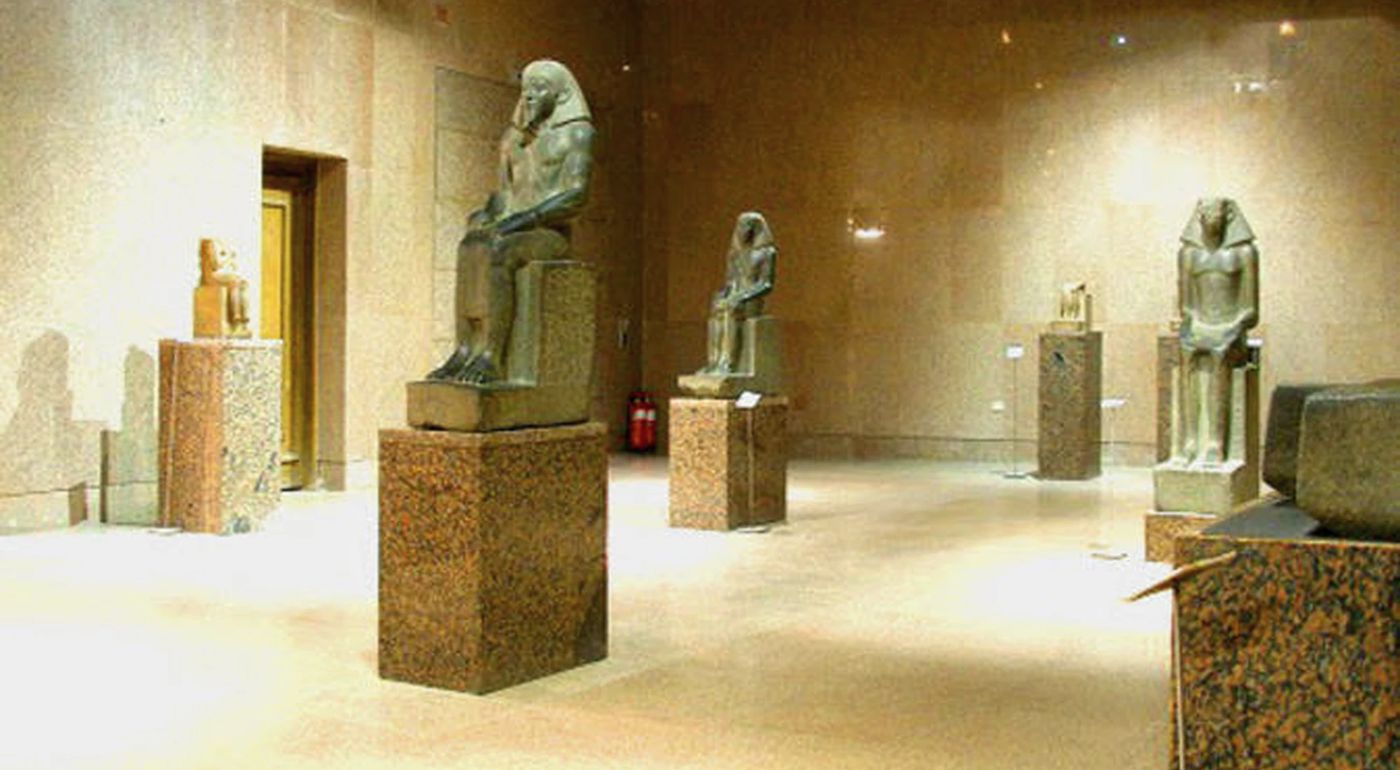 Aswan city, East Bank of the NileNubian MuseumAswan's museum of Nubian history, opened in 1997: galleries, garden, hours and tickets.Opening hours: 9:00 am · last entry 4:00 pmEntry ticket, foreign adult: EGP 400
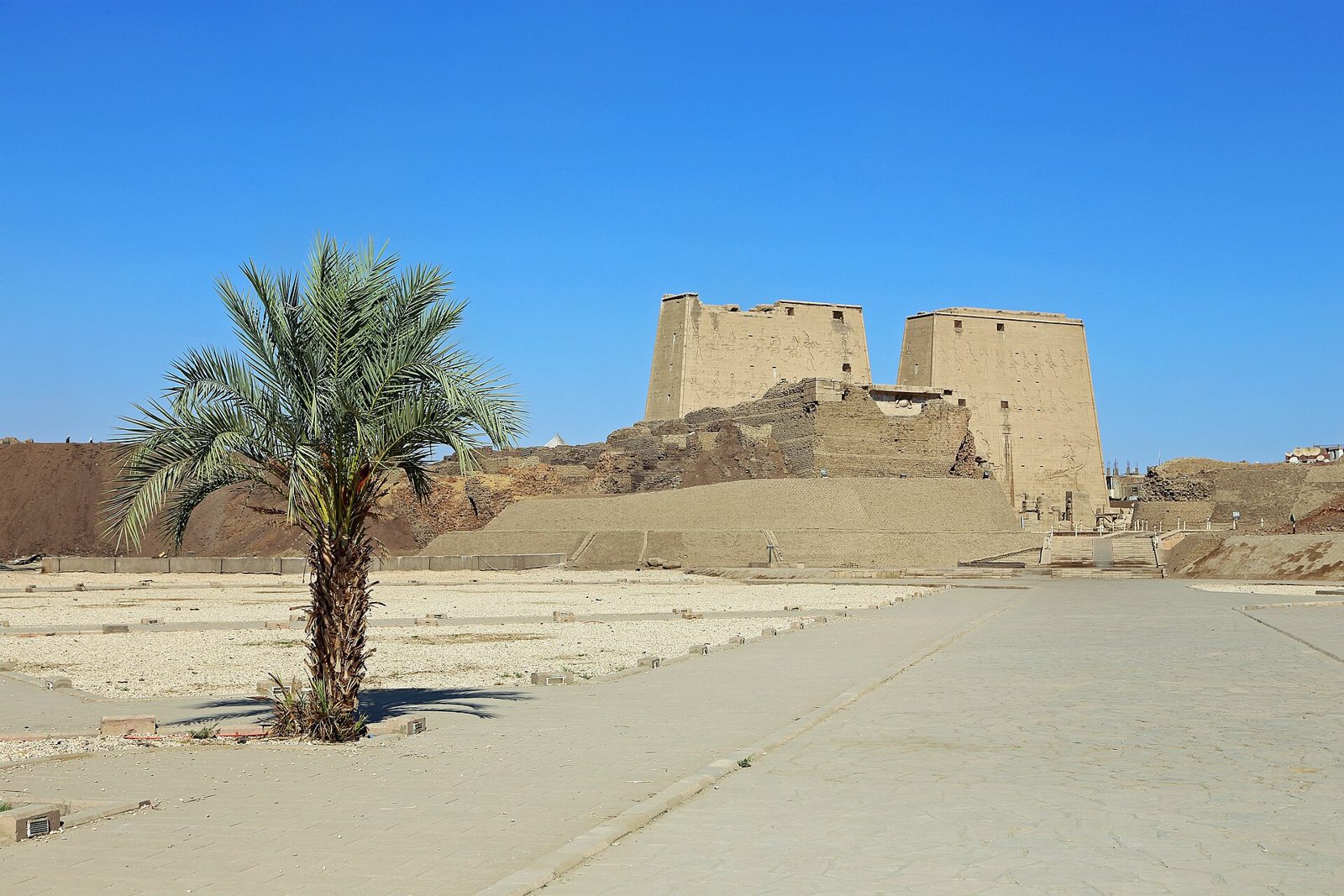 Nile Valley between Aswan and LuxorEdfu and Kom Ombo TemplesEdfu's temple of Horus and Kom Ombo's double temple: history, hours and tickets.Edfu hours: 7:00 am · last entry 4:00 pmEdfu ticket, foreign adult: EGP 550
Guides
Philae Temple from Aswan: the boat, the hours and the ticketsThe boat to the island, our Philae tours by day and by night, two sets of official hours, and the tickets.Day tours from a Nile cruise boat in Luxor and AswanWhich Luxor and Aswan day tours pick you up from a Nile cruise boat, and how to fit one in.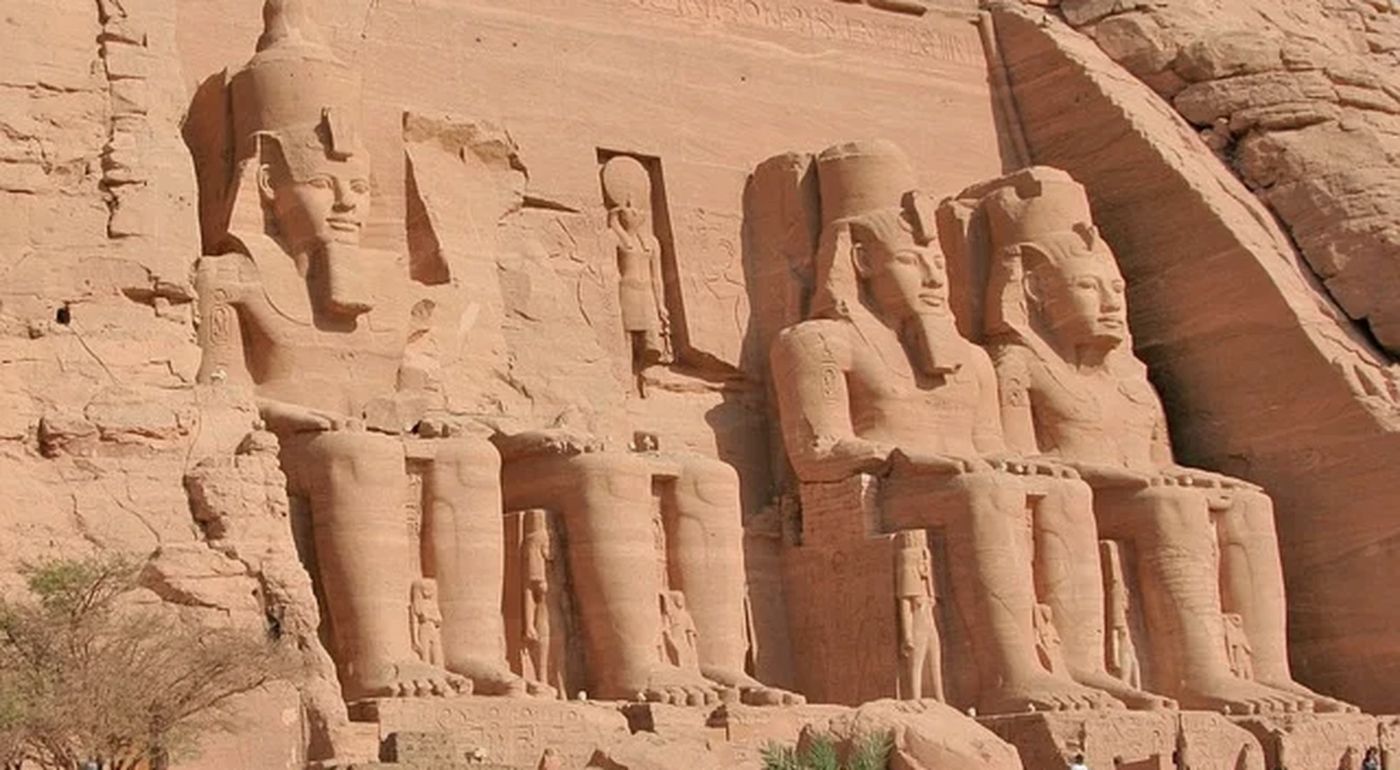 Abu Simbel from Aswan: what the day looks likeA long road day from Aswan: the drive, the two temples, and the site's hours and tickets.
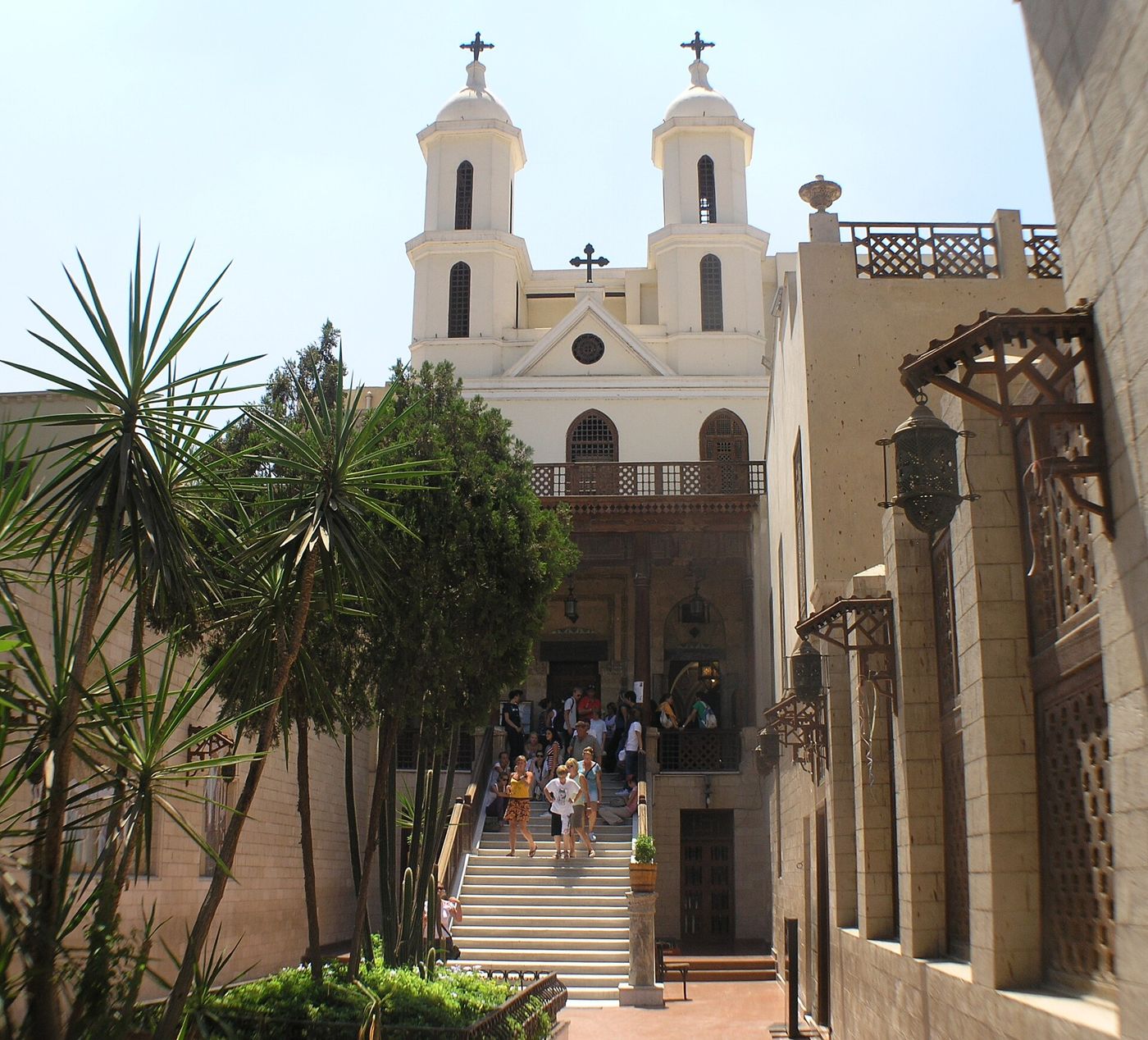 Egypt day tours by city: what you can do from each baseWhat you can do from each of our 8 bases, from the Giza pyramids to the Red Sea reefs.