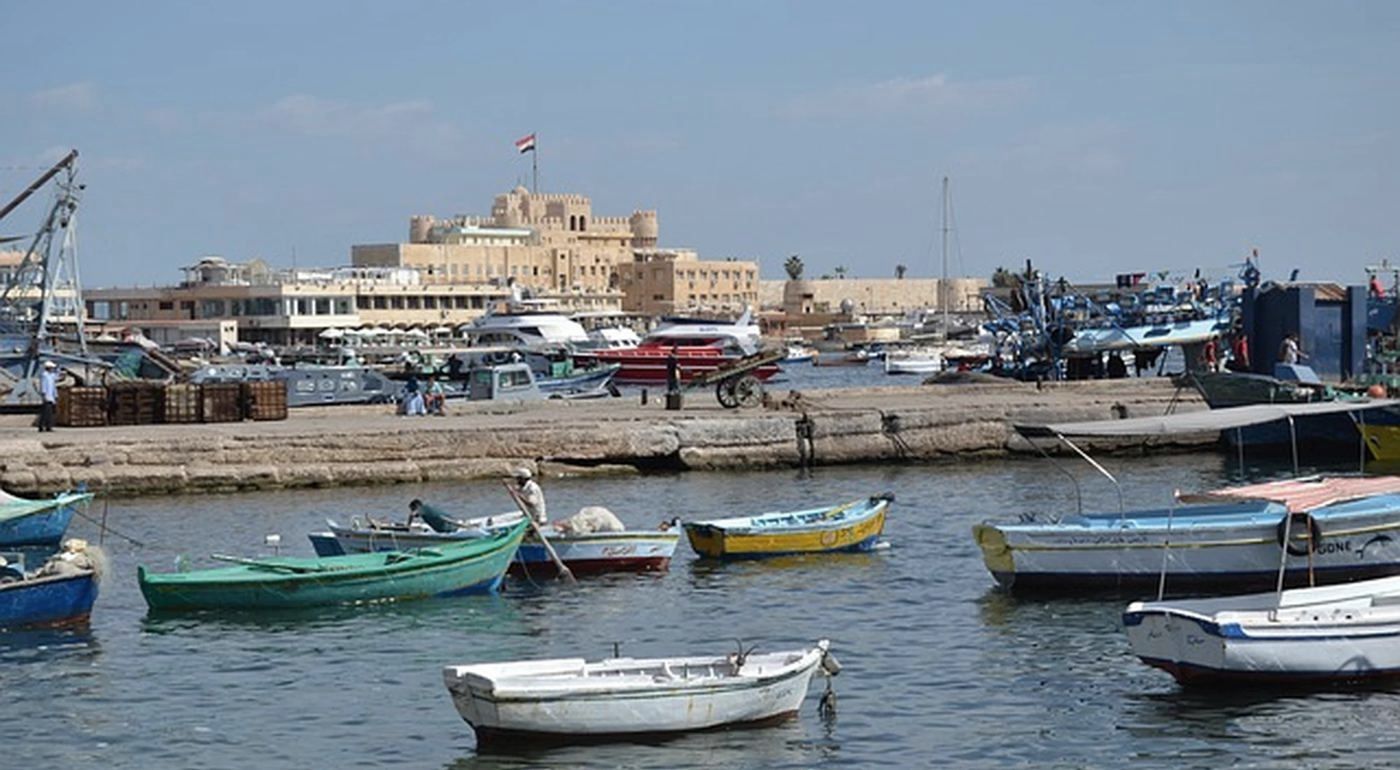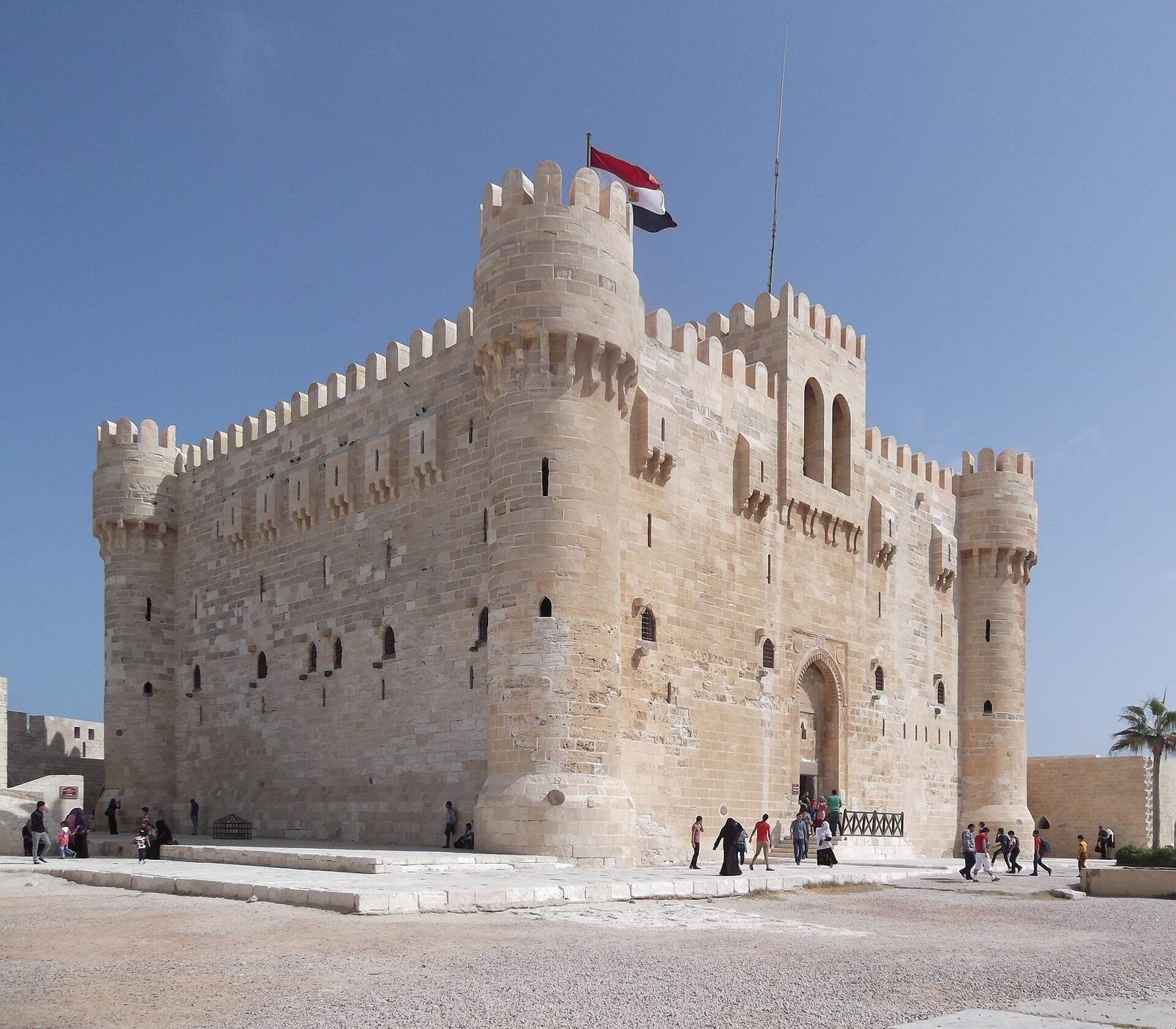
- The citadel stands at the tip of the old Pharos island, closing the Eastern Harbor of Alexandria.
- Sultan Qaitbay built it on the site of the ancient Lighthouse of Alexandria, and stone from the lighthouse is believed to be in its walls.
- It served the Mamluks, then the Ottomans, and was damaged in the British bombardment of Alexandria.
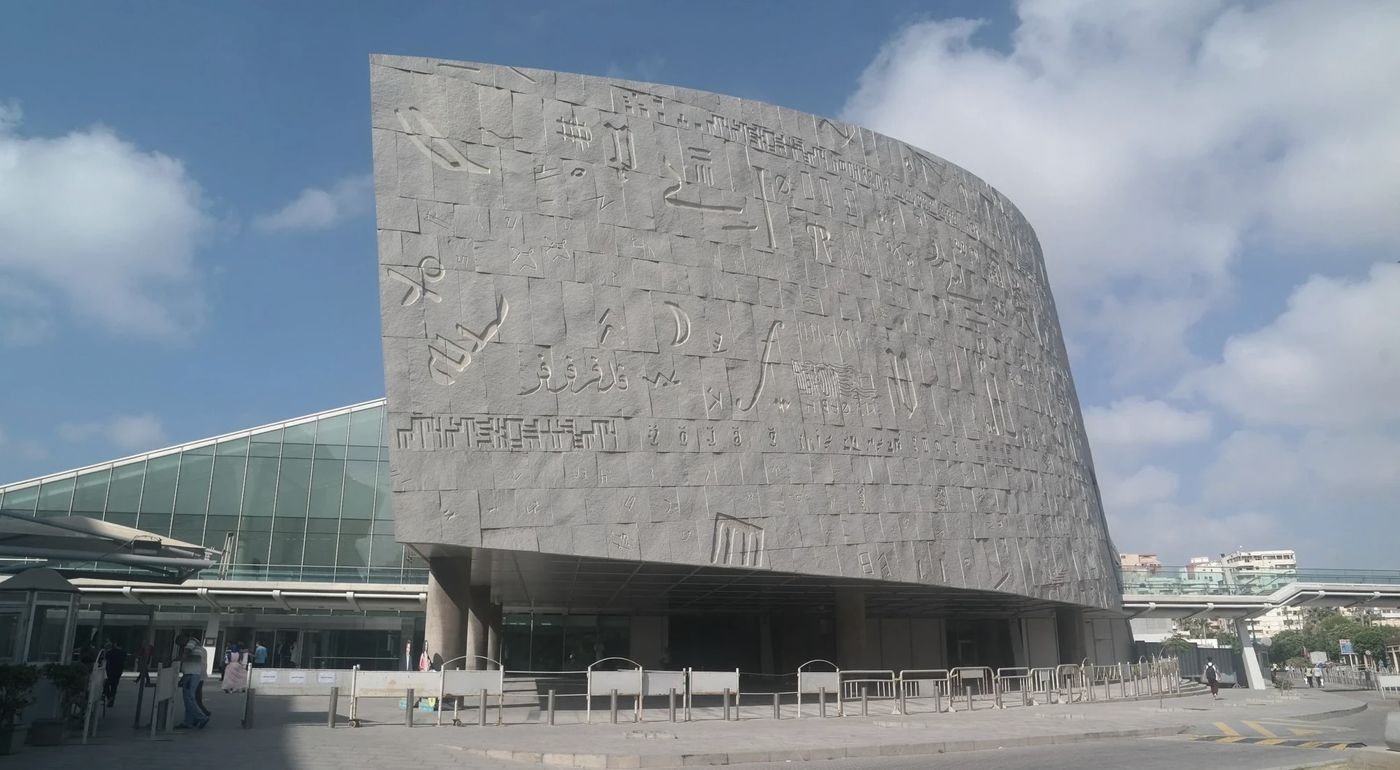
- It pairs naturally with the Bibliotheca Alexandrina on the same stretch of the Corniche.
The Citadel of Qaitbay is the stone fort at the tip of the old Pharos island in Alexandria, built by the Mamluk sultan Qaitbay on the site of the ancient Lighthouse of Alexandria. It closes the Eastern Harbor on its western side and is one of the city's main sights, usually visited with the Bibliotheca Alexandrina along the same Corniche.
Where the Citadel of Qaitbay stands: Pharos island and the Eastern Harbor
The citadel occupies the eastern tip of what was once the island of Pharos, joined to the mainland in antiquity by a causeway that silted up into today's isthmus. The result is a fort with water on three sides, at the western end of the Corniche in the Anfoushi district, closing off the Eastern Harbor.
The approach along the causeway, with the fishing fleet moored on one side, is part of the visit, and the sea wall around the fort is a local promenade in the late afternoon. In rough weather spray comes over the wall, which is worth knowing if you carry a camera.
Built on the Lighthouse of Alexandria: what is known and what is not
The Pharos was raised under the early Ptolemies and guided ships into Alexandria for many centuries. Arab geographers described it in detail while it still stood, down to a ramp wide enough for pack animals, and earthquakes brought it down in stages until little was left.
Sultan al-Ashraf Qaitbay built his fort on the lighthouse's site, and the large granite and marble blocks and column shafts set into its walls are generally accepted as ancient material reused from the ruins. The popular claim that the fort rests directly on the lighthouse's own foundations goes further than the evidence: much of the lighthouse ended up on the seabed just off the citadel, where underwater surveys have recorded huge blocks, column drums and statues.