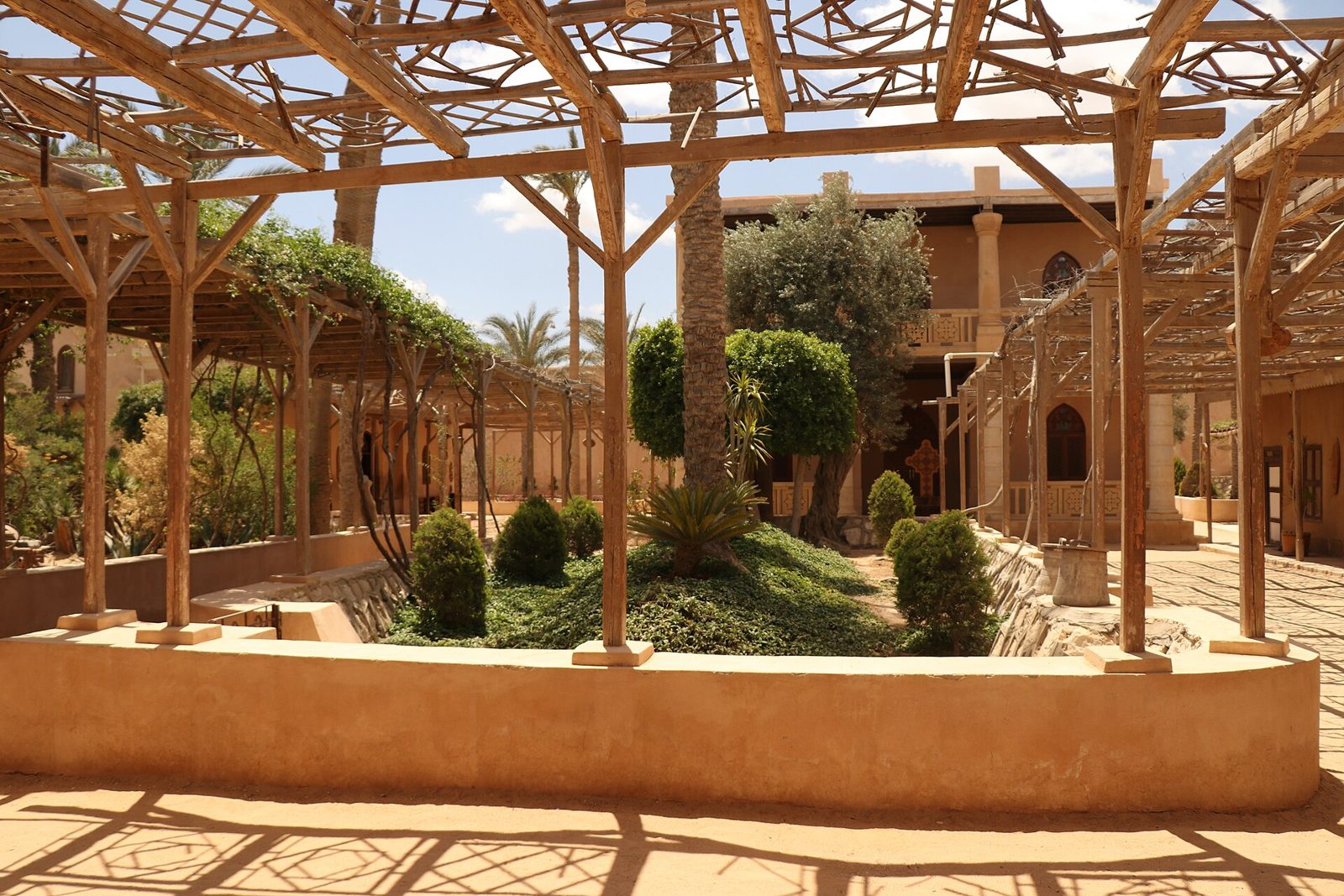
Deir al-Baramus
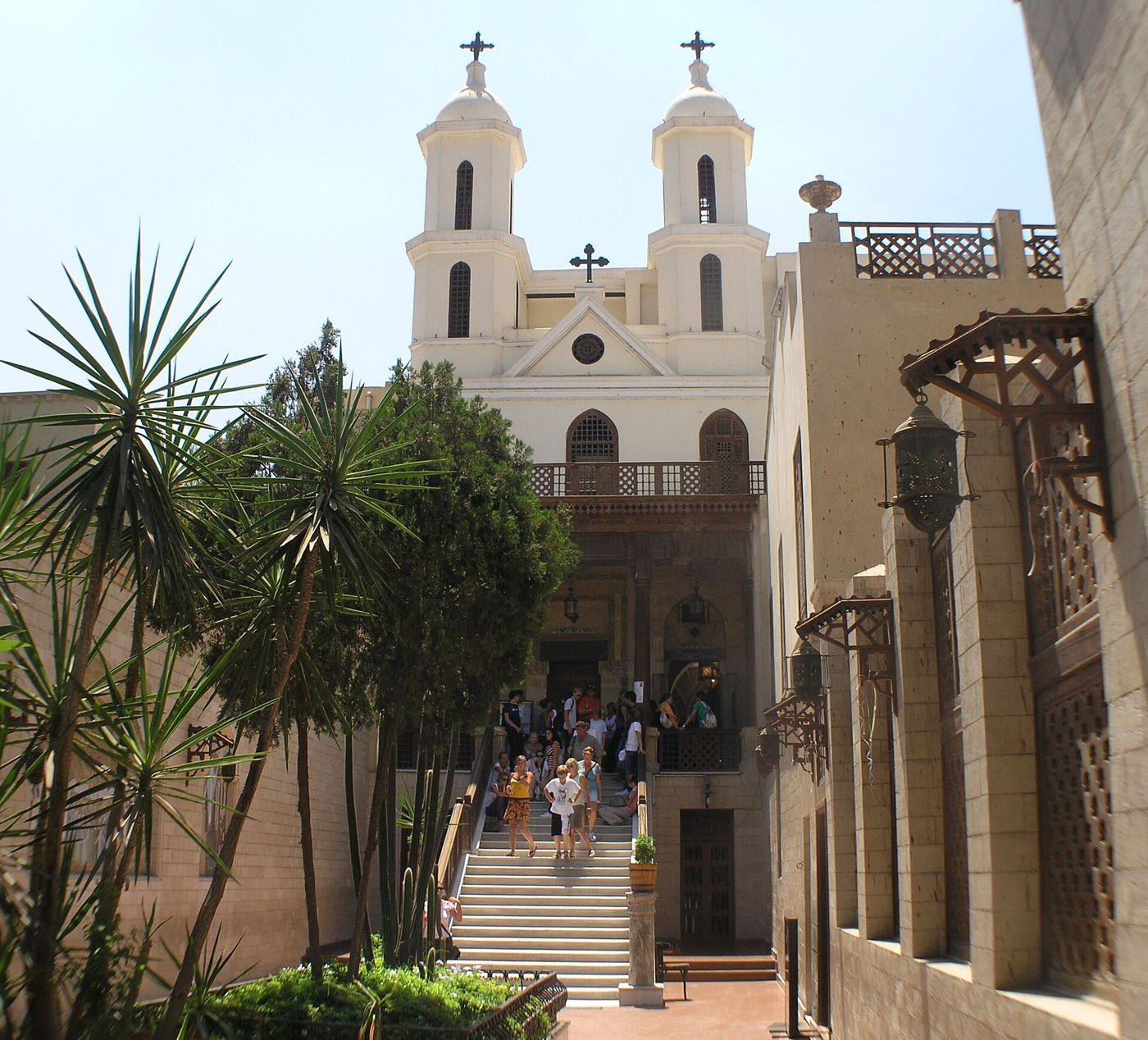
Considered the oldest of the surviving monasteries of Wadi El Natrun. Its three-story tower keeps parts from the seventh century, and the Church of St Michael has frescoes from the twelfth century.
Home / Attractions / Wadi El Natrun Monasteries
Alexandria · Western Desert, between Cairo and Alexandria
A desert valley halfway between Cairo and Alexandria where four of some fifty early Coptic monasteries still stand; our tour visits three of them.
Wadi El Natrun is a depression 25 km long in the Western Desert, halfway between Cairo and Alexandria, with about a dozen salt lakes. Two of them give natron, the sodium carbonate the ancient Egyptians used for mummification.
Hermits followed Saint Macarius into the valley in the fourth century, and about fifty monasteries grew up. Four survive: St Macarius, Deir al-Baramus, the Monastery of St Bishoy and the Syrian Monastery. Our tour visits the last three; St Bishoy is an active center of Coptic monastic life. Egypt put the monasteries on its UNESCO Tentative List in 2003.
Considered the oldest of the surviving monasteries of Wadi El Natrun. Its three-story tower keeps parts from the seventh century, and the Church of St Michael has frescoes from the twelfth century.
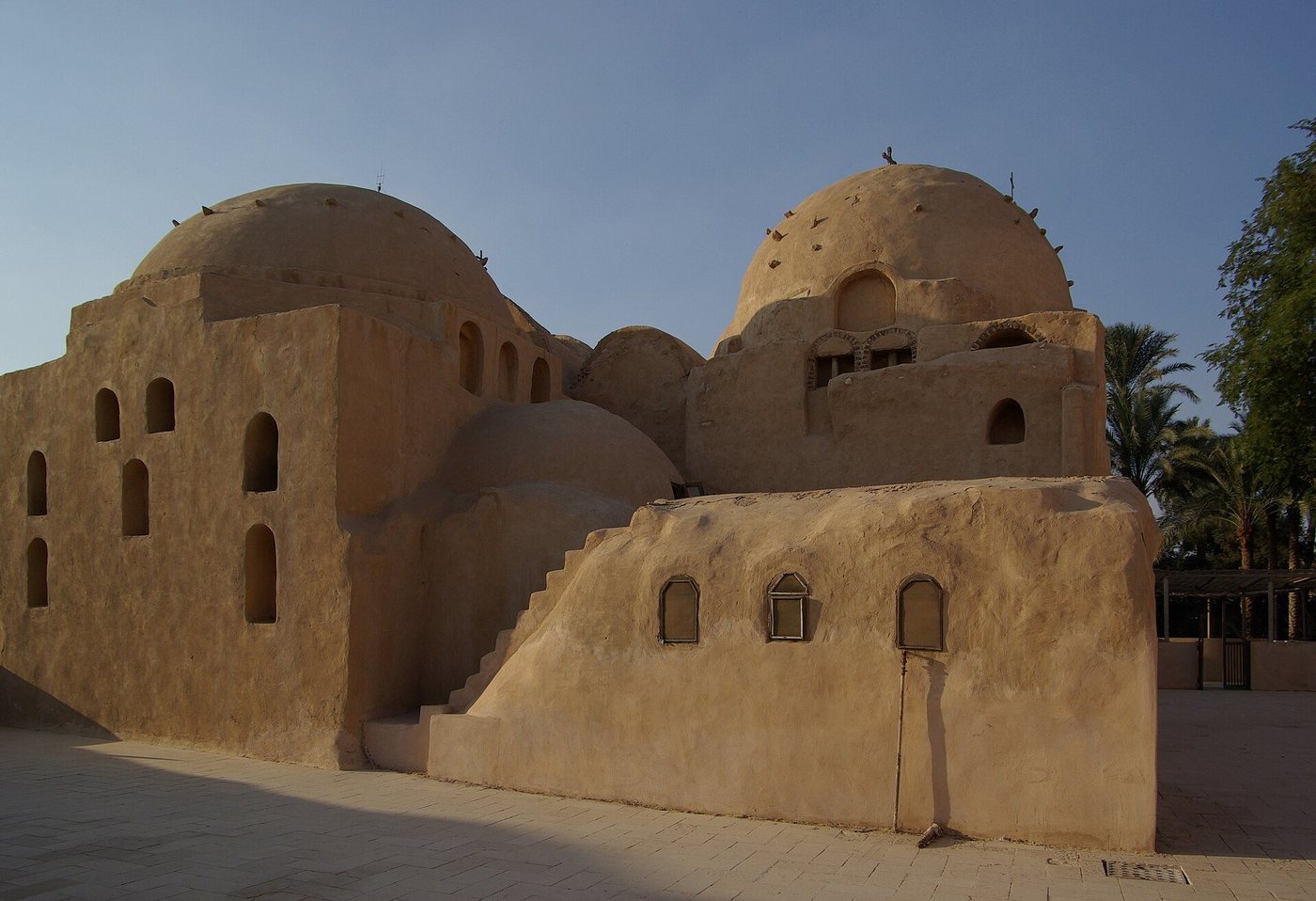
Founded by St Bishoy (Pshoi), a disciple of Saint Macarius, with five churches inside its walls; the monastery keeps the saint's body. A drawbridge led to the upper floors of its tower and the Church of the Archangel Michael.
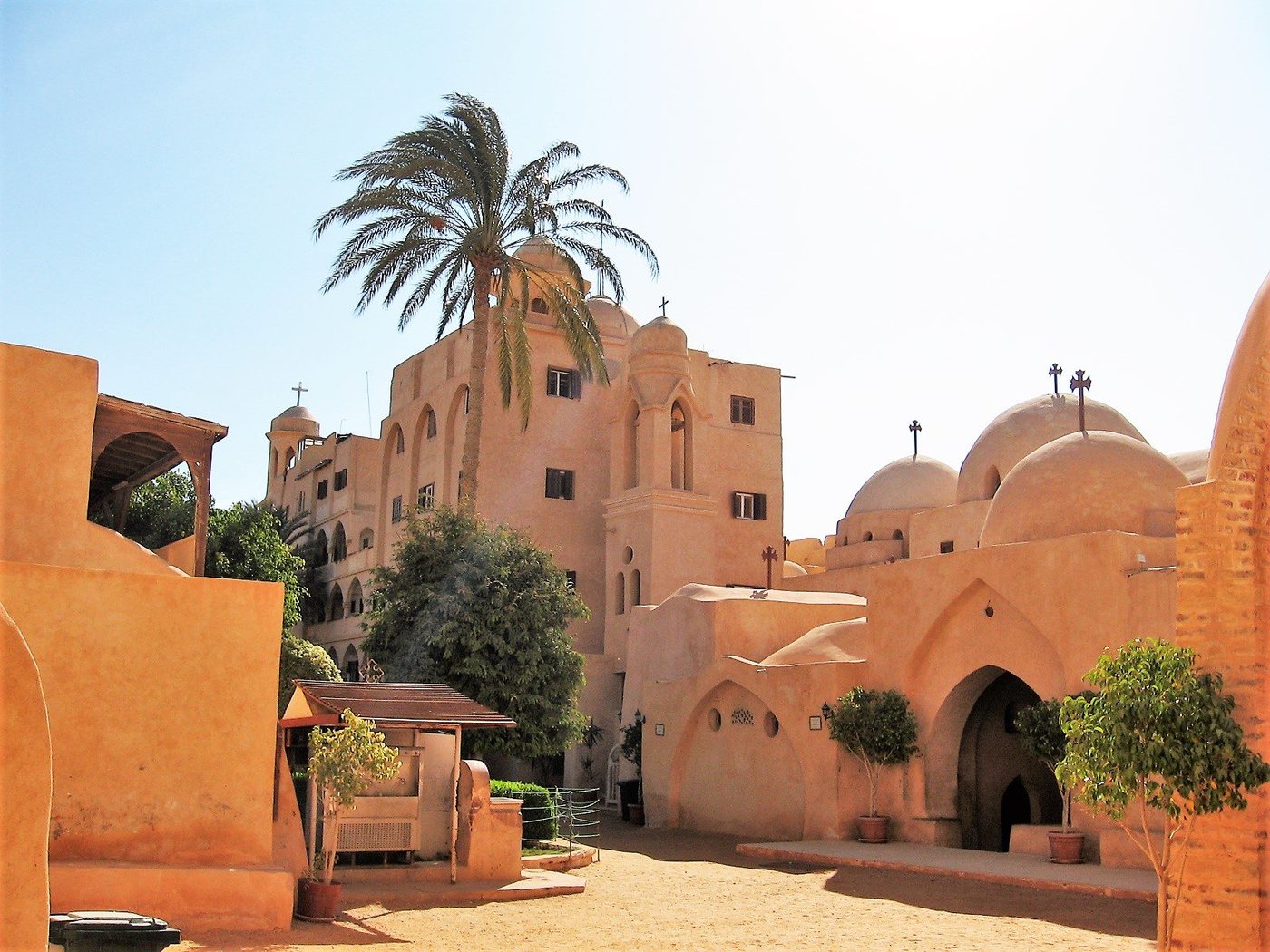
The smallest of the surviving monasteries, with a fortress, monks' cells and three large churches. The main Church of the Virgin Mary has carved walls, doors and domes, and the frescoes found in 1994 show the birth and death of the Virgin.
| From your Alexandria hotel to Deir al-Baramus | 133.7 km · about 1 h 46 min |
|---|---|
| From the Syrian Monastery back to your hotel | 131.6 km · about 1 h 42 min |
Without traffic, from our tours' map routing
Our tour drives from your Alexandria hotel to Deir al-Baramus first, then 12 km, about 25 min, to St Bishoy; the Syrian Monastery is 0.1 km from St Bishoy. Entrance fees to the monasteries are included; lunch before the drive back is optional and not included.
In the Western Desert, halfway between Cairo and Alexandria. On our tour the drive from an Alexandria hotel to Deir al-Baramus is 133.7 km, about 1 h 46 min without traffic.
Four survive of about fifty that once stood there: St Macarius, Deir al-Baramus, St Bishoy and the Syrian Monastery.
Deir al-Baramus is considered the oldest of the surviving monasteries, and our tour starts there.
After a group of Syrian monks who settled in Wadi El Natrun in 984 AD, according to Egypt's Ministry of Tourism and Antiquities.
Dress modestly. UK travel advice asks visitors to Egypt to dress modestly, especially outside the resorts and in rural areas.
Yes, entrance fees to the monasteries on the program are included. Lunch is optional and not included.
Sources: UNESCO World Heritage Centre; Egypt's Ministry of Tourism and Antiquities; UK Foreign, Commonwealth & Development Office.
Day tours
Guides
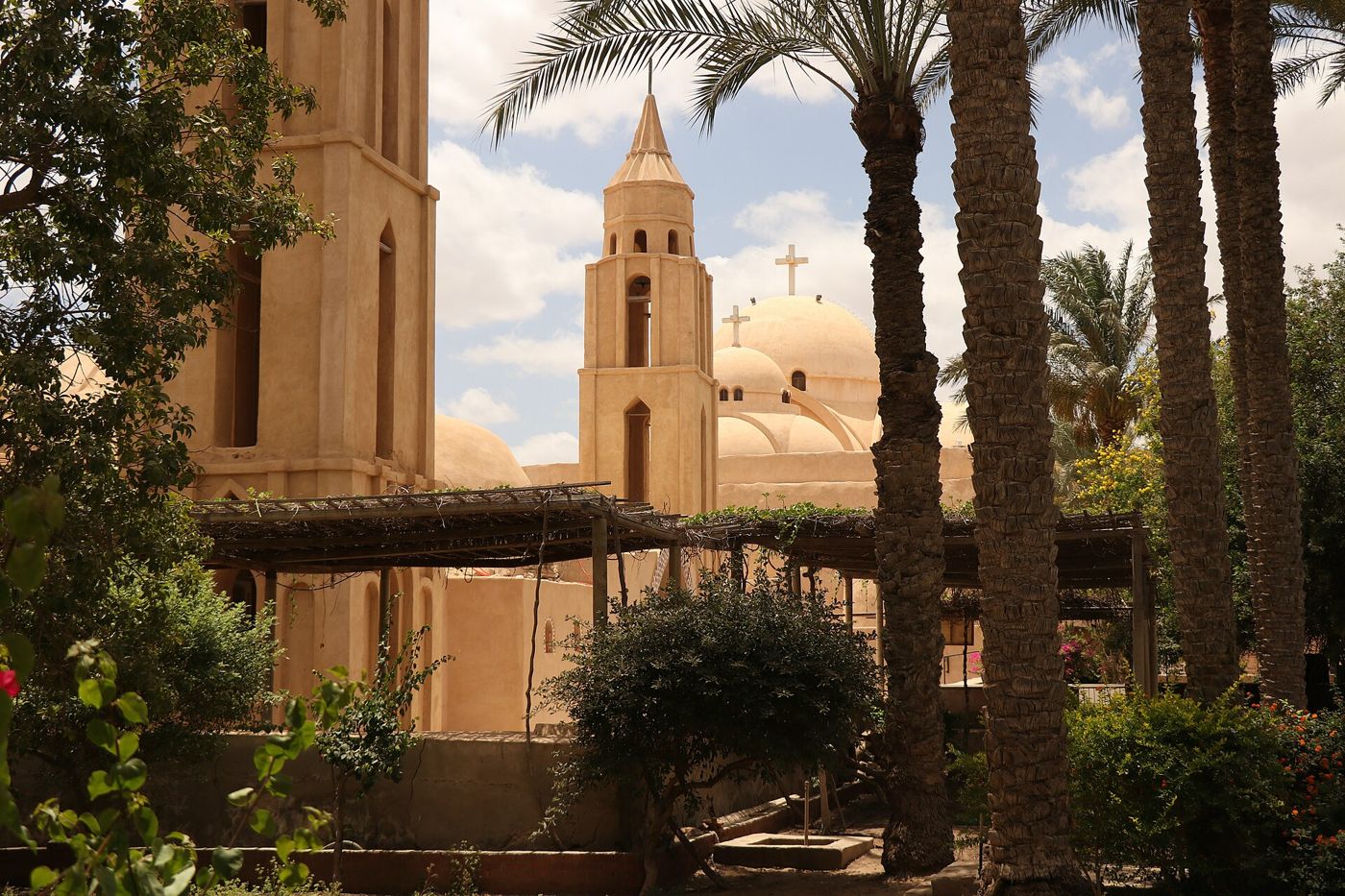 El Alamein or Wadi El Natrun: which day from Alexandria?War museum and cemeteries or three Coptic monasteries: drives, stops and what each day includes.
 Egypt day tours by city: what you can do from each baseWhat you can do from each of our 8 bases, from the Giza pyramids to the Red Sea reefs.
 What is included in an Egypt day tour, and what is notPickup, car, guide, tickets, lunch, tips and flights: what our day tours include and leave out.