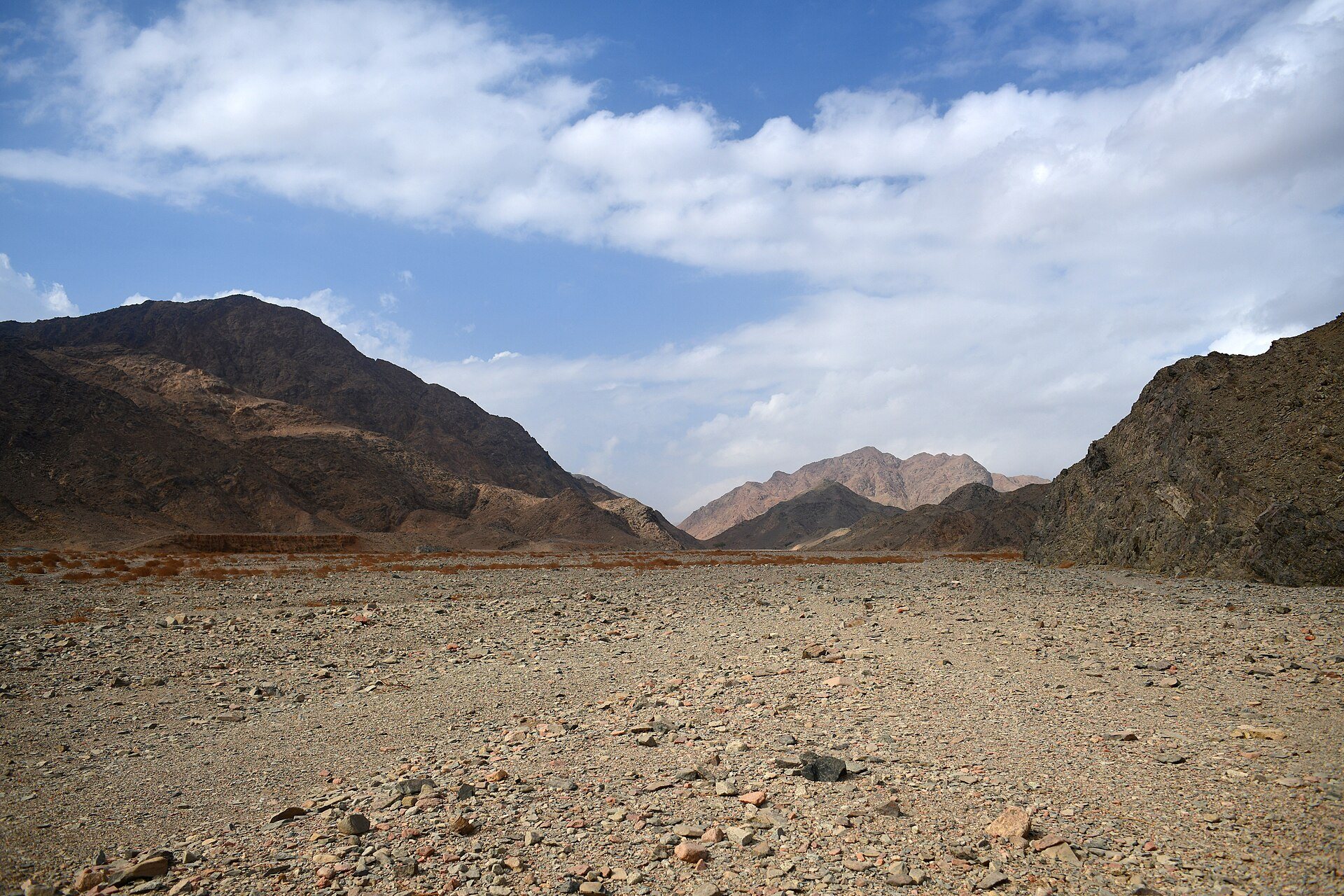
The wadis and the interior
The interior is jagged mountains and winding wadis. The Dorcas gazelle and the Nubian ibex live here and rely on the park's rare mountain springs.
Home / Attractions / Wadi El Gemal National Park
Marsa Alam · Red Sea coast, south of Marsa Alam
A national park that runs from the Red Sea coast south of Marsa Alam inland through sheltered wadis to the ridges of the Eastern Desert.
Wadi El Gemal National Park is a protected area on the Red Sea coast of Egypt's Red Sea Governorate, south of Marsa Alam. Egypt's environment agency lists it as a national park declared in 2003, with a registered area of 7,636.7 km². It has over 70 km of coastline and reaches inland from the Red Sea through a network of sheltered wadis to the ridges of the Eastern Desert.
The coast holds coral reefs, mangroves and seagrass beds that feed the endangered dugong and green turtle. Five islands lie within the park and are breeding grounds for many of the 13 water and sea bird species, out of 45 bird species, found there; Wadi El-Gemal Island has the largest Sooty Falcon breeding colony in the world. Inland, the park protects the Dorcas gazelle and the Nubian ibex.
The interior is jagged mountains and winding wadis. The Dorcas gazelle and the Nubian ibex live here and rely on the park's rare mountain springs.
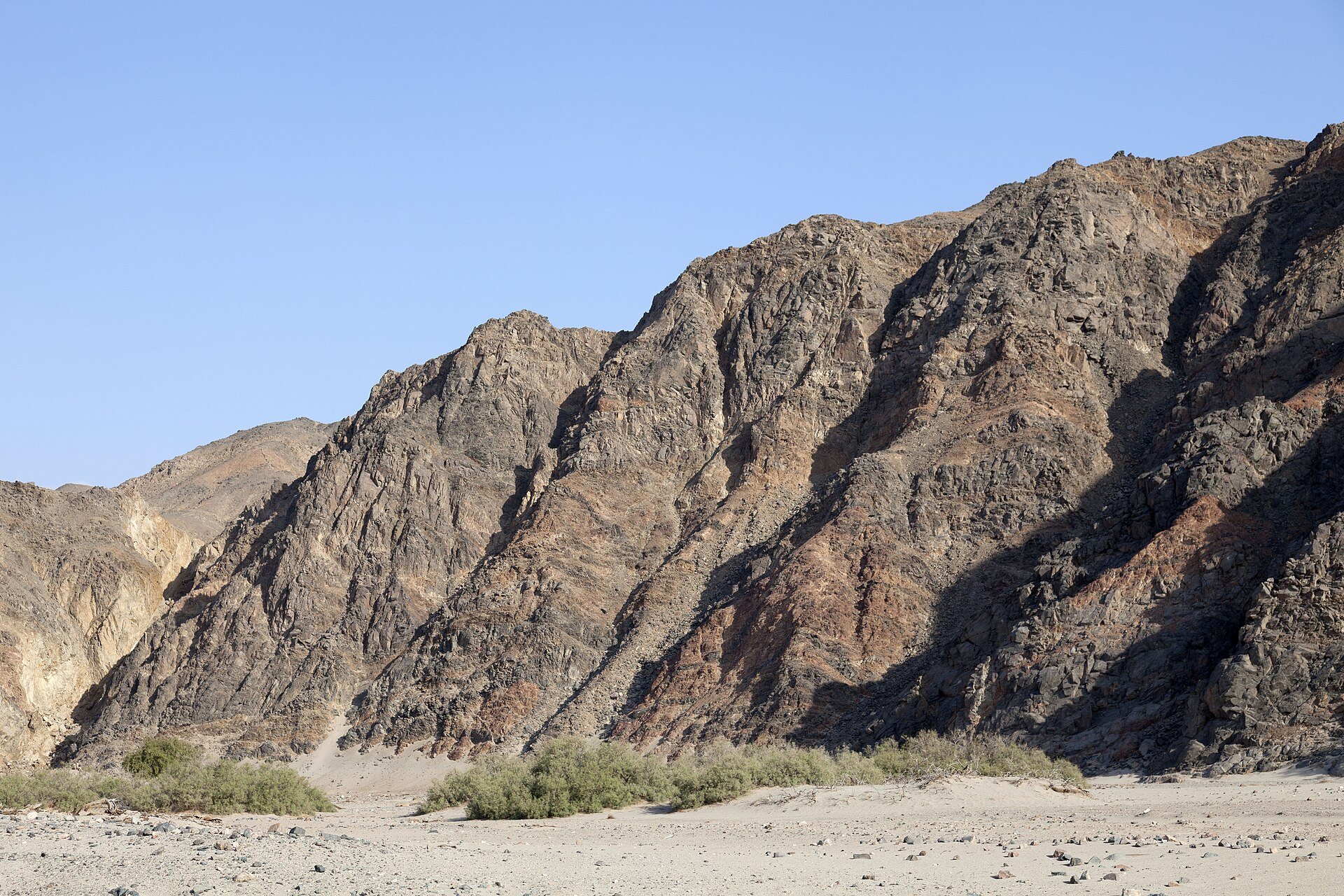
Reptiles are the most numerous land vertebrates in the park, with at least 25 terrestrial reptiles recorded in the Wadi El Gemal and Hamata area.
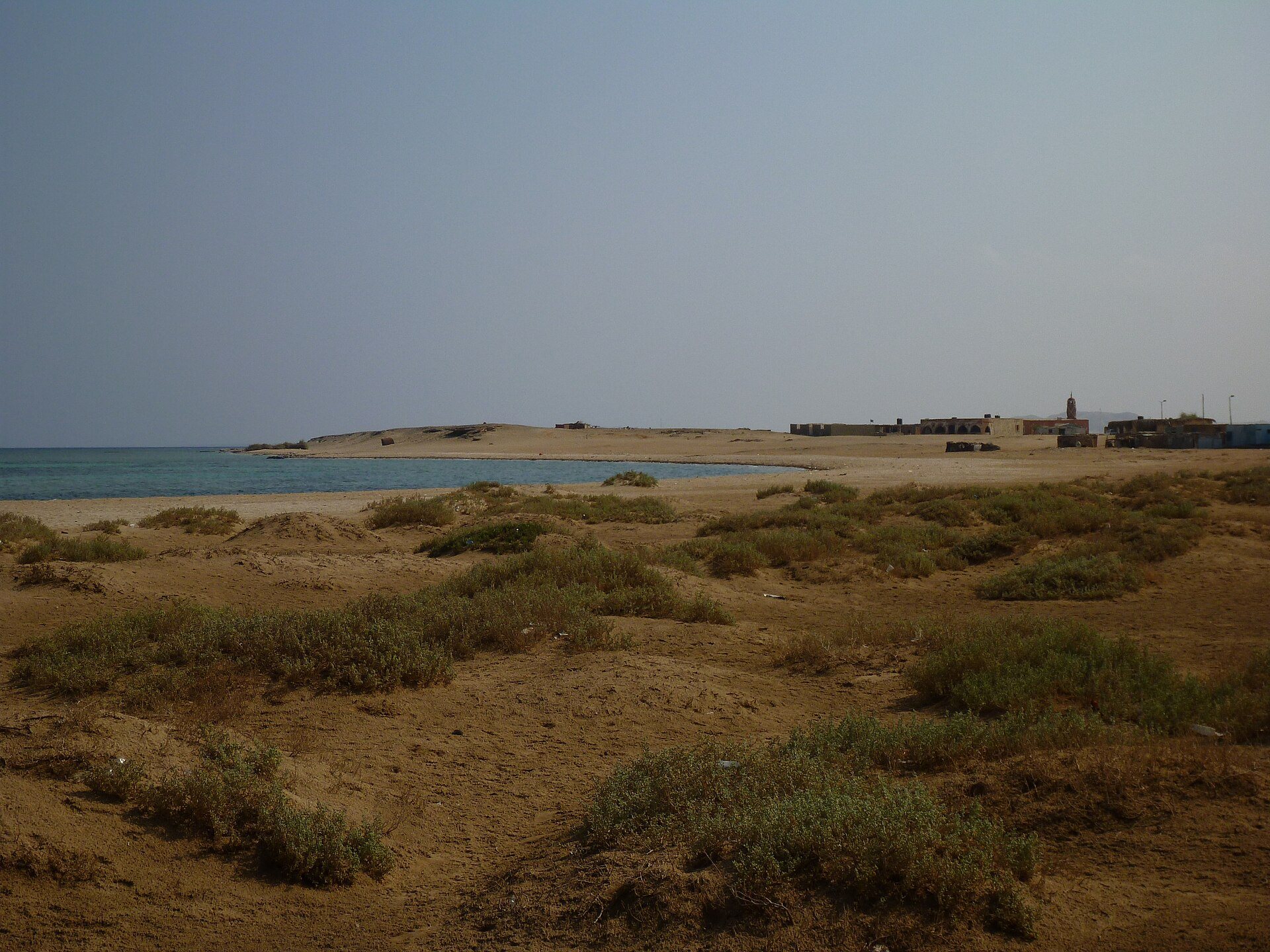
Sandy beaches and bays on the coast, where mangroves, seagrass beds such as those at Ras Baghdai and coral reefs lie offshore. The seagrass is the only food source of the dugong and the green turtle, which also nests on the beaches. The reefs hold some 450 species of coral and over 1,200 species of fish.
None of our day tours currently stops in Wadi El Gemal National Park, so there is no routing from Marsa Alam hotels to show here. The park lies south of Marsa Alam on the Red Sea coast.
On the Red Sea coast of Egypt's Red Sea Governorate, south of Marsa Alam. It has over 70 km of coastline and reaches inland to the ridges of the Eastern Desert.
Its mangroves, seagrass beds that feed dugong and green turtle, coral reefs, five offshore islands, and desert wadis where Dorcas gazelle and Nubian ibex live.
The park's seagrass beds are the only food source of the endangered dugong, but a sighting is never guaranteed.
It was declared in 2003, and Egypt's environment agency lists it as a national park with a registered area of 7,636.7 km².
The Ababda are the main indigenous inhabitants. Livestock is their main livelihood, and at Qalaan village some still fish.
Not at the moment: none of our day tours stops in the park. Our guide to Marsa Alam day trips lists what we do run from the town.
Sources: Egyptian Environmental Affairs Agency; UK Foreign, Commonwealth & Development Office.
Guides
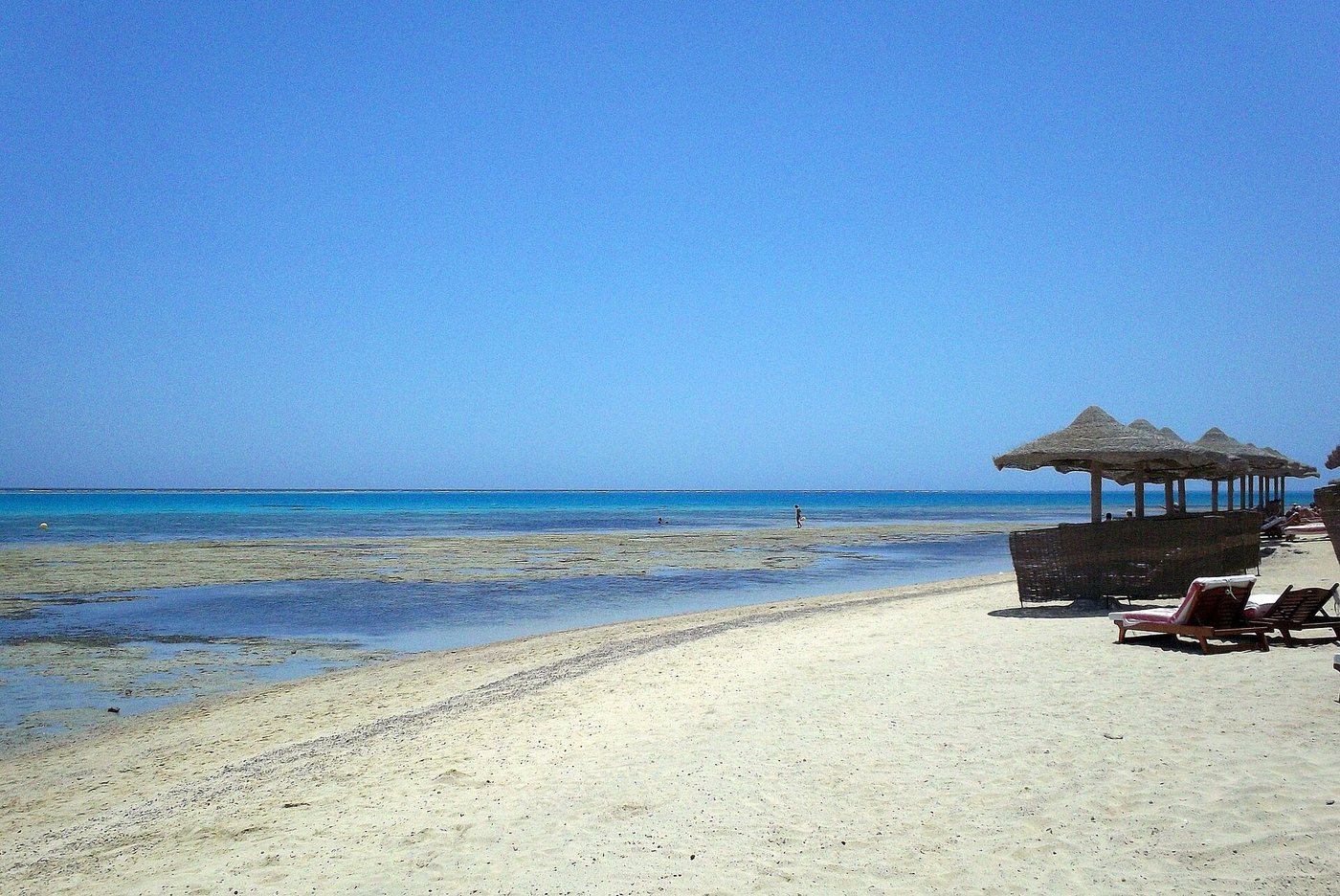 Marsa Alam day trips: the sea, the desert or Luxor?A boat day from Port Ghalib or Samadai, a sunset quad ride, or a long road day to Luxor: what each tour lists.
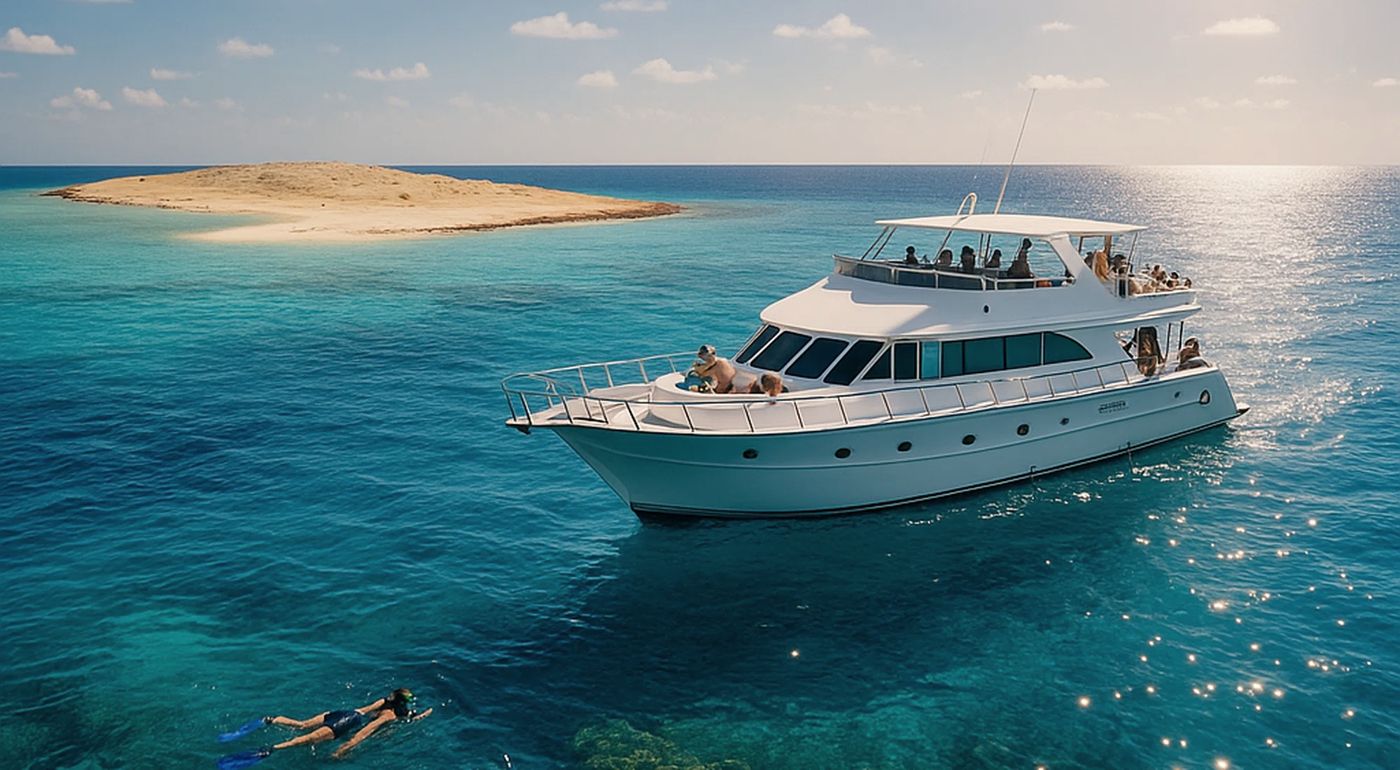 Giftun, Tiran or Port Ghalib: which sea day?Three boat days from three resorts, compared by boat, stops, lunch, gear and instructor.
 Egypt day tours by city: what you can do from each baseWhat you can do from each of our 8 bases, from the Giza pyramids to the Red Sea reefs.