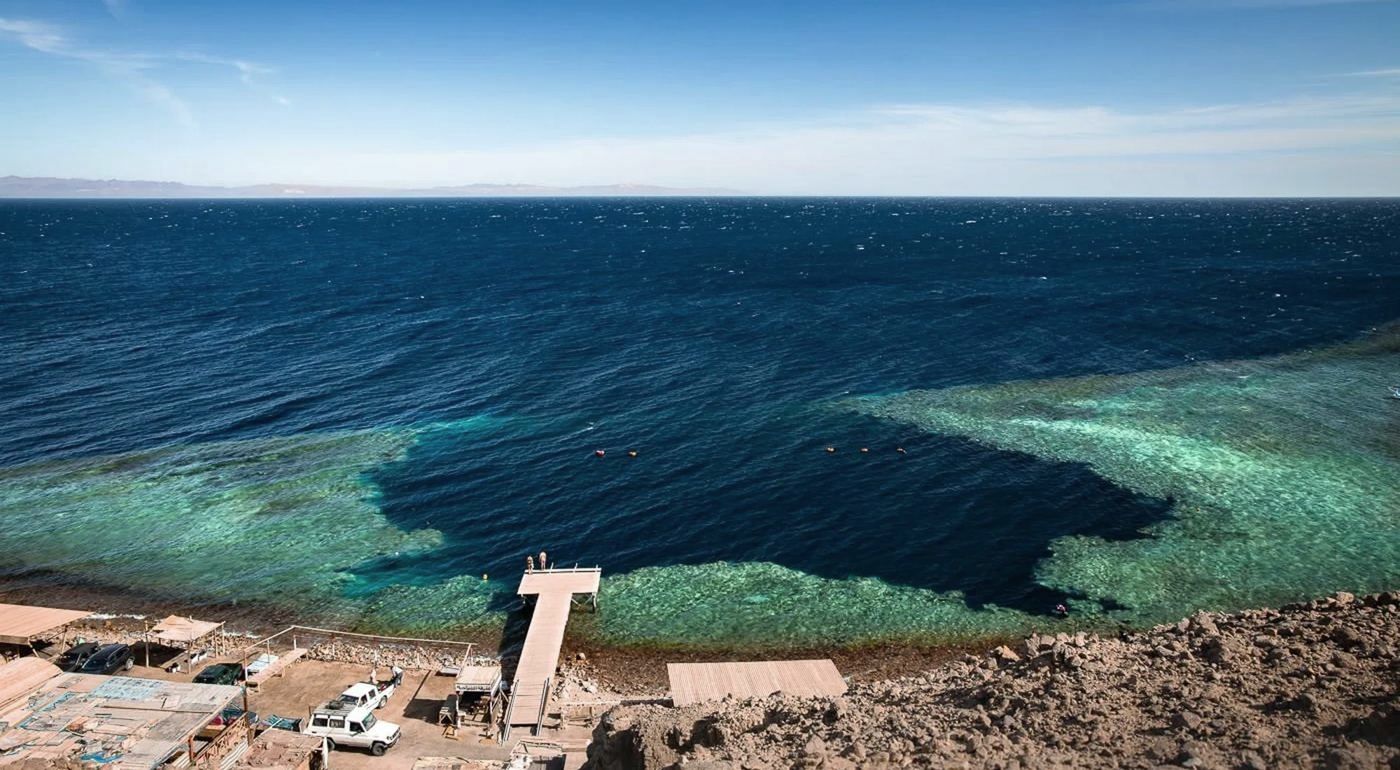
The hole in the reef
A deep blue pool ringed by reef on the Gulf of Aqaba shore. Snorkeling here is the first stop of our Dahab day, with the gear included.
Home / Attractions / Blue Hole
Dahab · Abu Galum protectorate, Dahab
A reef-ringed dive and snorkeling site on the Gulf of Aqaba coast at Dahab, inside the Abu Galum protectorate.
The Blue Hole is a dive and snorkeling site on the Gulf of Aqaba coast at Dahab, in South Sinai. It lies inside the Abu Galum protectorate, declared in 1992 and covering 425.7 km², and Egypt's environment minister calls it one of the most important diving sites in the world.
The Gulf of Aqaba is part of the East African Rift System and lies in a cleft between hills that rise abruptly to about 2,000 feet (600 meters); Dahab is the only sheltered harbor along it. To protect the Blue Hole's reefs, the environment ministry has ordered a plan to develop services there, a waste system for the protectorate and electronic payment of the entry fee.
Snorkeling at the Blue Hole is one of our Dahab day tours.
A deep blue pool ringed by reef on the Gulf of Aqaba shore. Snorkeling here is the first stop of our Dahab day, with the gear included.
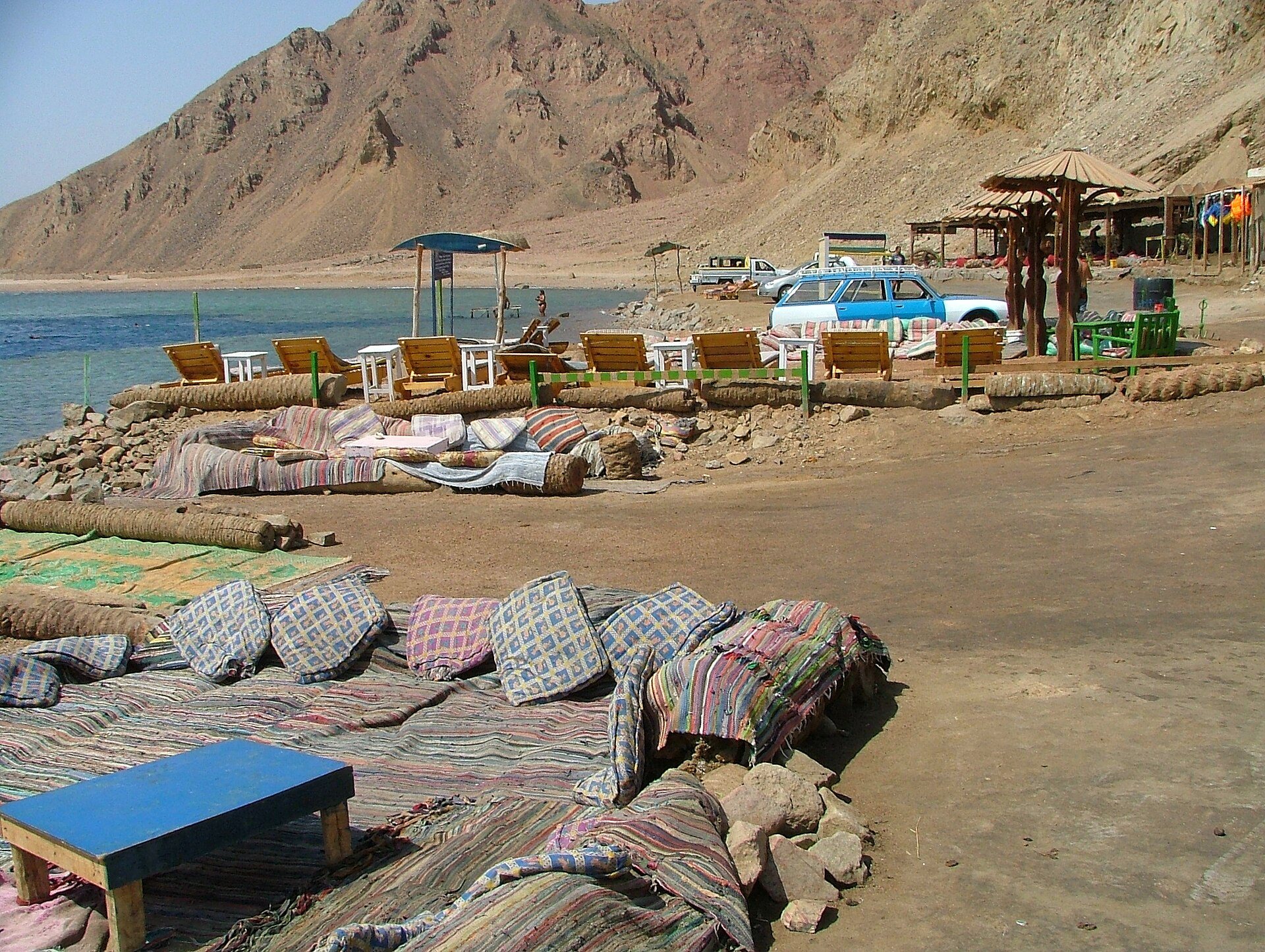
The ministry's measures at the Blue Hole aim to keep irresponsible activities by visiting groups off its coral reefs.
The Blue Hole is a roughly circular sinkhole in the fringing reef on the coast north of Dahab town. Inside the hole the walls drop straight down into deep blue water, and on the seaward side a shallow reef shelf known as the saddle separates it from the open Gulf of Aqaba.
The saddle is a coral garden in shallow water, and the fish life on it and along the inner rim is dense. Visibility is usually excellent, so a snorkeler at the surface looks straight down a coral wall into the blue, a far stranger sight than any photograph suggests.
Once you are over the hole there is no bottom to stand on, so this is deep open water for a swimmer. Afternoon wind and current can push snorkelers out across the saddle toward the open sea, and that is the most common way people get into trouble here.
Wear a wetsuit or a flotation aid if you are not a strong swimmer, never swim alone, keep the rim in sight, and enter and leave the water only at the marked points. Get out when the wind picks up; mornings are usually calmer and clearer.
The rim is a strip of rock lined with Bedouin-run camps and cafés offering cushions, shade, tea and fish lunches. It is a relaxed place to rest between swims.
Memorial plaques on the cliff above remember people who have died in the water here. They are worth reading before you swim: the sea at the Blue Hole is deep, and its wind and current deserve respect.
The entry is over sharp rock and there is no shade in the water, where the sun reflects hard off the surface. Pack for sun and rock as much as for the swim.
North of the Blue Hole, the Abu Galum protected area is reached by camel or by boat, with untouched reef and Bedouin camps along the shore. Further north again lies the Blue Lagoon, a shallow bay popular with kitesurfers and worth an overnight stay.
| From Dahab hotels | 9.7 km · about 14 min |
|---|
Without traffic, from our tours' map routing
On our Dahab day you snorkel at the Blue Hole first, with the gear included, then drive 9.7 km into the desert for a quad bike ride and a camel ride before the transfer back to your hotel. Transport is a private air-conditioned vehicle with a guide (English, Spanish, Italian or Portuguese); lunch is optional and not included.
Yes. The Blue Hole is on the coast at Dahab, inside the Abu Galum protectorate in South Sinai, and Egypt's environment minister calls it one of the most important diving sites in the world.
The Sinai coast is known for it: clear water and extensive coral reefs made Sharm El Sheikh a popular site for snorkeling and scuba diving, and Egypt's environment ministry ranks the Blue Hole among the most important diving sites in the world.
By road from Sharm El Sheikh: 99.7 km, about 85 minutes without traffic on our tours' routing. Our Cairo-by-plane day from Dahab flies from Sharm El Sheikh.
Yes. Snorkeling at the Blue Hole is the first stop on our Dahab day, 9.7 km from your hotel, and the gear is included.
The Blue Hole is inside the Abu Galum protectorate, whose entry fees are collected electronically. The ministry's pages do not publish the current fee.
Yes. Most visitors come to snorkel and the entry from the rock is easy, but the water is deep, so weaker swimmers should wear a wetsuit or a flotation aid and stay close to the rim.
Not if you respect the conditions. There is nowhere to stand once you are over the deep water, and the surface can get choppy when the wind rises, so swim with someone and stay near the reef edge.
Morning. The water is usually calmer and clearer then, and the wind tends to build in the afternoon.
Yes, on the rim. Bedouin-run camps and cafés offer cushions, shade, tea and fish lunches.
The coral wall falling away into the blue, dense reef fish over the saddle and along the inner rim, and usually excellent visibility.
Sources: Egyptian Environmental Affairs Agency; Encyclopaedia Britannica; UNESCO World Heritage Centre; UK Foreign, Commonwealth & Development Office.
Day tours
Nearby
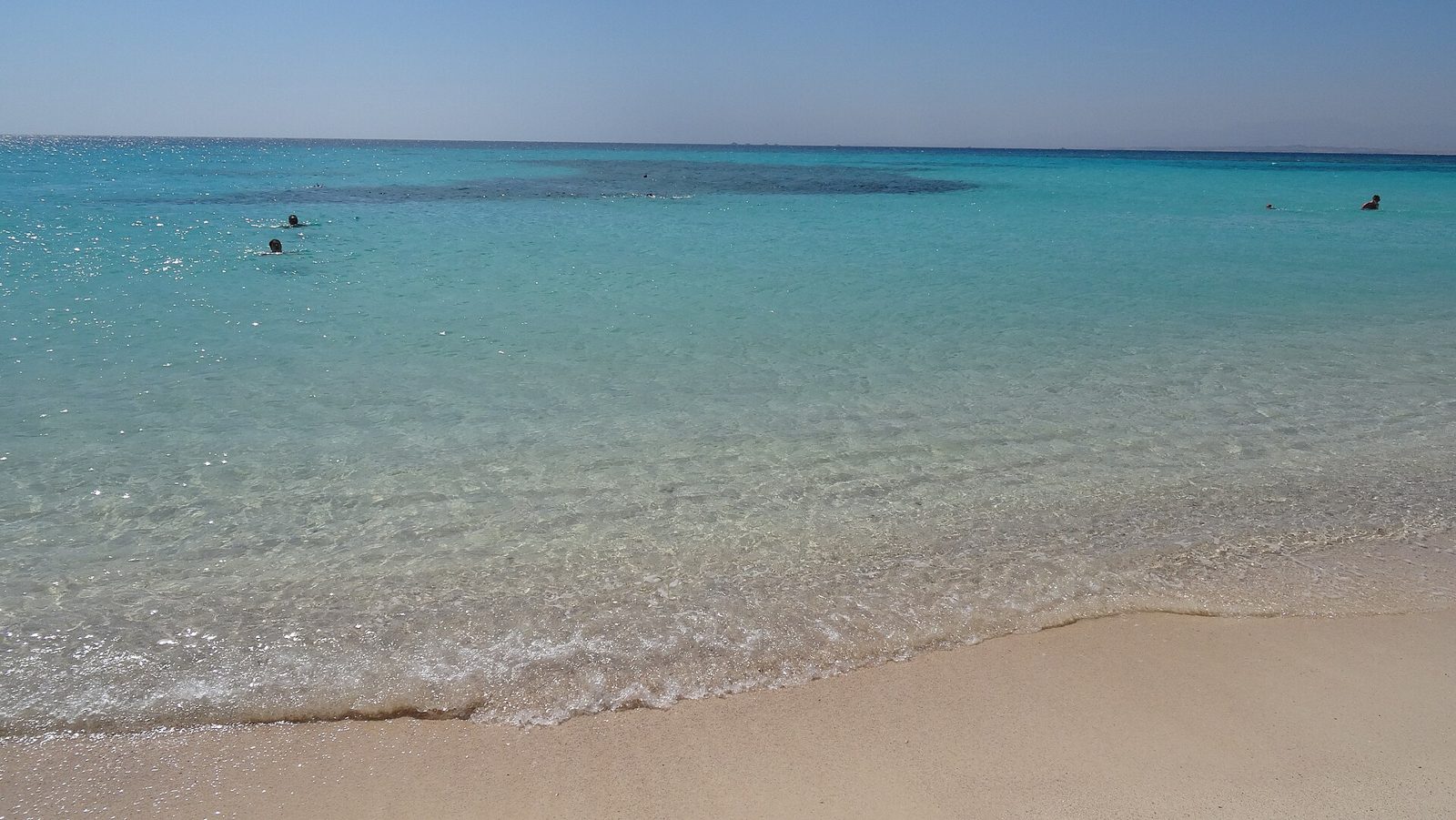 Red Sea, off HurghadaGiftun IslandThe reef island off Hurghada inside the Red Sea protectorates: snorkeling, the beach and the rules.On our tour: Full day at sea
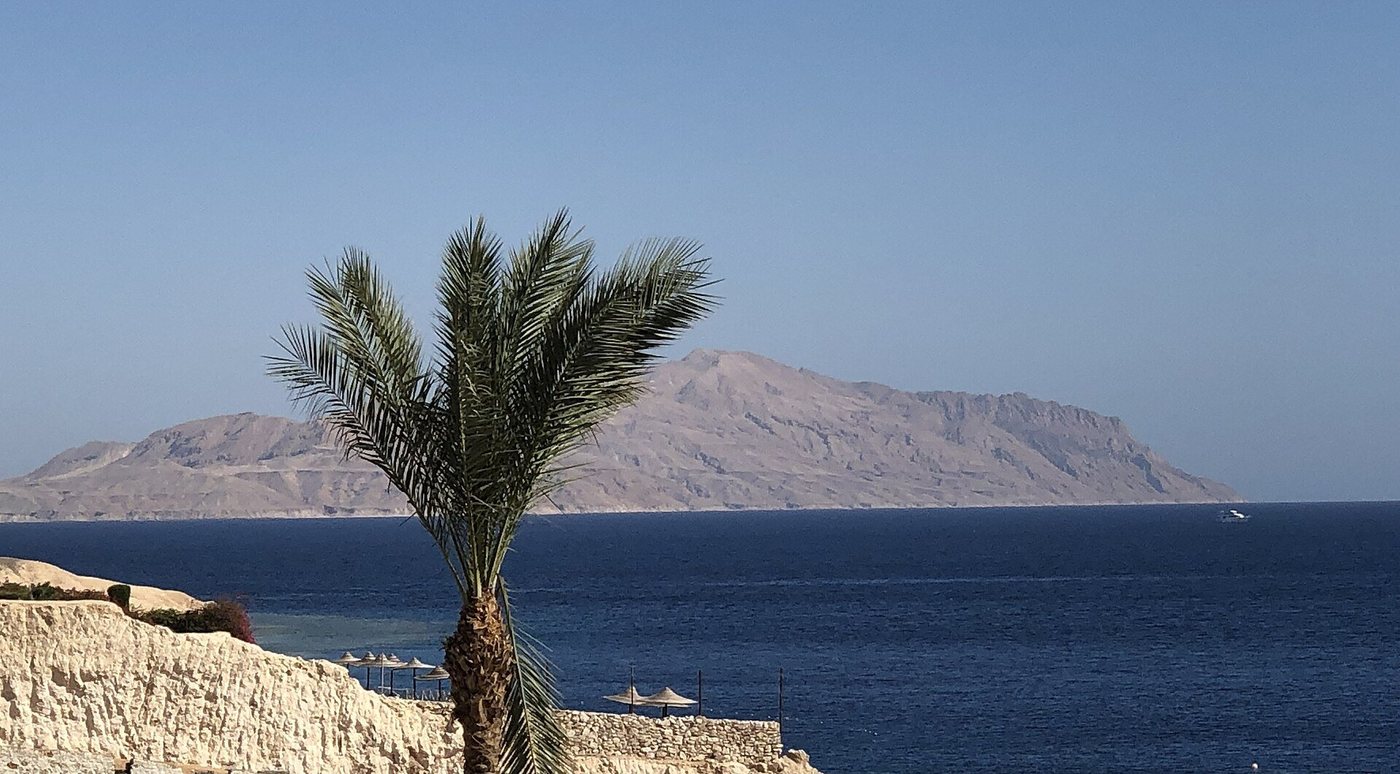 Strait of Tiran, Gulf of AqabaTiran IslandThe island and coral reefs at the entrance to the Gulf of Aqaba, northeast of Sharm El Sheikh.On our tour: Day at sea, lunch on board
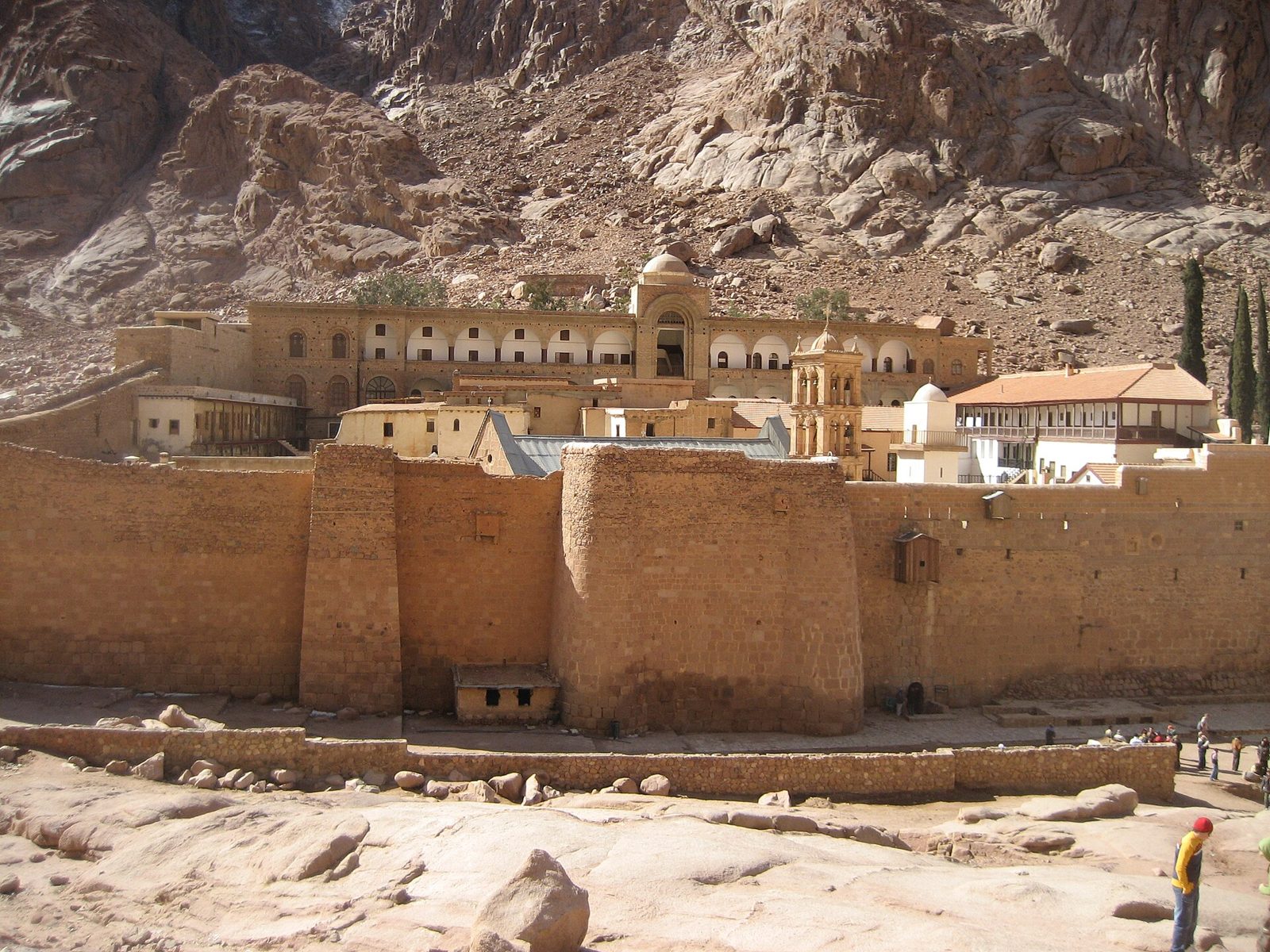 St Catherine, South Sinai mountainsSt Catherine's MonasteryThe 6th-century monastery at the foot of Mount Sinai: history, hours and the sunrise climb.Monastery open: 9:00 am to 11:30 am · closed Fri & Sun
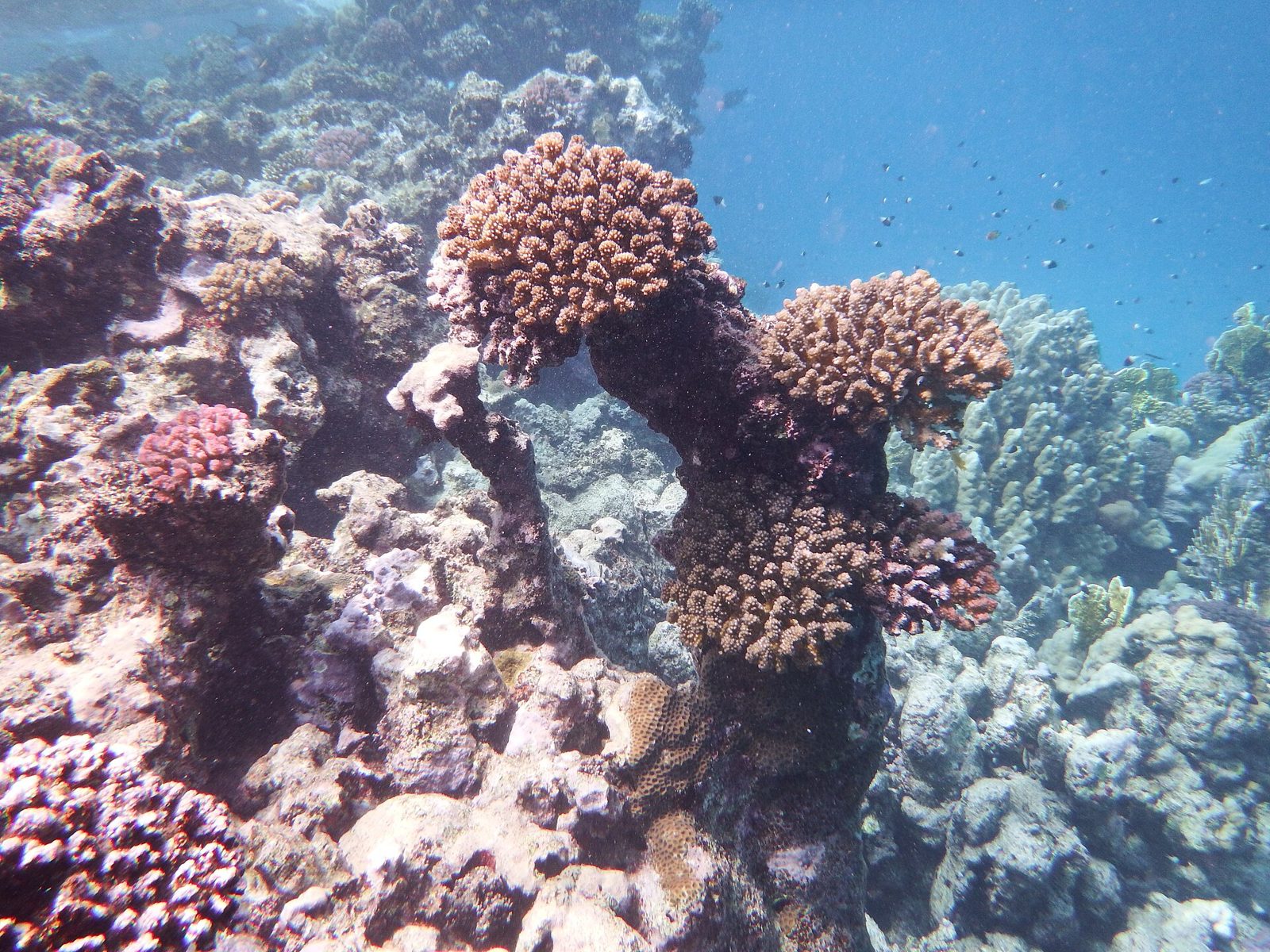 Red Sea coast, Marsa AlamPort Ghalib and Marsa MubarakThe Marsa Alam marina where snorkeling boats leave for Marsa Shona and the Marsa Mubarak lagoon.On our tour: Day at sea, lunch on board