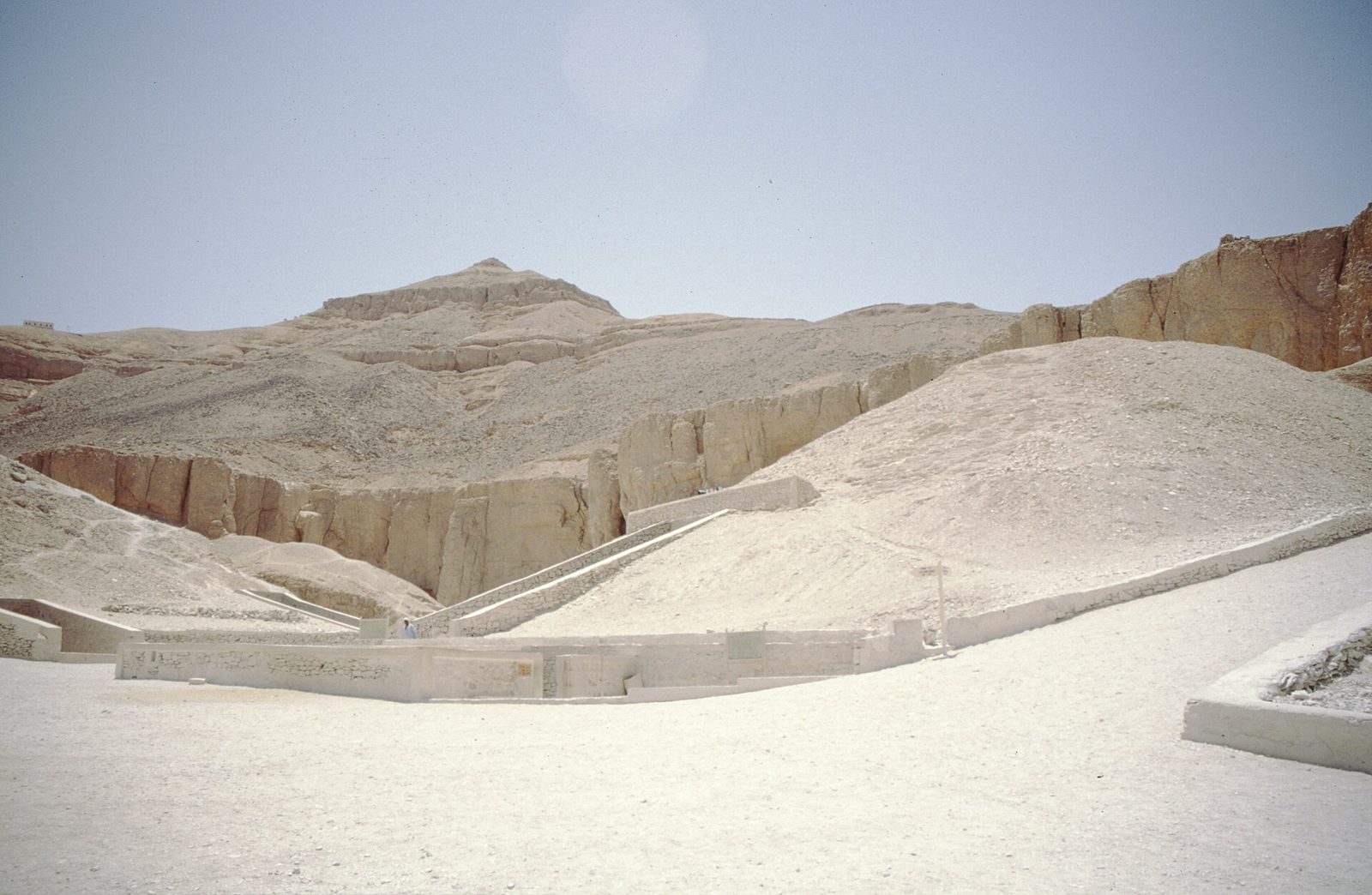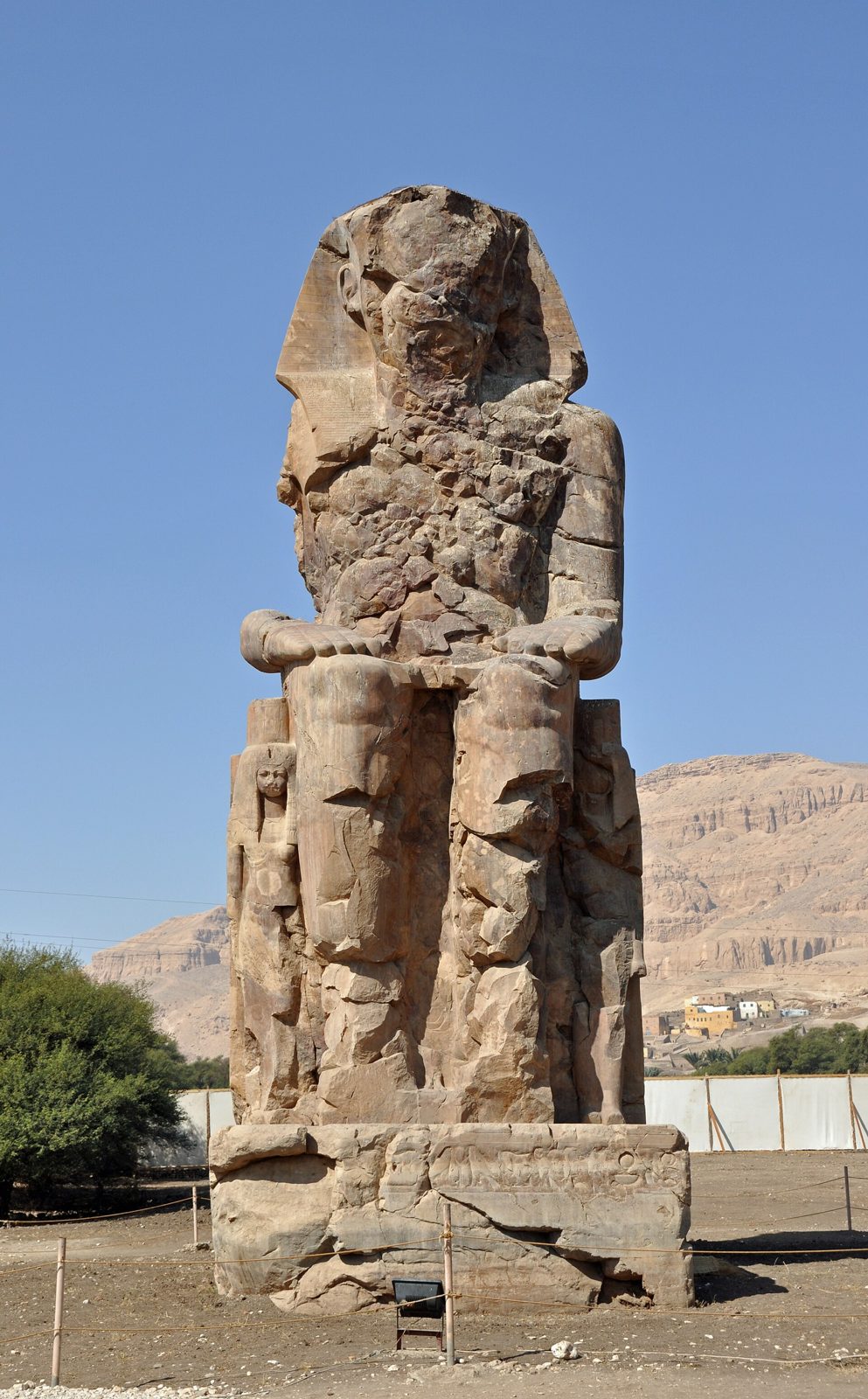
The Colossi of Memnon
Two quartzite statues of Amenhotep III, each hewn from a single block and about 70 feet (21 meters) high with their crowns, now sitting in a field where his temple once stood.
Home / Attractions / Colossi of Memnon, Medinet Habu and Deir el-Medina
Luxor · Theban West Bank
Three stops on Luxor's West Bank: the giant statues of Amenhotep III, the mortuary temple of Ramses III, and the village of the craftsmen who cut the royal tombs.
Three sites on the west bank of the Nile at Luxor, in the necropolis of ancient Thebes. The Colossi of Memnon are two giant statues of Amenhotep III that once flanked the gateway of his mortuary temple. Medinet Habu is the mortuary temple of Ramses III, the latest and most southerly of the great New Kingdom mortuary temples. Deir el-Medina is the village of the craftsmen who worked on the royal tombs.
All three date from the New Kingdom, c. 1539–1075 BCE, and show two sides of Thebes: royal temples built for the cult of a dead king, and the houses, tombs and temples of the workers. They are part of Ancient Thebes with its Necropolis, inscribed by UNESCO in 1979.
Two quartzite statues of Amenhotep III, each hewn from a single block and about 70 feet (21 meters) high with their crowns, now sitting in a field where his temple once stood.
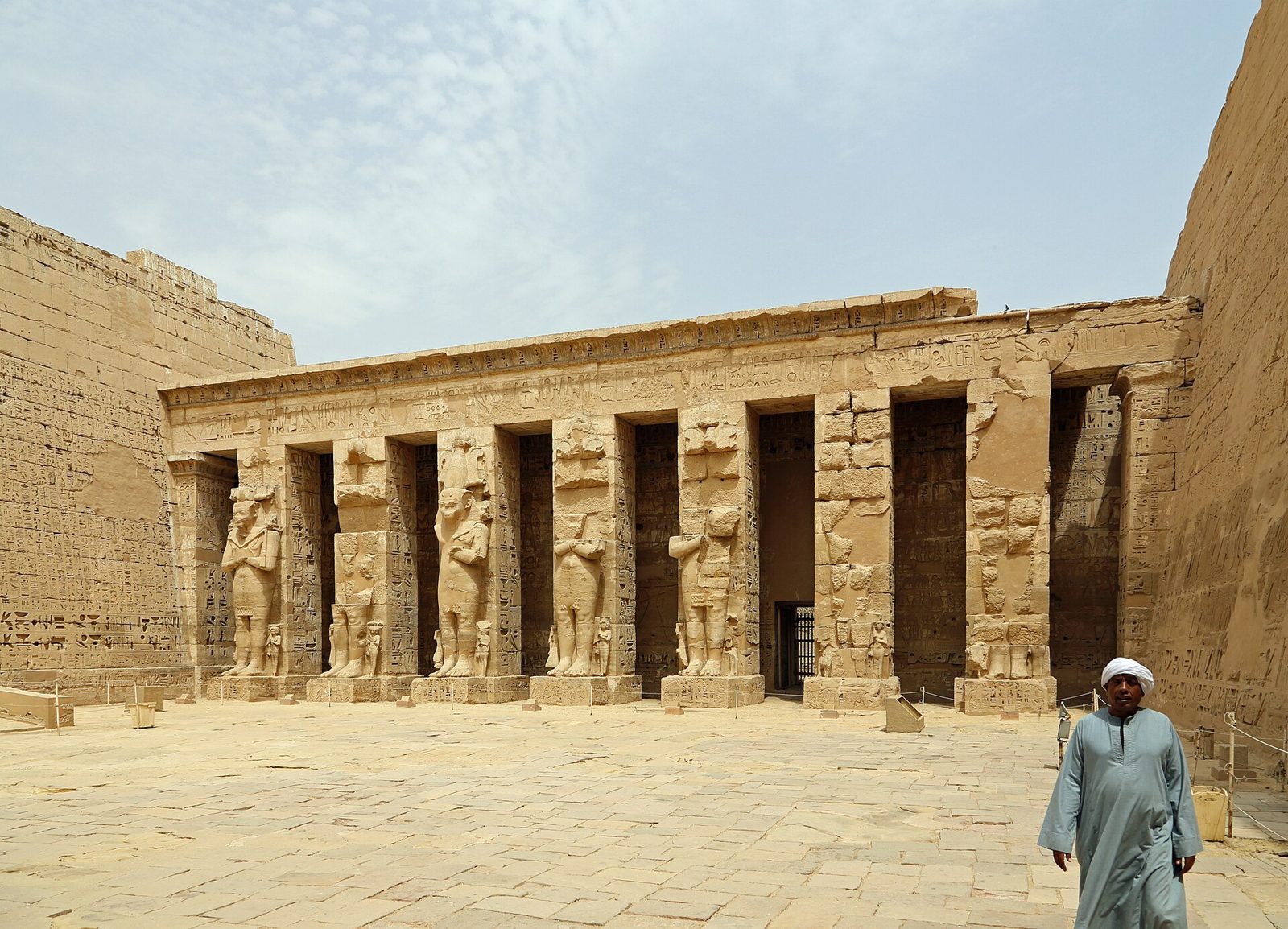
Behind a high gate built like a fortress and mud-brick walls: two pylons and courts, pillars carved as Ramses III in the form of Osiris, and the remains of a palace.
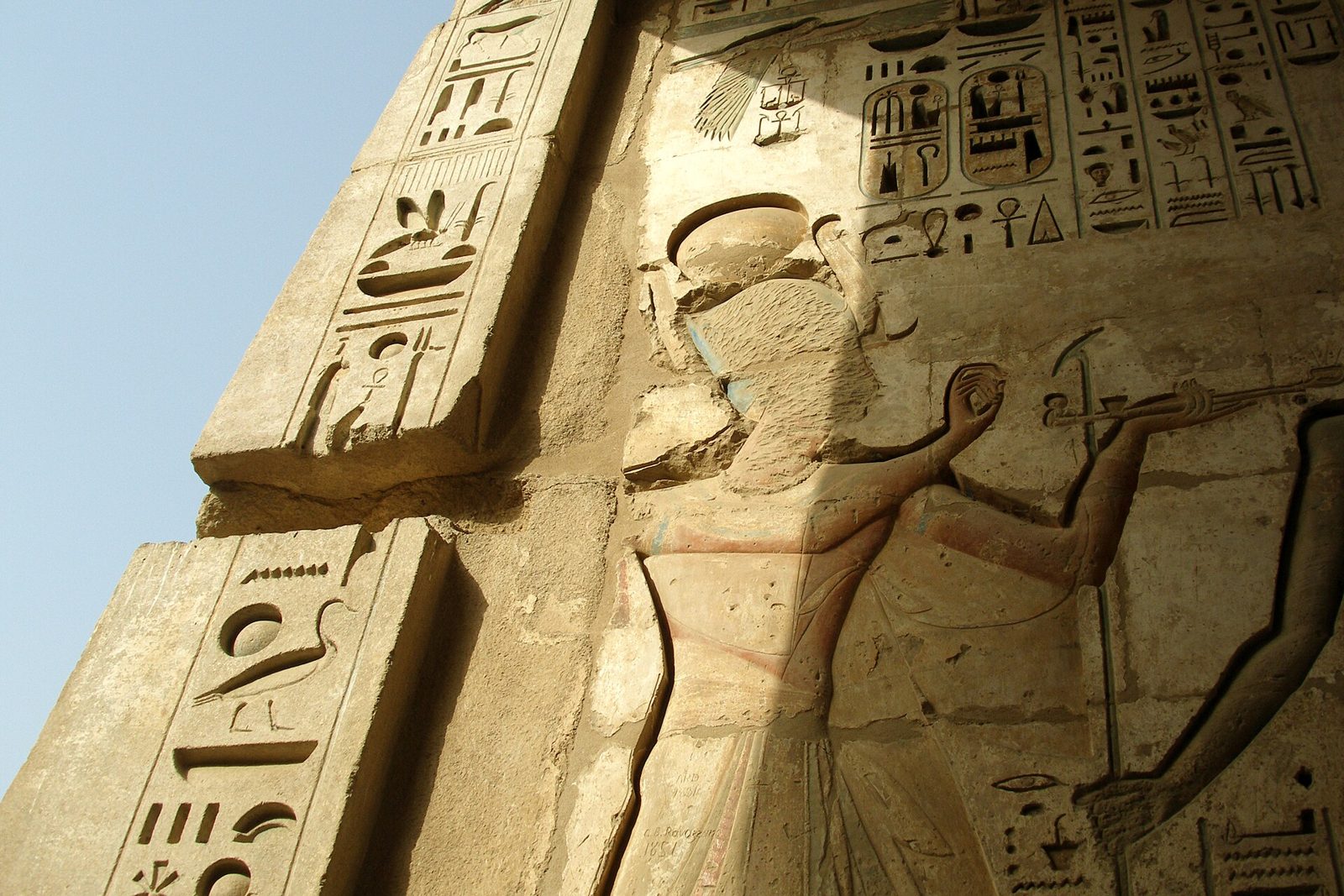
Inside, scenes show the king before the gods; outside, his Libyan campaigns, a great sea battle with the Sea Peoples, and on the great pylon a hunt for wild cattle in the marshes.
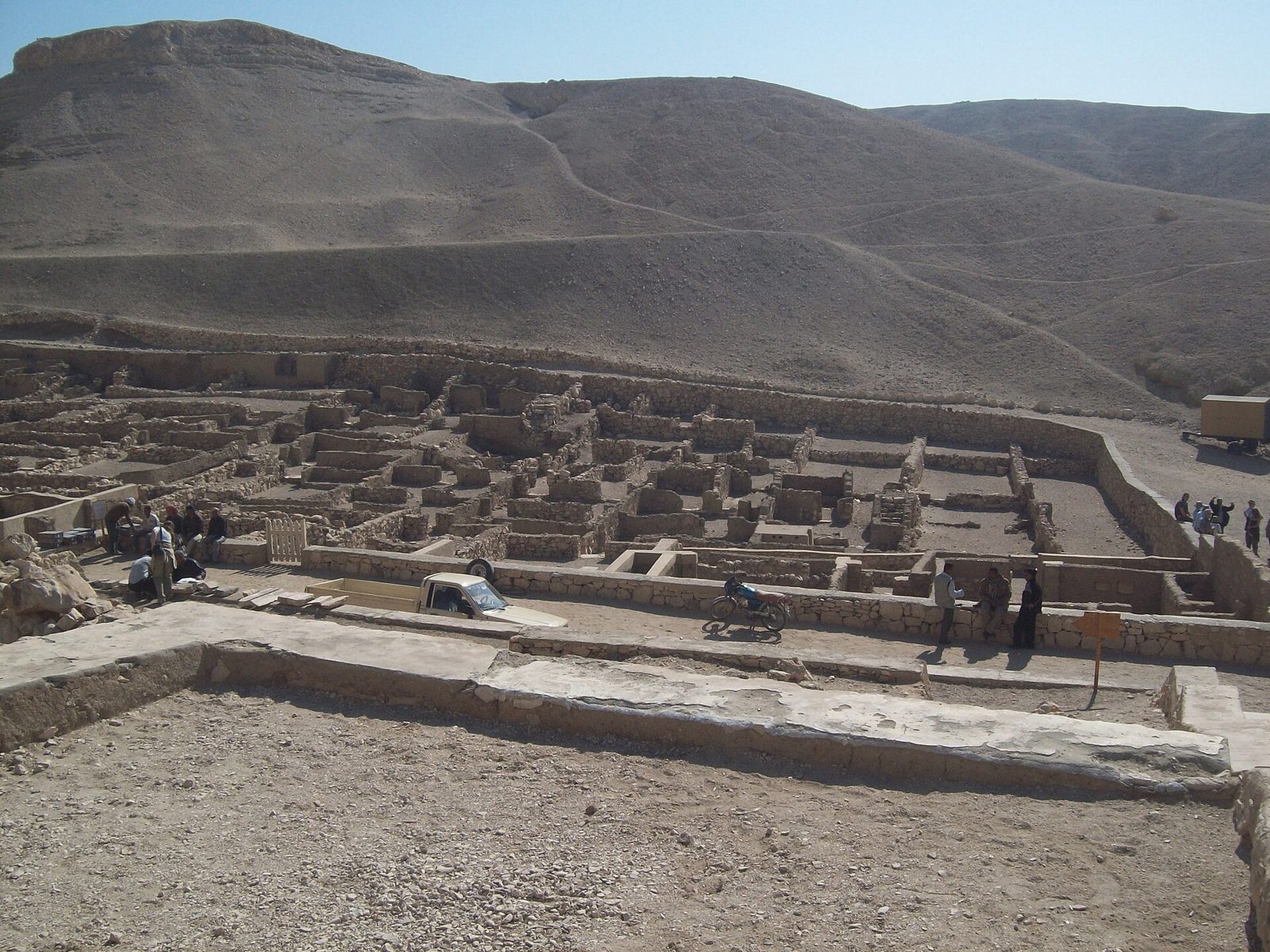
The walls of the workers' houses, with the tombs of the artisans and three temples built for the workers' use.
| Medinet Habu, summer | 6:00 am · last entry 5:00 pm |
|---|---|
| Medinet Habu, winter and Ramadan | 6:00 am · last entry 4:00 pm |
The Ministry's monuments website gives 6:00 am to 5:00 pm daily for Medinet Habu. We have no checked hours for Deir el-Medina; the Colossi of Memnon stand in an open field.
Ministry of Tourism and Antiquities ticketing portal, checked August 2026
| Adult | Student | |
| Medinet Habu (ticketing portal) | EGP 220 | EGP 110 |
| Medinet Habu (Ministry website) | EGP 230 | EGP 110 |
Prices in Egyptian pounds, as of August 2026
| Luxor hotels to the Colossi | 14.9 km · about 18 min |
|---|---|
| Deir el-Medina back to Luxor hotels | 15.4 km · about 19 min |
Without traffic, from our tours' map routing
Our Luxor West Bank tours start at the Colossi of Memnon. Our full-day West Bank tour then visits Hatshepsut Temple and the Valley of the Kings, and after lunch drives 8.3 km, about 18 minutes, to Medinet Habu and 1.9 km on to Deir el-Medina; entry to the mentioned sites is included. Day trips from Aswan, Marsa Alam and Sharm El Sheikh also stop at the Colossi.
The coolest months are December to February.
World Meteorological Organization climate normals (monthly averages, not forecasts)
Two giant quartzite statues of Amenhotep III, about 70 feet (21 meters) high with their crowns, that flanked the gateway of his mortuary temple. The name Memnon is of later Greek origin.
After an earthquake cracked the northern statue, on certain days it gave a high note shortly after sunrise. It never sang again after it was patched with masonry in Roman times.
The mortuary temple of Ramses III, who reigned 1187–56 BCE, and the latest of the great New Kingdom mortuary temples of Thebes. Apart from its partly ruined hypostyle hall it is well preserved.
The craftsmen who cut and decorated the royal tombs, especially those in the nearby Valley of the Kings. Their own tombs and three temples built for their use are on the site.
The Ministry's ticketing portal charges EGP 220 for foreign adults; its monuments website lists EGP 230. Foreign students pay EGP 110.
Sources: Encyclopaedia Britannica; Egypt's Ministry of Tourism and Antiquities; UNESCO World Heritage Centre; World Meteorological Organization.
Day tours
Guides
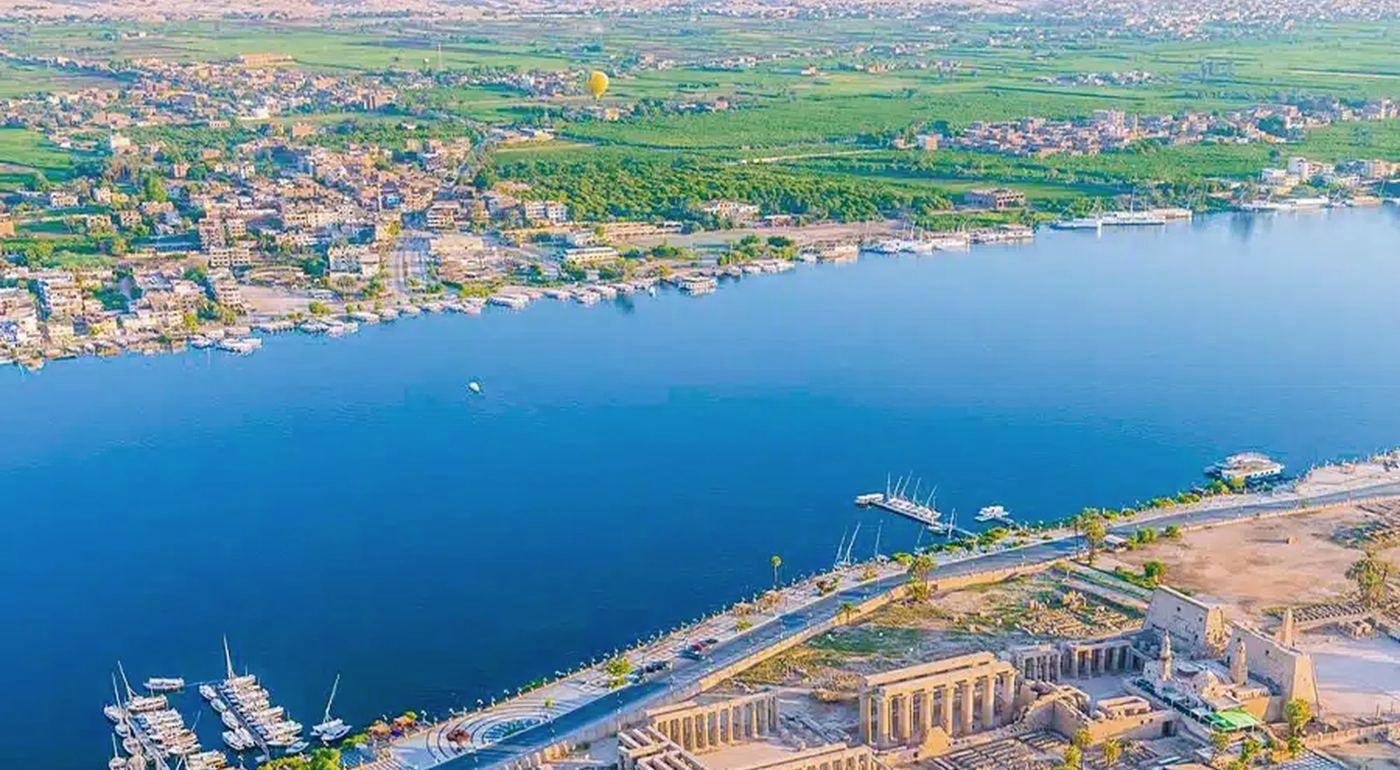 West Bank or East Bank: how to split a Luxor dayWhich sites sit on each bank of the Nile, and how our Luxor day tours divide them.
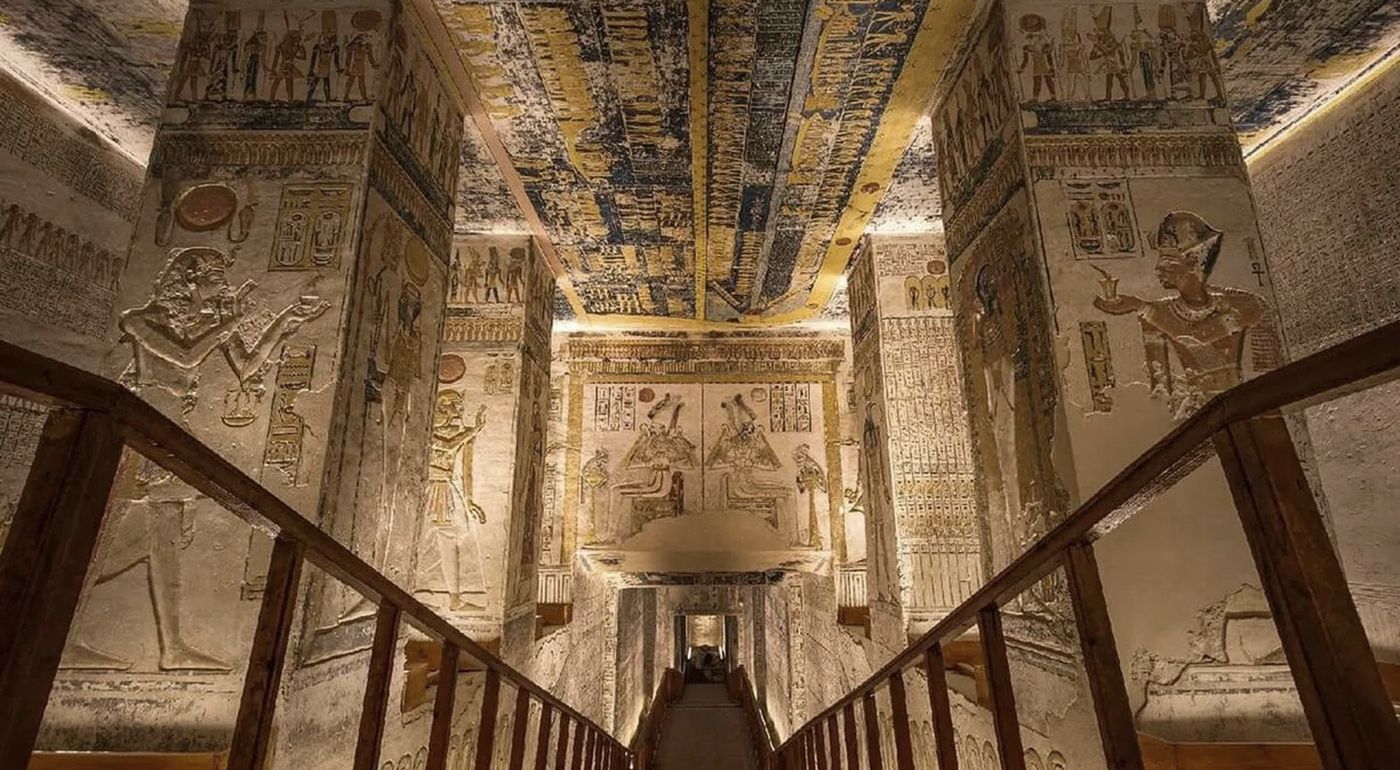 Valley of the Kings: tickets and tombs for a day visitThe general ticket, the tomb tickets our tours leave out, and where the valley falls in each day.
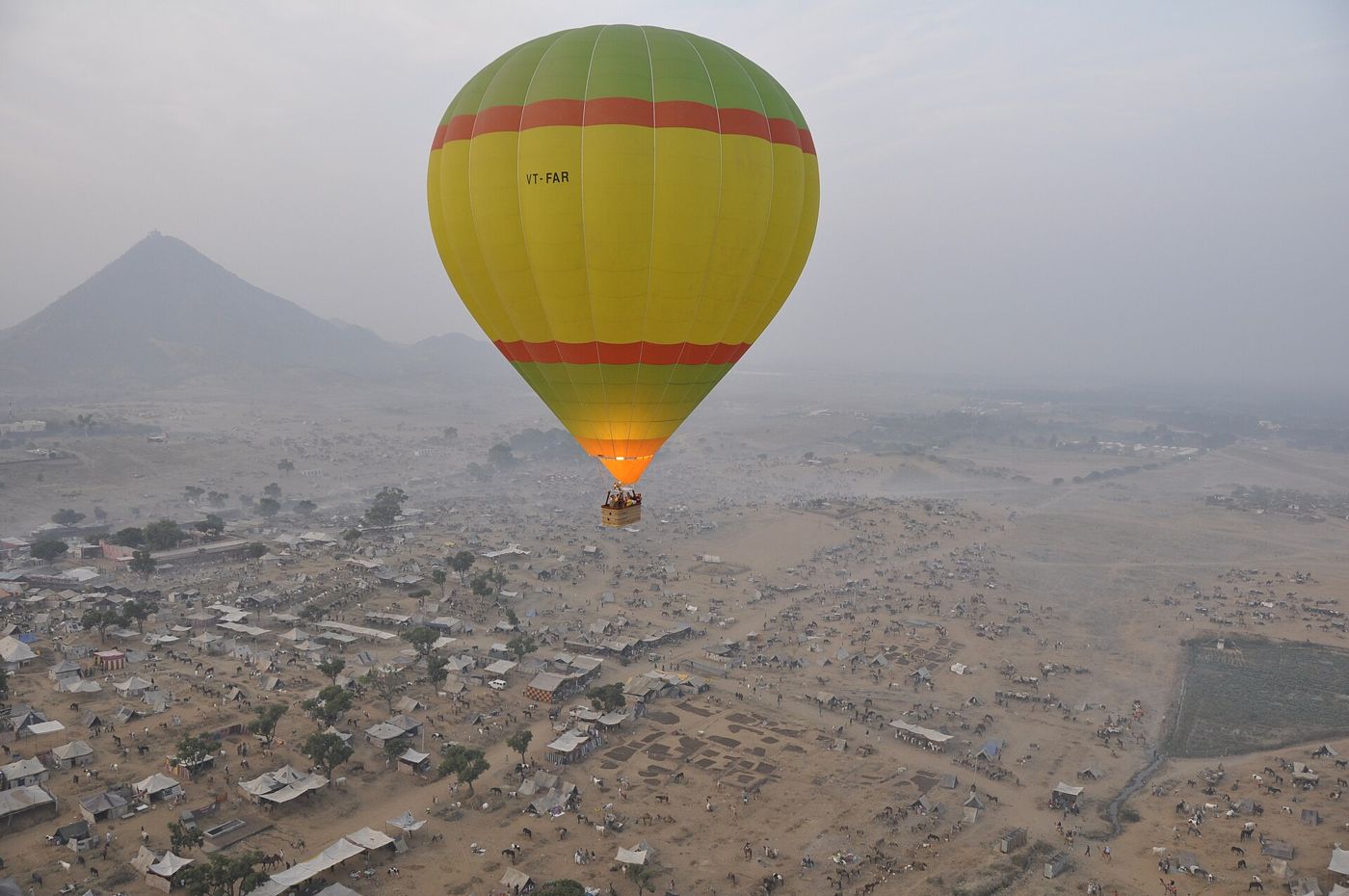 Luxor hot-air balloon: what the morning looks likePickup before sunrise, the ferry, the flight over the West Bank, what is included and how cold it gets.